Shelf Life and Stability of Water Soluble Film
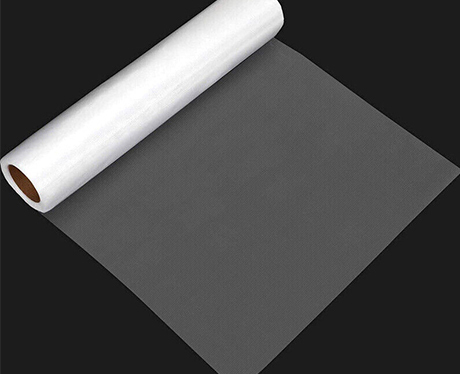
Water soluble films are an innovative and versatile material widely used across industries such as packaging, pharmaceuticals, healthcare, agriculture, and industrial cleaning. Made primarily from polyvinyl alcohol (PVA), these films dissolve completely in water, leaving no harmful residues behind. While their unique properties offer significant advantages in terms of convenience and eco-friendliness, ensuring their shelf life and stability is critical to maintain performance and reliability. Understanding the factors that influence film stability helps manufacturers, distributors, and end users handle these products effectively.
Shelf life and stability of water soluble films depend on several factors, including storage conditions, handling practices, film composition, and environmental exposure. A leading supplier in this sector, Polyva, offers high-quality water soluble films designed to maintain consistent performance over time. Proper management of these films, from production to end use, ensures that they retain their intended mechanical strength, dissolution characteristics, and safety features throughout their lifespan.
Factors Affecting Shelf Life
The shelf life of water soluble films is primarily influenced by environmental factors such as temperature, humidity, and light exposure. Films are highly sensitive to moisture, as excessive humidity can cause partial dissolution, stickiness, or deformation. Similarly, exposure to high temperatures can reduce mechanical strength and make the films brittle or warped. Direct sunlight can degrade the polymer structure over time, resulting in diminished performance.
In addition to environmental conditions, the chemical composition of the film plays a crucial role in stability. The molecular weight of the PVA, degree of hydrolysis, and presence of additives such as plasticizers or stabilizers determine the film’s resistance to degradation. Higher molecular weight and optimized polymer formulation enhance tensile strength and extend shelf life, while appropriate additives improve flexibility and prevent brittleness.
Recommended Storage Conditions
Maintaining proper storage conditions is essential to maximize the shelf life and stability of water soluble films. Ideal storage involves a controlled environment with temperatures typically ranging between 15°C and 25°C and relative humidity below 50 percent. Storage areas should be cool, dry, and away from direct sunlight or heat sources. Using sealed packaging, moisture-absorbing materials, and climate-controlled storage rooms helps protect films from environmental factors that can compromise performance.
It is also advisable to avoid stacking heavy objects on top of stored films, as physical pressure can lead to deformation or premature tearing. Regular monitoring of temperature and humidity levels ensures long-term stability and prevents inadvertent exposure to conditions that may reduce the shelf life of the films.
Handling Practices for Stability
Proper handling is equally important to maintain the integrity of water soluble films. Employees should wear clean, dry gloves to prevent moisture, oils, or dirt from coming into contact with the films. Handling should be gentle to avoid bending, folding, or stretching, which could weaken the material. Films should be transported in sealed containers or moisture-resistant packaging to minimize the risk of accidental exposure to water or high humidity during transit.
Using first-in, first-out (FIFO) inventory management is recommended to ensure older stock is used before newer batches. This practice reduces the likelihood of films remaining in storage for extended periods, which could lead to degradation or reduced performance.
Indicators of Degradation
Recognizing signs of degradation is important for quality control and maintaining product reliability. Common indicators include changes in color, texture, or flexibility, as well as sticky surfaces or cracks. Films that show these signs may no longer perform as intended and should be inspected before use. Regular visual inspections and routine quality testing help identify compromised films early, ensuring safety and effectiveness for end applications.
Maximizing Shelf Life and Stability
To maximize the shelf life and stability of water soluble films, manufacturers and users should focus on proper production, storage, and handling practices. This includes optimizing polymer composition, incorporating suitable stabilizers or plasticizers, storing films under controlled conditions, and minimizing physical stress during handling. Adhering to these best practices ensures that films retain their mechanical strength, dissolution characteristics, and safety properties throughout their intended shelf life.
Conclusion
Shelf life and stability are critical factors for ensuring the reliability and effectiveness of water soluble films. Environmental conditions, film composition, storage practices, and handling procedures all play a significant role in determining how long the films maintain their intended performance. Brands like Polyva provide high-quality water soluble films engineered for consistent stability and long shelf life, making them suitable for a wide range of industrial and consumer applications. By understanding the factors that affect film stability and following recommended practices, manufacturers and users can maximize the benefits of water soluble films while maintaining safety, convenience, and eco-friendliness.




Post Comment