Understanding Melee Diamonds: Sizes, Quality, and Common Uses in Jewelry
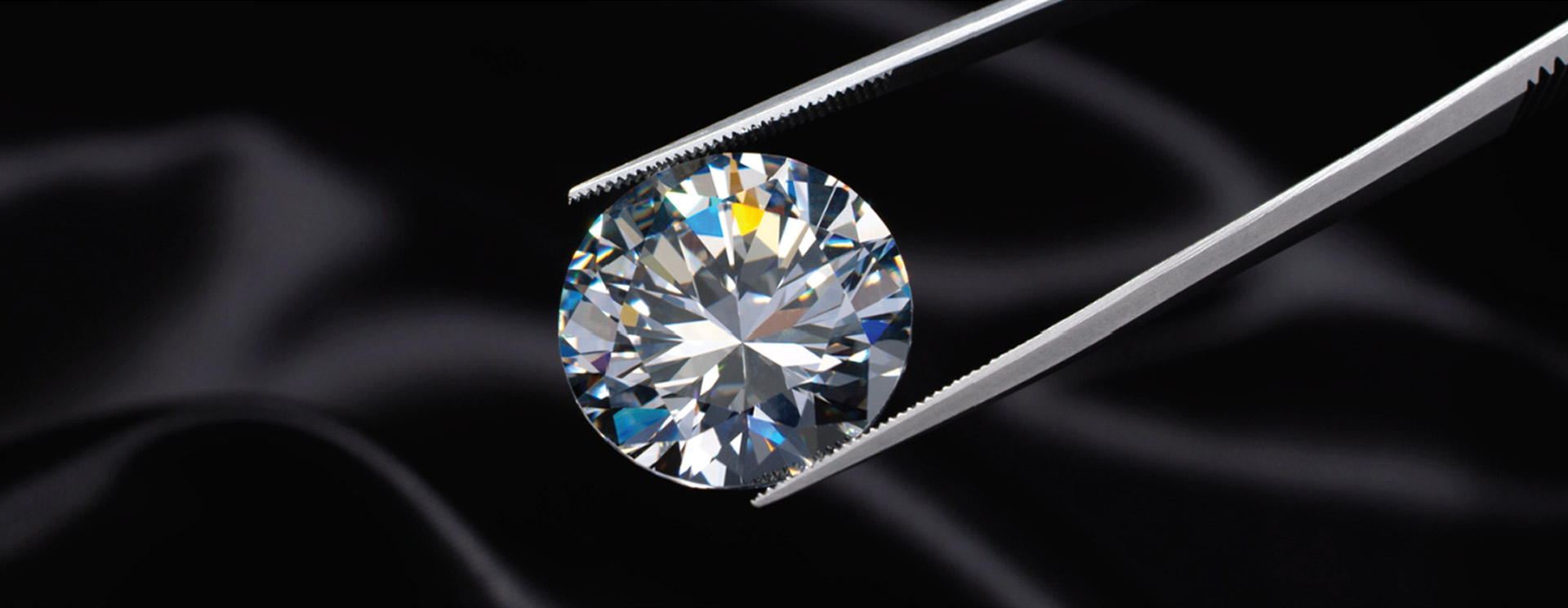
Melee diamonds are among the most important yet least noticed components in fine jewelry design. These tiny diamonds are widely used to enhance brilliance, add detail, and create visual complexity in rings, necklaces, earrings, and luxury pieces. While they are small in size compared to center stones, their collective sparkle can dramatically influence the overall appearance of a jewelry item. Jewelers rely on them to frame larger diamonds, fill intricate patterns, and elevate the craftsmanship of a piece. Despite their size, they play a significant role in defining the beauty and value of many designs.
Melee diamonds are typically defined as small diamonds that weigh less than 0.20 carats each. They are usually not used as center stones but are instead grouped together to create a continuous shimmer effect. In the diamond industry, consistency in cut, color, and clarity is especially important for these stones because they are often set in large quantities. Many buyers exploring fine jewelry come across the term Melee Diamonds when researching accent stones used in engagement rings and luxury designs, as these small diamonds are essential in achieving a polished and radiant finish. Their uniform appearance ensures that the overall jewelry design looks seamless and balanced rather than uneven or distracting.
Table of Contents
ToggleSizes of Melee Diamonds
Melee diamonds are not uniform in a single fixed size; instead, they are categorized into a range of very small measurements. Common sizes start from as small as 0.001 carats and can go up to around 0.18–0.20 carats. These are often referred to in millimeter measurements rather than carat weight because of their tiny scale. For example, a 1.0 mm diamond is extremely small and may be used in pavé settings, while a 2.0 mm melee diamond is slightly larger and can still be considered an accent stone.
The size of melee diamonds used in jewelry depends on the design requirements. Smaller stones are often used in intricate pavé work, while slightly larger melee diamonds may be used in halo settings or to frame a central gemstone. Jewelers carefully select sizes to maintain symmetry and ensure that light reflection is evenly distributed across the piece.
Quality Factors in Melee Diamonds
Although melee diamonds are small, their quality still significantly impacts the overall appearance of jewelry. The primary quality factors include cut, color, and clarity. Cut is especially important because well-proportioned facets allow maximum light reflection, even in tiny stones. Poorly cut melee diamonds can make a piece appear dull or uneven.
Color consistency is another crucial factor. Since melee diamonds are used in groups, even slight differences in color can become noticeable when viewed together. Most jewelers prefer near-colorless grades to ensure a uniform look. Clarity, while less visible in very small stones, still matters in high-end jewelry, where overall perfection is expected. Inconsistent clarity levels can affect the brilliance of the entire setting.
Common Uses in Jewelry Design
Melee diamonds are widely used across various types of jewelry, especially in designs where brilliance and detail are essential. One of their most popular applications is in pavé settings, where small diamonds are set closely together to create a continuous sparkling surface. This technique is often used in engagement rings, wedding bands, and luxury bracelets.
They are also commonly used in halo settings, where melee diamonds surround a central gemstone to enhance its size and brilliance. This design creates the illusion of a larger center stone while adding extra sparkle. In addition, melee diamonds are used in channel settings, micro-pavé designs, and intricate decorative patterns on high-end jewelry pieces.
Beyond rings, melee diamonds are frequently used in earrings and pendants to add subtle brilliance without overwhelming the main design. Their versatility allows designers to experiment with texture and light, making them an essential part of modern jewelry craftsmanship.
Conclusion
Melee diamonds may be small in size, but their impact on jewelry design is significant. From enhancing brilliance to providing structural detail, they are a foundational element in many luxury pieces. Understanding their sizes, quality standards, and uses helps buyers appreciate the craftsmanship behind fine jewelry. Whether used in pavé settings or halo designs, these tiny diamonds contribute to the elegance and sophistication that define high-quality jewelry.





Post Comment