Essential Engineering Elements in a Turn-key Clean Room Project
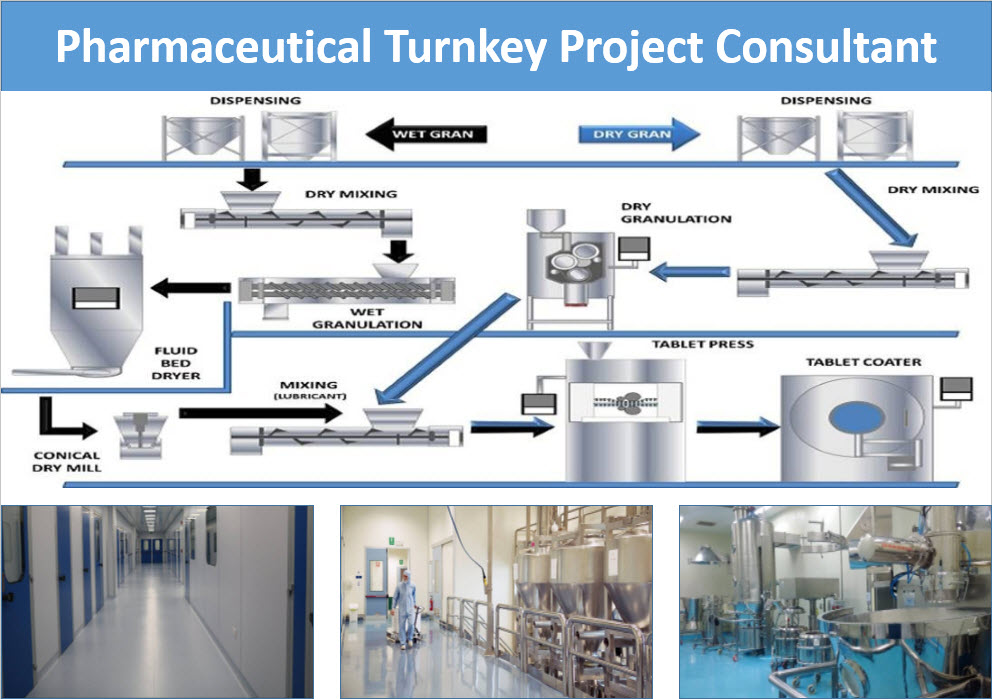
Cleanrooms are highly controlled environments designed to maintain strict limits on airborne particles, temperature, humidity, and pressure. They play a critical role in industries such as pharmaceuticals, biotechnology, semiconductor manufacturing, and medical devices, where even minor contamination can compromise product quality and regulatory compliance.
Because of the technical complexity involved, cleanroom development requires precise engineering across multiple systems. Instead of managing separate contractors for each discipline, many organizations now rely on integrated delivery models that streamline the entire process.
A Turn-key Project for Clean Room brings together all essential engineering elements under one coordinated system, ensuring that design, construction, and validation work seamlessly together from start to finish.
Table of Contents
ToggleHVAC System Design and Airflow Engineering
The HVAC system is the backbone of any cleanroom, responsible for maintaining air quality and environmental stability. In a turn-key project, HVAC design is carefully engineered to meet strict cleanliness requirements.
Key HVAC engineering components include:
- High-efficiency HEPA or ULPA filtration systems
- Controlled airflow patterns (laminar or turbulent as required)
- Temperature and humidity regulation systems
- Pressure cascade control between clean zones
Proper HVAC engineering ensures consistent environmental conditions and prevents contamination from entering critical production areas.
Cleanroom Layout and Contamination Control Design
Layout design plays a major role in controlling contamination risks and ensuring efficient workflow. Engineering teams carefully design spatial arrangements to separate clean and non-clean areas.
Key layout considerations include:
- Zoning based on cleanliness levels
- Separation of personnel and material flow paths
- Airlock and gowning room integration
- Equipment placement for optimized operations
This structured layout helps minimize cross-contamination and improves operational efficiency.
Structural and Modular Engineering Systems
Modern cleanrooms often use modular construction systems for flexibility, precision, and faster installation. Structural engineering ensures that all components fit together seamlessly while maintaining environmental integrity.
Key structural elements include:
- Prefabricated wall and ceiling panel systems
- Sealed joints to prevent particle leakage
- Aluminum or steel support frameworks
- Cleanroom-grade doors and viewing panels
These modular systems allow for scalability and easier future expansion.
Electrical and Utility Integration
A cleanroom requires stable and well-organized utility systems to support continuous operation. Electrical and utility engineering ensures that all systems function reliably without disrupting cleanroom conditions.
Important utility components include:
- Electrical distribution and backup power systems
- Compressed air supply networks
- Process water and purification systems (if required)
- Integrated cable management systems
Proper integration ensures operational stability and reduces downtime risks.
Advanced Air Filtration and Pressure Control Systems
Air quality control is one of the most critical engineering aspects of cleanroom design. Maintaining correct pressure differentials between zones prevents contamination from spreading.
Key engineering features include:
- Positive and negative pressure control systems
- Multi-stage filtration units
- Differential pressure monitoring sensors
- Controlled air return and exhaust systems
These systems work together to maintain a stable and contamination-free environment.
Environmental Monitoring and Automation Systems
Modern cleanrooms rely heavily on automation and monitoring systems to ensure real-time control and compliance. Engineering these systems correctly is essential for long-term performance.
Key monitoring elements include:
- Particle counting and air quality sensors
- Temperature and humidity monitoring systems
- Building Management Systems (BMS) integration
- Automated alarm and control functions
These systems allow operators to detect and respond to environmental changes immediately.
Material Selection and Surface Engineering
Material engineering is essential for maintaining cleanliness and durability in a controlled environment. All surfaces must be designed to minimize particle generation and support easy cleaning.
Common material considerations include:
- Anti-static and chemical-resistant flooring systems
- Non-porous wall and ceiling finishes
- Stainless steel fixtures and fittings
- Seamless, easy-to-clean surface designs
Proper material selection ensures long-term performance and compliance with industry standards.
Validation and Compliance Engineering
Validation is a critical engineering stage that ensures the cleanroom meets regulatory requirements and operational specifications. It confirms that all systems perform as designed.
Key validation processes include:
- Installation Qualification (IQ)
- Operational Qualification (OQ)
- Performance Qualification (PQ)
- Environmental and particle testing
This ensures full compliance with ISO standards and GMP regulations.
Conclusion
A successful cleanroom depends on the seamless integration of multiple engineering disciplines, including HVAC design, structural systems, electrical integration, airflow control, and validation processes. Each element must work together to create a stable and contamination-controlled environment.
By combining all these engineering components into a single coordinated system, a Turn-key Project for Clean Room ensures efficiency, compliance, and long-term operational reliability for industries that demand the highest standards of precision and control.






Post Comment