Colour Coating Line Troubleshooting and Common Operational Issues
In modern metal processing industries, stable production performance is essential for maintaining consistent product quality and operational efficiency. A colour coating line is a complex system that integrates mechanical, chemical, thermal, and automated processes. Because of this complexity, operational issues can occasionally occur, making troubleshooting and preventive management an important part of daily operations.
A modern colour coating line is designed with advanced control systems and monitoring technologies to minimize downtime and quickly detect faults. However, understanding common problems and their causes is essential for maintaining smooth and efficient production.
Table of Contents
ToggleImportance of Troubleshooting in Colour Coating Lines
Troubleshooting helps identify, analyze, and resolve operational issues before they affect product quality or production efficiency. In continuous production systems, even minor faults can lead to significant disruptions.
Key benefits of effective troubleshooting include:
- Reduced production downtime
- Improved product quality consistency
- Lower maintenance costs
- Increased equipment lifespan
A proactive troubleshooting approach ensures stable long-term operation.
Common Surface Quality Issues
Surface defects are among the most frequent problems in a colour coating line. These issues often arise from improper surface preparation or coating application.
Typical defects include:
- Uneven coating thickness
- Surface streaks or lines
- Color variation
- Bubbles or pinholes
Causes may include improper degreasing, contamination, or incorrect coating viscosity.
Coating Adhesion Problems
Poor adhesion between the coating and metal substrate can lead to peeling or flaking of the finished product. This is a critical quality issue that affects durability.
Common causes include:
- Inadequate surface cleaning
- Poor chemical conversion treatment
- Incorrect curing temperature
- Contaminated metal surfaces
Ensuring proper pre-treatment and curing is essential for preventing adhesion failures.
Curing Oven Temperature Irregularities
The curing process is highly sensitive to temperature variations. Any inconsistency can affect coating hardness and performance.
Typical issues include:
- Under-curing leading to weak coating
- Over-curing causing discoloration or brittleness
- Uneven temperature distribution
Possible solutions include calibrating sensors, checking heating elements, and maintaining airflow balance inside the oven.
Mechanical System Failures
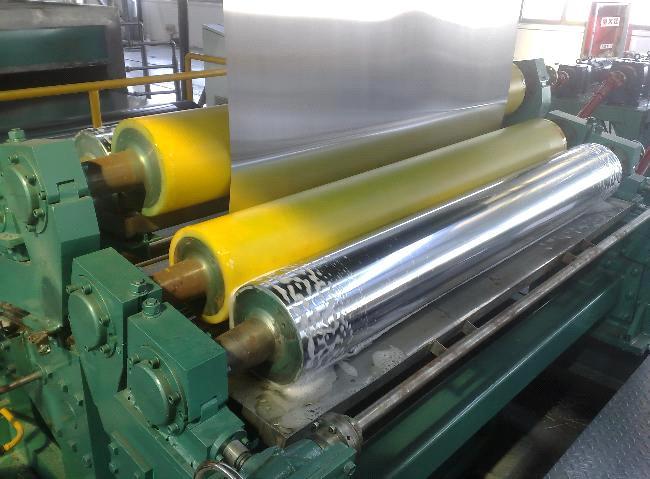
Mechanical components in a colour coating line operate continuously under high tension and speed, making them prone to wear and failure.
Common mechanical issues include:
- Roller misalignment
- Bearing wear or damage
- Conveyor tension instability
- Uncoiler or recoiler malfunction
Regular lubrication and alignment checks help prevent these issues.
Chemical System Imbalances
Pre-treatment and coating processes rely on precise chemical control. Any imbalance can significantly impact coating quality.
Common problems include:
- Incorrect chemical concentration
- Contaminated cleaning solutions
- Poor rinsing efficiency
- Inconsistent conversion coating performance
Routine monitoring of chemical parameters ensures stable process conditions.
Electrical and Automation Faults
Modern systems depend heavily on automation and electrical controls. Faults in these systems can disrupt the entire production line.
Typical issues include:
- Sensor failures or inaccurate readings
- PLC communication errors
- Motor overload or shutdown
- Control panel malfunctions
Regular inspection of electrical systems and software updates helps maintain reliability.
Line Speed and Tension Instability
Maintaining stable line speed and tension is essential for consistent coating quality. Any fluctuation can lead to defects.
Possible issues include:
- Strip breakage
- Uneven coating application
- Misalignment during processing
Solutions include adjusting drive systems, checking tension controls, and calibrating speed sensors.
Cooling System Problems
Improper cooling after curing can affect coating stability and surface quality.
Common issues include:
- Rapid cooling causing surface stress
- Insufficient cooling leading to handling damage
- Uneven temperature reduction
Proper airflow control and cooling system maintenance are necessary for stable output.
Preventive Maintenance for Reducing Issues
Preventive maintenance is the most effective way to reduce operational problems in a colour coating line.
Key practices include:
- Regular equipment inspection
- Scheduled calibration of sensors and systems
- Cleaning of coating and pre-treatment units
- Lubrication of mechanical components
A structured maintenance plan reduces unexpected breakdowns and improves production stability.
Role of Operators in Troubleshooting
Skilled operators play a vital role in identifying and resolving issues quickly. Their experience helps detect early warning signs of system problems.
Operator responsibilities include:
- Monitoring real-time production data
- Reporting abnormal machine behavior
- Adjusting process parameters when necessary
- Following standard operating procedures
Proper training enhances troubleshooting efficiency.
Conclusion
Troubleshooting is an essential part of maintaining a stable and efficient colour coating line. Common issues such as surface defects, coating adhesion problems, temperature irregularities, and mechanical failures can be effectively managed through proper monitoring, maintenance, and operator expertise.
By implementing preventive strategies and maintaining strict process control, manufacturers can ensure consistent product quality, reduce downtime, and improve overall production efficiency in modern coating operations.




Post Comment