Flatbed Die Cutter: Why It Remains a Smart Choice for Modern Packaging Production
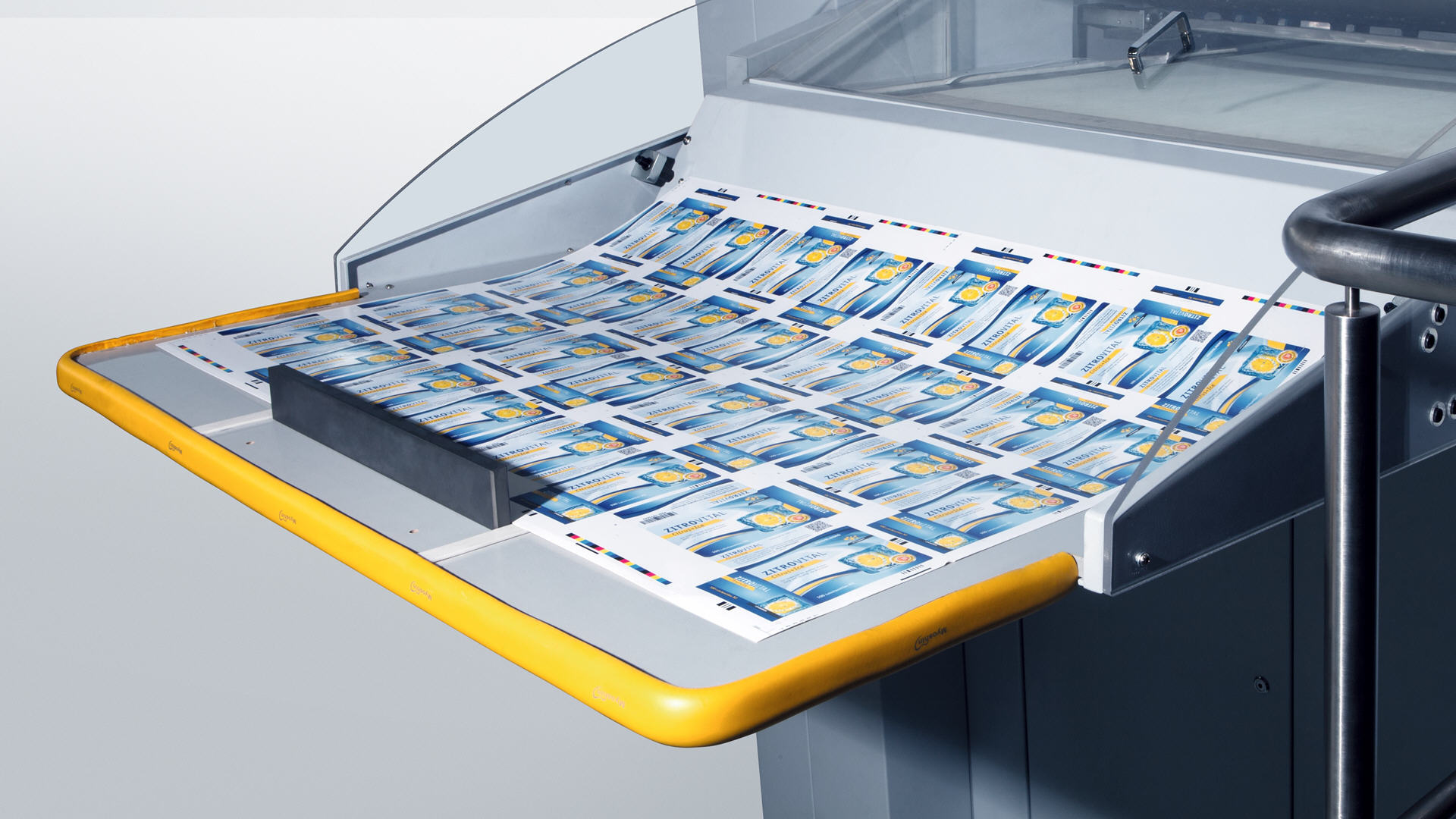
A packaging design may look perfect on a computer screen, but turning that design into a finished product requires accuracy, consistency, and the right machinery. One small cutting error can affect product appearance, increase waste, and slow down production.
For manufacturers focused on quality and efficiency, a flatbed die cutter often becomes an essential part of the production process. From folding cartons and corrugated boxes to retail displays and specialty packaging, these machines help businesses create professional results while maintaining high production standards.
What Is a Flatbed Die Cutter?
A flatbed die cutter is a machine used to cut, crease, emboss, and shape materials with the help of a custom-made die. Unlike rotary systems that use cylindrical rollers, flatbed equipment presses a die vertically onto a sheet material to create precise cuts and folds.
The technology is widely used across packaging, printing, and converting industries because it can handle intricate designs and a variety of materials.
Common materials include:
- Corrugated board
- Folding carton stock
- Cardboard
- Paperboard
- Plastic sheets
- Foam materials
- Specialty packaging substrates
Its flexibility makes it suitable for both standard packaging and custom projects.
How Flatbed Die Cutting Works
The process may seem simple, but it plays a critical role in manufacturing high-quality packaging products.
Die Creation
A steel-rule die is designed according to the required packaging layout. The die contains cutting and creasing lines that match the final product design.
Sheet Feeding
Sheets are loaded into the machine manually or through an automatic feeding system.
Pressing Process
The machine applies pressure between the die and the material. This action cuts, creases, perforates, or embosses the sheet.
Finished Product
Once processed, the sheets move to the next stage of production, such as folding, gluing, or assembly.
The result is a clean, consistent product that meets exact design specifications.
Why Manufacturers Choose Flatbed Die Cutting
Technology in packaging has evolved significantly, yet flatbed systems remain a popular choice for many production facilities.
Excellent Cutting Precision
One of the biggest advantages is accuracy.
Complex packaging designs often include:
- Custom windows
- Detailed shapes
- Unique product openings
- Decorative elements
Flatbed equipment handles these requirements with remarkable consistency.
Handles Thick Materials
Many packaging applications involve thicker substrates that can be challenging for other cutting methods.
Flatbed systems perform particularly well with:
- Corrugated packaging
- Heavy paperboard
- Multi-layer materials
This capability makes them attractive for industrial and retail packaging manufacturers.
Strong Creasing Quality
A package must not only be cut correctly but also fold properly.
Flatbed die cutting machines create sharp and accurate crease lines, helping boxes maintain their intended shape during assembly.
Greater Design Flexibility
Brands increasingly demand custom packaging to stand out on store shelves.
Whether creating luxury packaging or promotional displays, manufacturers benefit from the flexibility offered by flatbed technology.
Flatbed Die Cutter vs Rotary Die Cutter
Choosing between flatbed and rotary equipment is a common challenge for packaging businesses.
Flatbed Die Cutting
Advantages:
- High precision
- Better for complex designs
- Suitable for thicker materials
- Excellent creasing performance
Limitations:
- Lower production speed than rotary systems
- May require longer setup times for certain jobs
Rotary Die Cutting
Advantages:
- Faster production speeds
- Ideal for long production runs
- Efficient continuous operation
Limitations:
- Less suitable for intricate cutting patterns
- Tooling can be more expensive for some applications
The right choice depends on production goals, material types, and design complexity.
Industries That Benefit from Flatbed Die Cutting
Flatbed die cutting technology serves a wide range of industries.
Packaging Manufacturing
This sector represents the largest share of flatbed die cutter usage.
Applications include:
- Folding cartons
- Product boxes
- Shipping cartons
- E-commerce packaging
Commercial Printing
Printing companies use die cutting to create:
- Custom brochures
- Greeting cards
- Presentation folders
- Marketing materials
Retail Display Production
Retail brands often require eye-catching displays for stores and exhibitions.
Flatbed systems allow manufacturers to create unique shapes that attract customer attention.
Food and Beverage Packaging
Food packaging often requires precise dimensions and clean folds to ensure product safety and visual appeal.
Electronics Industry
Protective inserts, insulation materials, and specialized packaging components are frequently produced through die cutting processes.
Features to Look for When Buying a Flatbed Die Cutter
Not all machines are created equal. Understanding key features can help businesses make a smarter investment.
Maximum Sheet Size
Consider both current production needs and future growth plans.
Larger sheet capacities provide greater flexibility for packaging projects.
Automation Capabilities
Modern machines may include:
- Automatic feeders
- Waste stripping systems
- Delivery units
- Digital controls
Automation improves productivity while reducing labor costs.
Registration Accuracy
Precise registration ensures cuts align correctly with printed graphics.
This is particularly important for premium packaging and branded products.
Production Speed
Higher throughput can significantly improve operational efficiency.
However, speed should never come at the expense of quality.
Maintenance Requirements
Reliable equipment should offer easy access to key components for inspection and servicing.
Routine maintenance helps prevent costly downtime.
Real-World Example: Packaging Company Growth Through Automation
A mid-sized packaging manufacturer struggled with increasing demand from retail brands.
Their older equipment required frequent manual adjustments, resulting in slower production and inconsistent output.
After upgrading to a modern flatbed die cutting system, the company experienced:
- Faster job changeovers
- Better cut quality
- Reduced material waste
- Higher customer satisfaction
Within a year, they expanded their client base and accepted projects that were previously too complex to handle efficiently.
The lesson is simple: investing in the right machinery can create opportunities for growth while improving operational performance.
Common Challenges and Practical Solutions
Even the best equipment requires proper management.
Tool Wear
Cutting dies gradually lose sharpness after extended use.
Solution: Implement regular inspection schedules and replace worn dies before quality issues appear.
Material Feeding Problems
Misaligned sheets can affect cutting accuracy.
Solution: Use automated feeding systems and conduct calibration checks regularly.
Production Waste
Poor layout planning can increase material costs.
Solution: Optimize sheet utilization during the design stage to maximize yield.
Operator Training
Advanced equipment delivers better results when operated correctly.
Solution: Provide ongoing training programs and manufacturer-supported instruction.
Emerging Trends in Die Cutting Technology
The packaging industry continues to evolve, and die cutting equipment is evolving with it.
Recent advancements include:
- Smart production monitoring
- Servo-driven automation
- Predictive maintenance systems
- Improved energy efficiency
- Digital workflow integration
These developments help manufacturers improve consistency, reduce downtime, and increase overall productivity.
As demand for custom packaging continues to rise, precision cutting solutions will remain a valuable part of modern manufacturing operations.
Tips for Maximizing Return on Investment
Before purchasing equipment, consider the following:
- Analyze current production volume.
- Estimate future growth requirements.
- Evaluate automation needs.
- Consider maintenance and support services.
- Compare total operating costs rather than purchase price alone.
Many businesses focus only on the initial investment. However, long-term productivity gains often provide far greater value.
Conclusion
A flatbed die cutter continues to be one of the most reliable solutions for packaging, printing, and converting operations. Its ability to deliver precise cuts, strong creasing performance, and material versatility makes it a preferred choice across multiple industries.
Whether you manufacture folding cartons, corrugated boxes, retail displays, or specialty packaging products, selecting the right die cutting equipment can improve efficiency, reduce waste, and support business growth. By understanding your production requirements and investing in quality machinery, you can position your operation for long-term success in an increasingly competitive market.





Post Comment