Red Light Therapy Panel Maintenance and Long-Term Care Guide
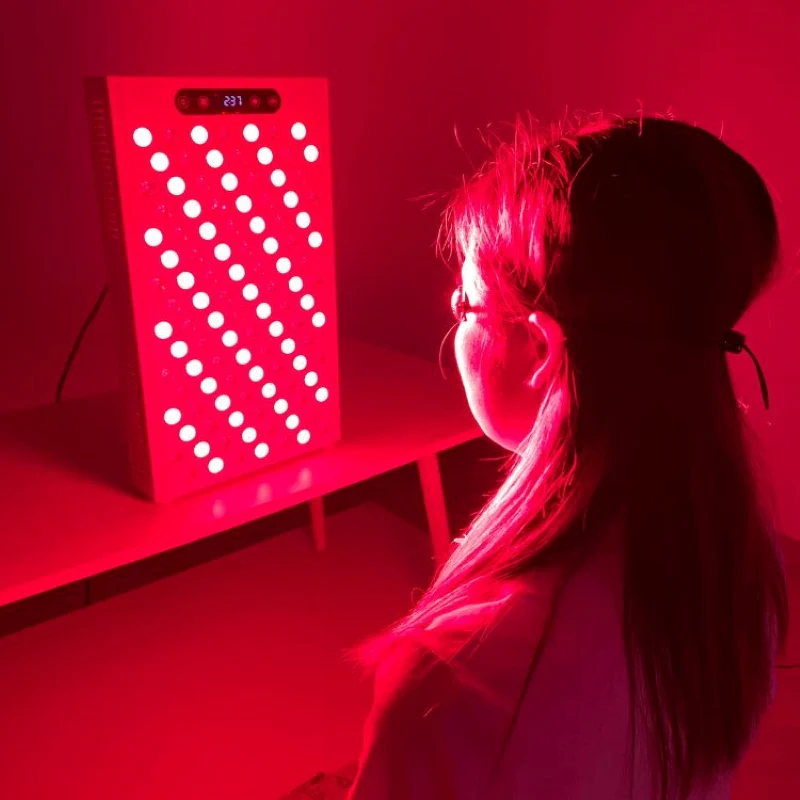
Red light therapy devices are designed for long-term use, making proper maintenance an important part of ensuring consistent performance and safety. Whether used in a home setting or professional environment, regular care helps extend device lifespan and maintain stable light output.
Users who invest in a red light therapy panel should understand that simple upkeep routines can significantly impact durability, efficiency, and overall treatment quality over time.
Table of Contents
ToggleWhy Maintenance Matters for Red Light Therapy Devices
Like any electronic wellness equipment, red light therapy panels rely on LED technology and internal electrical components. Over time, dust buildup, improper handling, or poor storage conditions can affect performance.
Regular maintenance helps to:
- Preserve light intensity and consistency
- Prevent overheating issues
- Extend LED lifespan
- Maintain safe operation
Consistent care ensures that the device continues delivering stable results throughout its usage life.
Cleaning Your Red Light Therapy Panel Safely
Cleaning is one of the most important aspects of maintenance. Since panels are used close to the body, they can accumulate dust, skin particles, or environmental debris over time.
To clean the device safely:
- Turn off and unplug the panel before cleaning
- Use a soft, dry microfiber cloth to wipe the surface
- Avoid harsh chemicals or abrasive materials
- Gently clean around LED areas without applying pressure
If needed, a slightly damp cloth can be used, but moisture should never enter internal components.
Proper Storage Practices
When not in use, storing the device correctly helps prevent unnecessary wear and damage. Poor storage conditions can reduce performance or shorten lifespan.
Best storage practices include:
- Keeping the device in a cool, dry environment
- Avoiding direct sunlight exposure when stored
- Preventing heavy objects from being placed on the panel
- Using protective covers if available
Proper storage is especially important for users who do not use the device daily.
Managing Heat and Ventilation
Although most modern panels are designed with cooling systems, heat management still plays a role in long-term performance.
To support proper ventilation:
- Ensure airflow around the device during use
- Avoid blocking cooling vents
- Do not operate in overly hot environments
- Allow the panel to cool down after extended sessions
Good airflow helps maintain LED efficiency and prevents overheating-related wear.
Checking Electrical Components and Connections
Regular inspection of cables, plugs, and connectors is important for safety and reliability. Over time, wear and tear can affect electrical performance.
Users should:
- Inspect cables for fraying or damage
- Ensure secure connections before each use
- Avoid bending cords excessively
- Replace damaged components immediately
Safe electrical practices reduce the risk of malfunction and improve device longevity.
Maintaining Consistent LED Performance
LEDs are designed for long lifespans, but their performance can still degrade if the device is not properly maintained.
To ensure consistent output:
- Avoid frequent physical impact or drops
- Keep the panel clean to prevent light obstruction
- Use recommended session durations
- Follow manufacturer usage guidelines
Proper handling helps maintain stable wavelength output and brightness over time.
Usage Habits That Affect Longevity
How the device is used also impacts its long-term condition. Overuse or improper handling can reduce efficiency.
Good usage habits include:
- Following recommended session times
- Allowing rest periods between long sessions
- Avoiding unnecessary maximum-intensity use
- Using the device in a stable, secure position
Balanced usage helps preserve both LED life and overall device stability.
Troubleshooting Common Issues
Occasionally, users may encounter minor issues such as reduced brightness or connectivity problems. Many of these can be resolved with basic troubleshooting.
Common steps include:
- Checking power supply and connections
- Restarting the device
- Cleaning dust from vents and surface
- Verifying control settings or timer functions
If problems persist, consulting the manufacturer or support team is recommended.
When to Seek Professional Support
While most maintenance can be handled by users, certain issues require professional attention. These include:
- Electrical malfunctions
- Persistent flickering or uneven lighting
- Physical damage to internal components
- Complete device failure
In such cases, contacting authorized service providers ensures safe and proper repairs.
Conclusion
Proper maintenance is essential for maximizing the lifespan and performance of any light therapy device. Regular cleaning, safe storage, careful handling, and consistent usage habits all contribute to long-term reliability.
By taking care of a red light therapy panel, users can ensure stable performance, improved safety, and a more consistent wellness experience over time.




Post Comment