Bead Mill Machine Maintenance Tips for Long-Term Reliability
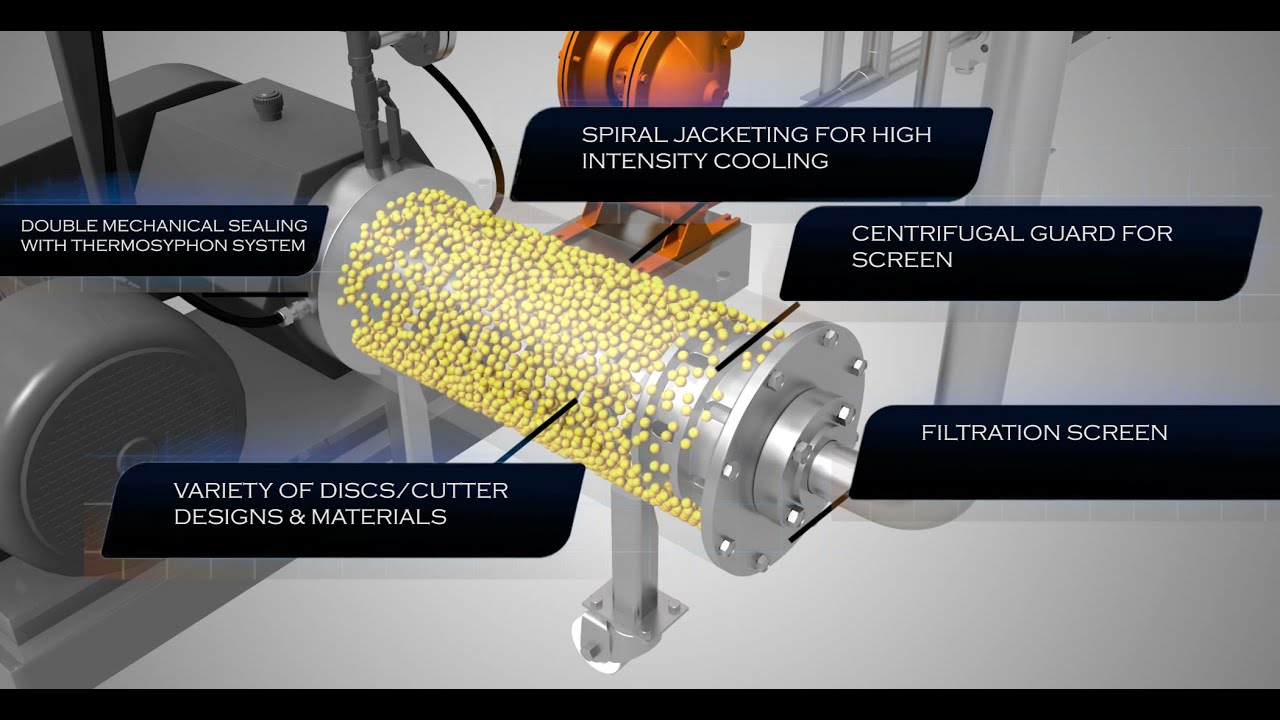
Reliable performance in industrial grinding processes depends heavily on proper equipment maintenance. In industries such as paints, coatings, pharmaceuticals, chemicals, and advanced materials, maintaining consistent particle size reduction is essential for product quality and operational efficiency. Regular upkeep of milling equipment helps prevent downtime, improves performance, and extends machine life.
A modern bead mill machine is designed for high-energy grinding and continuous operation, but like any precision equipment, it requires routine inspection and maintenance to ensure long-term reliability and stable performance.
Table of Contents
ToggleImportance of Maintenance in Bead Milling Systems
Bead mills operate under high-speed and high-energy conditions, where grinding media, rotors, and internal components are constantly exposed to friction and impact. Over time, this leads to natural wear and tear.
Without proper maintenance, performance can decline, leading to issues such as reduced grinding efficiency, inconsistent particle size, and unexpected breakdowns. Regular maintenance ensures that the machine continues to operate at optimal capacity while maintaining product quality.
Routine Cleaning and Inspection
One of the most important maintenance practices is regular cleaning of the grinding chamber and related components. Residual material buildup can affect grinding efficiency and lead to contamination of future batches.
Routine inspection should include:
- Checking the grinding chamber for residue buildup
- Cleaning the separation system to avoid clogging
- Inspecting inlet and outlet channels for blockages
- Ensuring no material hardening inside the system
Keeping the system clean helps maintain smooth operation and consistent particle size distribution.
Monitoring Grinding Media Condition
Grinding media plays a critical role in the efficiency of bead milling. Over time, beads may wear down, crack, or lose effectiveness due to continuous impact.
To maintain performance:
- Regularly inspect bead size and shape
- Replace worn or damaged beads promptly
- Use high-quality media suitable for the material being processed
- Avoid mixing incompatible bead types
Proper bead condition ensures efficient energy transfer and consistent grinding results.
Lubrication and Mechanical Maintenance
Mechanical components such as bearings, shafts, and seals require proper lubrication to function smoothly. Inadequate lubrication can lead to friction, overheating, and premature failure.
Key practices include:
- Applying recommended lubricants at scheduled intervals
- Checking bearings for unusual noise or vibration
- Inspecting seals to prevent leakage
- Ensuring proper alignment of rotating components
Well-maintained mechanical parts contribute to stable and efficient machine operation.
Temperature Control and Cooling System Maintenance
Bead milling generates significant heat due to high-energy collisions. If not controlled, excessive temperature can affect product quality and damage machine components.
Maintenance steps for temperature control include:
- Regularly checking cooling system performance
- Ensuring coolant flow is consistent and unobstructed
- Cleaning heat exchangers to prevent buildup
- Monitoring operating temperature during production
Efficient cooling helps maintain stable grinding conditions and prevents material degradation.
Electrical System and Safety Checks
The electrical system is essential for controlling speed, pressure, and overall machine operation. Faults in electrical components can lead to operational instability or safety risks.
Recommended practices include:
- Inspecting control panels for loose connections
- Checking sensors and monitoring devices regularly
- Ensuring proper grounding of the system
- Testing emergency stop functions periodically
Maintaining electrical integrity ensures safe and reliable operation.
Preventing Common Operational Issues
Even with proper usage, bead mills may encounter certain operational challenges over time. Preventive maintenance helps reduce these risks.
Common issues include:
- Wear of rotor and internal components
- Blockages due to improper material viscosity
- Reduced efficiency from worn grinding media
- Seal leakage or contamination risks
Early detection and correction of these problems help avoid costly downtime and repairs.
Importance of Scheduled Maintenance Plans
A structured maintenance schedule is essential for long-term reliability. Instead of reactive repairs, planned maintenance ensures consistent machine performance.
A good maintenance plan typically includes:
- Daily cleaning and visual inspection
- Weekly mechanical checks
- Monthly performance evaluation
- Periodic replacement of wear parts
Following a schedule helps extend equipment lifespan and maintain consistent product quality.
Benefits of Proper Maintenance
Regular maintenance of bead milling equipment provides several long-term advantages, including:
- Improved operational efficiency
- Reduced risk of unexpected breakdowns
- Consistent particle size quality
- Lower repair and replacement costs
- Extended machine lifespan
- Safer working environment
These benefits make maintenance a critical part of industrial production planning.
Conclusion
Long-term reliability of grinding equipment depends on consistent care, monitoring, and preventive maintenance practices. A well-maintained bead mill ensures stable performance, efficient particle size reduction, and high-quality output across industrial applications.
By focusing on cleaning, lubrication, cooling, and scheduled inspections, manufacturers can significantly improve machine longevity and reduce operational risks. Proper maintenance ultimately ensures that the bead milling process remains efficient, reliable, and cost-effective over time.





Post Comment