Pile Drilling Machine Maintenance and Performance Optimization Tips
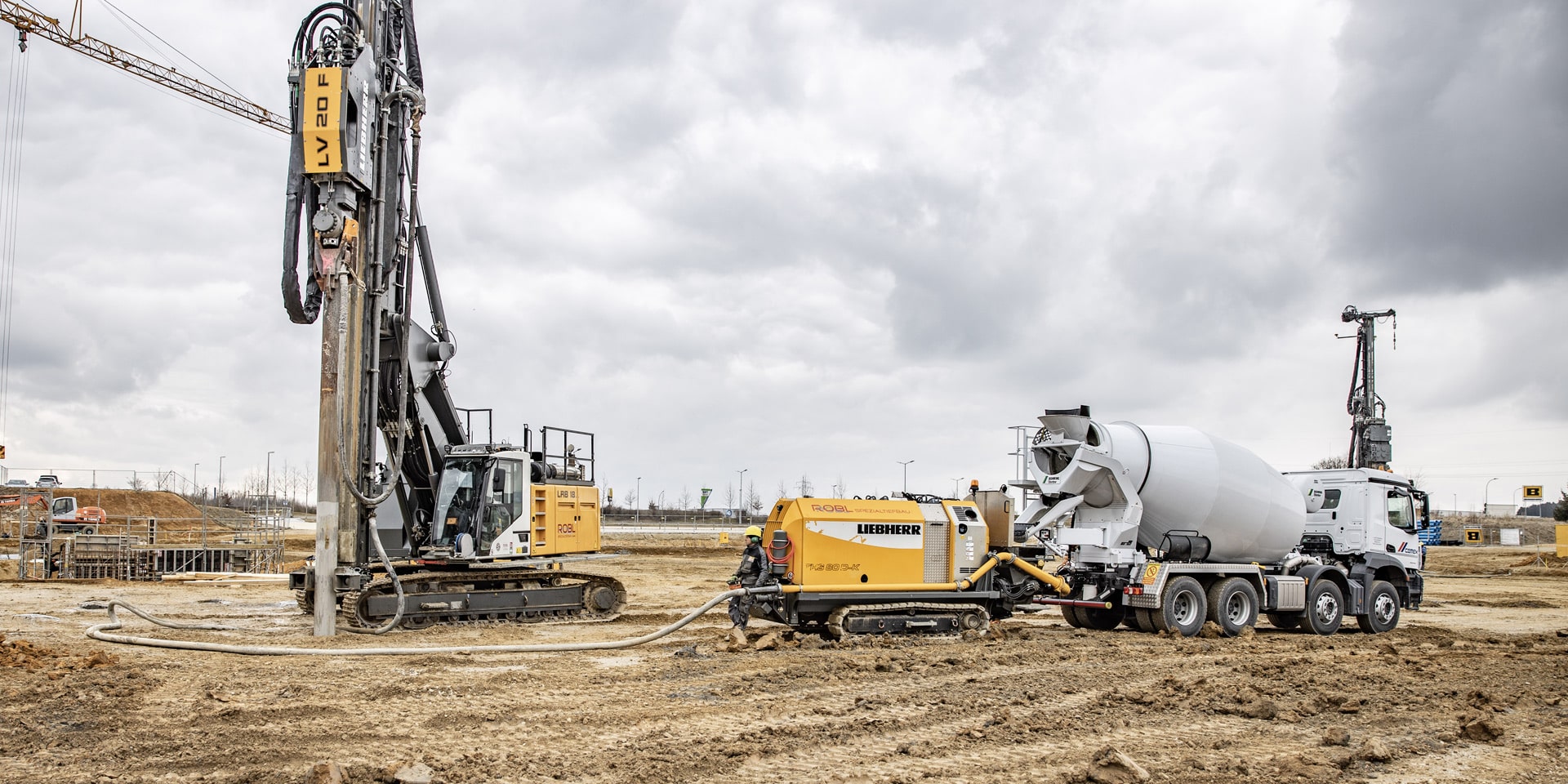
In modern foundation engineering, equipment reliability directly impacts project safety, efficiency, and cost control. Deep foundation work requires machines that can operate under heavy loads and varying soil conditions without performance failure. Proper maintenance ensures long-term stability and consistent drilling accuracy across construction sites.
A pile drilling machine is essential for creating deep and stable foundations in civil engineering projects, and a pile drilling machine requires systematic care and regular inspection to maintain optimal performance, reduce downtime, and ensure accurate pile formation in different soil conditions during continuous operation on construction sites.
Table of Contents
ToggleImportance of Regular Maintenance in Foundation Equipment
Maintenance is not just a technical requirement but a critical part of construction planning. Without proper upkeep, even advanced machinery can experience reduced efficiency, unexpected breakdowns, or safety risks.
For pile drilling systems, maintenance ensures consistent drilling depth, stable rotation, and accurate vertical alignment. It also helps extend equipment lifespan, which is especially important for contractors working on multiple large-scale infrastructure projects.
Regular maintenance reduces repair costs and prevents delays that can impact project deadlines.
Daily Inspection and Pre-Operation Checks
Before starting any drilling activity, operators should perform a detailed inspection of the machine. These checks help identify potential issues early and ensure safe operation throughout the workday.
Key daily inspection points include:
- Hydraulic fluid levels and possible leaks
- Condition of drill bits and cutting tools
- Electrical system and control panel functionality
- Structural stability of the mast and base
- Fuel or power supply status
These simple steps significantly reduce the risk of sudden equipment failure during critical foundation work.
Hydraulic System Care and Performance Stability
The hydraulic system is the core operational component of a pile drilling machine. It controls drilling power, rotation speed, and lifting mechanisms, making its maintenance crucial for smooth performance.
Contaminated hydraulic oil or clogged filters can reduce efficiency and cause overheating. Regular oil replacement and filter cleaning ensure consistent pressure and prevent internal component damage.
Operators should also monitor hose conditions for cracks or wear, as hydraulic leaks can lead to dangerous pressure loss and reduced drilling accuracy.
Drill Tools and Wear Component Management
Drilling tools such as augers, bits, and cutting heads experience continuous wear due to direct contact with soil and rock layers. Proper maintenance of these components ensures efficient penetration and reduces operational strain on the machine.
Best practices include:
- Regular sharpening or replacement of cutting edges
- Cleaning tools after each use to remove soil buildup
- Inspecting for cracks or deformation
- Using appropriate tools for different soil types
Well-maintained drilling tools improve speed, accuracy, and energy efficiency during foundation work.
Common Operational Issues and Troubleshooting
Even with proper maintenance, operational challenges may occur during long-term use. Identifying and resolving these issues quickly helps maintain productivity on site.
Some common problems include:
- Irregular drilling depth due to calibration errors
- Slow penetration caused by worn drill bits
- Hydraulic pressure fluctuations affecting stability
- Excessive vibration during operation
Most of these issues can be resolved through timely inspection, component replacement, or recalibration of machine settings.
Performance Optimization Strategies
Improving the efficiency of drilling operations requires both technical maintenance and smart operational practices. Optimization helps reduce fuel consumption, increase speed, and improve accuracy.
Effective strategies include:
- Adjusting drilling speed based on soil hardness
- Using high-quality lubricants for moving parts
- Scheduling preventive maintenance instead of reactive repairs
- Training operators for precise machine handling
- Monitoring real-time performance data where available
These practices help maintain consistent output and reduce unnecessary machine strain.
Environmental and Working Condition Considerations
External conditions such as weather, soil moisture, and temperature can also impact machine performance. Wet or unstable soil may require slower drilling speeds, while dry and compact soil may demand higher torque.
Operators should always adjust settings based on site conditions to avoid overloading the machine and ensure stable performance throughout the project.
Conclusion
Proper maintenance and performance optimization are essential for maximizing the efficiency and lifespan of drilling equipment used in foundation construction. By following structured inspection routines, caring for hydraulic systems, maintaining drilling tools, and applying smart operational strategies, contractors can ensure reliable and high-quality performance. A well-maintained pile drilling machine not only improves construction accuracy but also enhances overall project safety and productivity in demanding civil engineering environments.


Post Comment