Understanding the Role of High-Temperature Alloy Steel Pipes in Extreme Industrial Environments
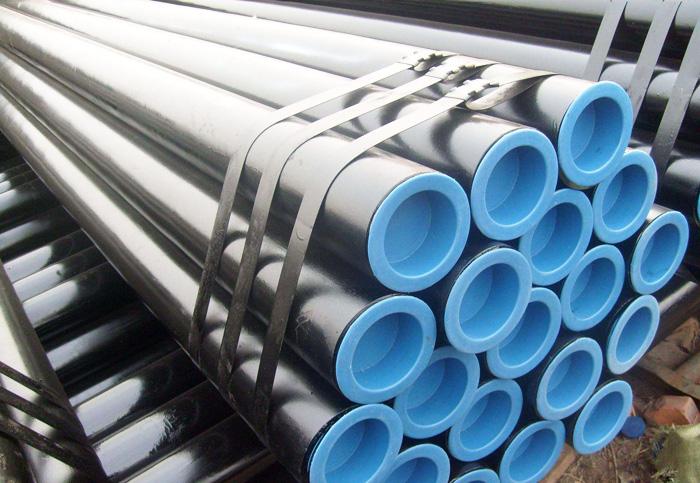
Industrial facilities that operate under extreme temperatures require materials capable of maintaining strength, dimensional stability, and structural reliability over extended periods. Power plants, refineries, petrochemical facilities, and chemical processing units often handle heated fluids, steam, and gases under demanding pressure conditions. In these environments, ordinary carbon steel may not provide the mechanical properties or resistance to high-temperature deterioration required for safe and dependable operation.
This is why High Temperature Alloy Steel Pipes play an important role in modern industrial infrastructure. Manufactured with carefully selected alloying elements, these pipes are designed to perform under elevated temperatures and demanding service conditions. Their resistance to oxidation, creep, and thermal stress makes them suitable for critical piping systems where material reliability directly affects operational efficiency and safety.
What Are High-Temperature Alloy Steel Pipes?
High-temperature alloy steel pipes are tubular products manufactured from steel containing alloying elements that improve performance under elevated-temperature conditions. Depending on the grade, these elements may include chromium, molybdenum, nickel, vanadium, and other carefully controlled additions.
Each element contributes specific properties. Chromium improves oxidation resistance, molybdenum supports high-temperature strength, and other alloying elements help improve hardenability, toughness, or resistance to particular forms of degradation.
These pipes are available in seamless and welded configurations, depending on the material specification, manufacturing requirements, and intended application. Seamless alloy steel pipes are frequently selected for demanding pressure and temperature services where their manufacturing characteristics meet the relevant design requirements.
Why High-Temperature Performance Matters in Industrial Applications
Industrial piping systems frequently transport materials at temperatures that can affect the mechanical behavior of steel.
As temperature increases, steel may experience reduced strength, thermal expansion, oxidation, and time-dependent deformation. Continuous exposure can also accelerate material degradation if the selected grade is unsuitable for the operating environment.
High-temperature alloy steel pipes are developed to address these challenges through controlled chemical composition, manufacturing processes, and heat treatment.
Their performance is particularly important in systems where unexpected pipe failure could cause equipment damage, production interruptions, fluid leakage, or serious safety hazards.
Key Properties of High-Temperature Alloy Steel Pipes
1. High-Temperature Strength
One of the most important characteristics is the ability to retain suitable mechanical strength at elevated temperatures.
Alloying elements such as chromium and molybdenum help improve high-temperature performance in appropriate steel grades. This makes these pipes suitable for steam lines, boilers, and industrial heating systems.
2. Creep Resistance
Creep is the gradual deformation of a material under sustained stress at elevated temperatures.
Over time, creep can cause changes in pipe dimensions and eventually lead to cracking or failure. Certain alloy steel grades are designed to provide improved resistance to this phenomenon.
This property is especially important in power generation and petrochemical facilities where piping systems may operate continuously at high temperatures.
3. Oxidation Resistance
High temperatures can accelerate the reaction between steel and oxygen, resulting in surface scale formation and material loss.
Chromium-containing alloy steels can develop protective oxide layers that help reduce further oxidation under suitable conditions.
The effectiveness of this protection depends on alloy composition, temperature, atmosphere, and exposure duration.
4. Thermal Stability
Industrial equipment often experiences heating and cooling cycles during startup, shutdown, and changes in operating conditions.
High-temperature alloy steel pipes are selected to maintain appropriate mechanical and structural properties under the thermal conditions specified by the engineering design.
Proper material selection is essential because repeated temperature changes can contribute to thermal fatigue and localized stress.
5. Pressure-Bearing Capability
High-temperature piping systems frequently operate under significant internal pressure.
Pipe wall thickness, material strength, operating temperature, and design conditions must be evaluated together to establish safe pressure limits.
The selected alloy grade must meet the relevant design code and project specifications.
6. Resistance to Certain Forms of Corrosion
Some alloy steel grades offer improved resistance to oxidation and particular high-temperature corrosion mechanisms.
However, resistance varies significantly with chemical composition and operating environment. Sulfur-containing gases, hydrogen exposure, carburizing atmospheres, and other aggressive conditions may require specialized materials and engineering assessment.
Common Grades Used in High-Temperature Applications
Different alloy steel grades are developed for specific combinations of temperature, pressure, and environmental exposure.
| Steel Grade | Main Alloying Characteristics | Common Applications |
|---|---|---|
| ASTM A335 P11 | Chromium-molybdenum alloy steel | Boilers, steam piping, and refineries |
| ASTM A335 P22 | Higher chromium-molybdenum content than P11 | High-temperature power and process piping |
| ASTM A335 P5 | Chromium-molybdenum alloy steel | Refinery and high-temperature service |
| ASTM A335 P9 | Higher chromium content with molybdenum | Selected high-temperature industrial systems |
| ASTM A335 P91 | Modified 9Cr-1Mo alloy steel with additional alloying elements | High-pressure steam and power generation |
The appropriate grade depends on design temperature, pressure, service environment, fabrication requirements, and applicable engineering standards. Grade selection should always be confirmed by qualified materials and design engineers.
Manufacturing Process of High-Temperature Alloy Steel Pipes
Manufacturing quality has a major influence on the mechanical properties and reliability of alloy steel pipes.
Raw Material Selection
Production begins with selecting steel billets that meet the chemical composition requirements of the intended grade.
The quality of the starting material affects the final pipe’s strength, toughness, and resistance to high-temperature degradation.
Heating and Piercing
For seamless pipes, the billet is heated to a controlled temperature and pierced to create a hollow shell.
The shell is then elongated and rolled to achieve the required dimensions.
Rolling and Sizing
Specialized rolling and sizing equipment controls the outside diameter and wall thickness.
Consistent dimensional accuracy is essential for pressure-bearing applications and reliable installation.
Heat Treatment
Heat treatment is particularly important for alloy steel pipes because it helps establish the required microstructure and mechanical properties.
Depending on the grade, manufacturing specification, and product condition, processes may include normalizing, tempering, quenching, or other specified treatments.
Finishing and Inspection
The pipes are straightened, cut to length, and prepared for final inspection.
Quality checks may include dimensional measurements, surface examination, mechanical testing, chemical analysis, and specified non-destructive examinations.
Industrial Applications of High-Temperature Alloy Steel Pipes
High-temperature alloy steel pipes are used in industries where equipment must operate reliably under demanding thermal and pressure conditions.
1. Power Generation Plants
Power plants use high-temperature piping to transport steam from boilers to turbines and other equipment.
Alloy steel grades such as P11, P22, and P91 are used in selected systems according to their operating conditions and design requirements.
Their high-temperature strength and creep resistance are important for maintaining piping integrity during long operating cycles.
2. Oil Refineries
Refineries contain numerous process units that operate at elevated temperatures.
Alloy steel pipes may be used in furnace piping, process lines, heat-transfer systems, and other applications where high-temperature mechanical properties are required.
Material selection must also consider the chemical composition of the process fluids and potential corrosion mechanisms.
3. Petrochemical Facilities
Petrochemical plants process hydrocarbons and chemical feedstocks through equipment that may involve high temperatures and pressures.
Alloy steel pipes are used in suitable process piping systems, including selected reactor, furnace, and heat-exchange connections.
The required material grade depends on process chemistry, temperature, pressure, and applicable design standards.
4. Chemical Processing Plants
Certain chemical production processes involve elevated temperatures and potentially aggressive operating environments.
Alloy steel pipes may be selected for heating lines, process-fluid transportation, and other services where their material properties meet the chemical and thermal requirements.
In highly corrosive applications, specialized stainless steels or nickel-based alloys may be more appropriate.
5. Boiler and Steam Systems
Boilers generate steam under controlled pressure and temperature conditions.
High-temperature alloy steel pipes are used in selected boiler components, superheater systems, reheater lines, and steam distribution networks.
Their ability to retain mechanical properties under prolonged heat exposure is important for safe operation.
6. Industrial Furnaces
Furnaces and thermal processing equipment require piping and associated components that can withstand high operating temperatures.
The selected alloy must be compatible with the furnace atmosphere, thermal cycling, and mechanical loading conditions.
Important Standards for High-Temperature Alloy Steel Pipes
International standards establish requirements for material composition, manufacturing, mechanical properties, dimensions, and inspection.
Some commonly referenced specifications include:
- ASTM A335: Covers seamless ferritic alloy-steel pipe intended for high-temperature service.
- ASME SA-335: The corresponding ASME material specification used in applicable pressure equipment and piping codes.
- ASTM A213: Covers seamless ferritic and austenitic alloy-steel boiler, superheater, and heat-exchanger tubes.
- ASTM A182: Covers forged or rolled alloy and stainless steel pipe flanges, fittings, valves, and parts for high-temperature service.
- EN 10216: Covers seamless steel tubes for pressure purposes, with different parts addressing specific material categories.
A material specification does not independently establish the suitability of a pipe for every operating condition. Engineers must also consider the applicable design code, allowable stresses, fabrication requirements, and inspection rules.
High-Temperature Alloy Steel Pipes vs. Carbon Steel Pipes
Carbon steel and alloy steel pipes are both used in industrial piping systems, but their performance characteristics differ.
| Comparison Factor | High-Temperature Alloy Steel Pipes | Carbon Steel Pipes |
|---|---|---|
| Alloy composition | Contains controlled alloying elements | Primarily iron and carbon |
| High-temperature strength | Designed for demanding elevated-temperature service | Depends on grade and temperature limitations |
| Creep resistance | Improved in suitable alloy grades | Generally more limited in demanding high-temperature conditions |
| Oxidation resistance | Can offer improved resistance depending on composition | Often requires additional consideration at elevated temperatures |
| Typical applications | Boilers, steam systems, refineries, and power plants | General industrial piping and suitable lower-temperature services |
| Material cost | Generally higher | Often more economical |
The choice should be based on operating conditions and engineering calculations rather than material cost alone. Carbon steel remains appropriate for many services, while alloy steel is selected when additional high-temperature performance is necessary.
Factors to Consider When Selecting High-Temperature Alloy Steel Pipes
Selecting the correct alloy steel pipe requires a detailed understanding of the operating environment.
- Operating temperature: Determine both normal and maximum design temperatures.
- Design pressure: Confirm that the material grade and pipe wall thickness satisfy pressure requirements.
- Alloy composition: Select a grade with suitable chromium, molybdenum, and other alloying elements.
- Creep performance: Consider long-term stress and temperature exposure.
- Corrosion environment: Evaluate oxidation, sulfidation, hydrogen exposure, and other possible degradation mechanisms.
- Pipe dimensions: Verify outside diameter, wall thickness, length, and dimensional tolerances.
- Applicable standards: Confirm compliance with ASTM, ASME, EN, or project-specific requirements.
- Fabrication compatibility: Review welding procedures, preheating, and post-weld heat-treatment requirements.
- Inspection documentation: Check material test certificates and required inspection reports.
A complete evaluation helps ensure that the pipe is suitable for its intended service throughout the planned operating life.
Inspection, Testing, and Quality Assurance
Quality control is essential for high-temperature piping because material defects or incorrect specifications can lead to serious operational problems.
Common inspection procedures include:
Chemical composition analysis: Confirms that the alloying elements and other chemical constituents meet the specified grade requirements.
Tensile testing: Measures yield strength, tensile strength, and elongation to verify mechanical performance.
Hardness testing: Checks material hardness and can help identify inconsistencies in heat treatment.
Hydrostatic testing: Evaluates pressure integrity where required by the applicable product specification.
Non-destructive testing: Ultrasonic, electromagnetic, or other approved examinations may be used to identify internal or surface discontinuities.
Dimensional inspection: Confirms outside diameter, wall thickness, straightness, and length.
Heat-treatment verification: Reviews the required treatment condition and supporting records to confirm compliance with the material specification.
Material traceability and accurate inspection documentation are also important for maintaining quality throughout procurement, fabrication, and installation.
Installation and Maintenance Considerations
Even a properly manufactured alloy steel pipe can experience premature deterioration if installation and maintenance procedures are inadequate.
Welding must follow approved procedures suitable for the selected alloy grade. Depending on the material, preheating and post-weld heat treatment may be necessary to achieve the required joint properties and reduce the risk of cracking.
During operation, regular inspections should focus on high-temperature sections, weld joints, supports, bends, and areas exposed to thermal cycling. Monitoring for wall-thickness loss, creep deformation, oxidation, and cracking can help identify potential problems.
Maintenance intervals should be established according to operating conditions, inspection findings, applicable codes, and plant reliability requirements.
Conclusion
High-temperature alloy steel pipes are essential components in industrial facilities that operate under demanding thermal and pressure conditions. Their carefully controlled alloy composition helps provide the strength, creep resistance, oxidation resistance, and structural reliability required for selected applications in power generation, oil refining, petrochemicals, chemical processing, and boiler systems.
However, dependable performance depends on more than choosing an alloy steel grade. Operating temperature, design pressure, corrosion mechanisms, manufacturing quality, heat treatment, welding procedures, and inspection requirements must all be considered.
By selecting materials that comply with the relevant technical standards and matching their properties to actual service conditions, industrial operators can improve piping reliability, support safer operations, and maintain long-term equipment performance.




Post Comment