Why Hot-Dip Galvanized Scaffolding Offers Better Protection Against Rust and Harsh Weather
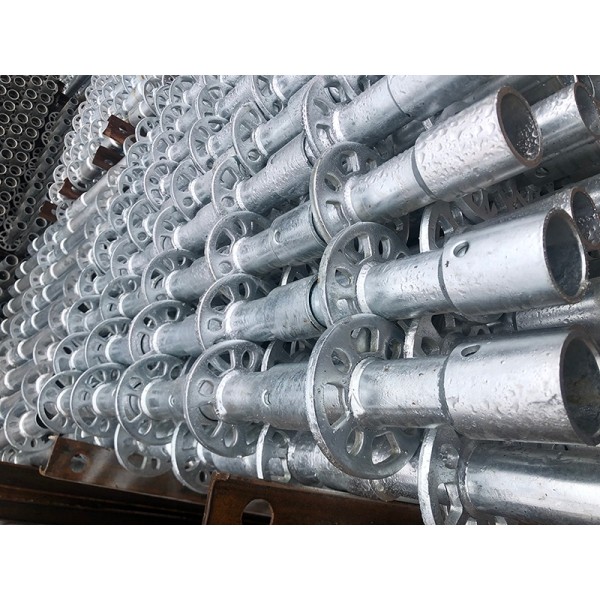
Scaffolding used on construction sites is regularly exposed to challenging environmental conditions. Rain, humidity, temperature fluctuations, dust, and airborne contaminants can gradually damage metal components, particularly when they lack adequate surface protection. Over time, corrosion can affect equipment condition, increase maintenance requirements, and shorten its usable service life.
Galvanized Scaffolding offers an effective way to reduce these risks through a protective zinc coating applied to steel components. Hot-dip galvanization creates a durable layer that helps protect the underlying metal from rust and environmental exposure. For contractors and equipment suppliers, understanding this treatment can help guide purchasing decisions and support better long-term equipment management.
What Is Hot-Dip Galvanized Scaffolding?
Hot-dip galvanized scaffolding consists of steel components that have been coated with zinc through a specialized manufacturing process. During treatment, prepared steel parts are immersed in a bath of molten zinc, allowing a metallurgical bond to form between the coating and the steel surface.
Unlike ordinary paint, which primarily provides a surface barrier, hot-dip galvanization creates a zinc coating that offers both barrier protection and sacrificial corrosion protection.
The process is widely used for scaffold tubes, frames, ledgers, braces, base components, and other steel accessories that may be exposed to outdoor conditions.
How the Hot-Dip Galvanizing Process Works
The effectiveness of galvanized scaffolding depends partly on proper surface preparation and controlled coating procedures. The manufacturing process generally involves several stages.
1. Surface Cleaning
Steel components are first cleaned to remove oil, grease, dirt, and other contaminants.
Clean surfaces are essential because impurities can interfere with the formation and quality of the zinc coating.
2. Pickling
The cleaned steel is treated with an appropriate acidic solution to remove rust and mill scale.
This step exposes a suitable metal surface for the subsequent galvanizing process.
3. Fluxing
After pickling, components are treated with a flux solution. This helps limit oxidation before immersion in molten zinc and supports proper coating formation.
4. Immersion in Molten Zinc
Prepared steel components are immersed in molten zinc at a controlled temperature, typically around 450°C.
A metallurgical reaction occurs between the zinc and iron in the steel, forming a series of zinc-iron alloy layers with an outer zinc layer.
5. Cooling and Inspection
After removal from the zinc bath, components are cooled and inspected.
Quality checks may examine coating coverage, appearance, thickness, and other characteristics specified by the relevant standards.
Why Hot-Dip Galvanizing Provides Better Rust Protection
Rust develops when iron or steel reacts with oxygen and moisture. Without suitable protection, corrosion can gradually reduce the quality and serviceability of metal components.
Hot-dip galvanizing helps prevent this process through two important protective mechanisms.
Barrier Protection
The zinc coating separates the steel surface from the surrounding environment.
By limiting direct contact with moisture and oxygen, it reduces the conditions that allow corrosion to develop.
The coating is metallurgically bonded to the steel, making it more durable than many ordinary surface finishes when correctly applied.
Sacrificial Protection
Zinc is more electrochemically active than iron. As a result, it can corrode preferentially when the coating and exposed steel are in electrical contact under suitable conditions.
This provides additional protection around small areas of coating damage, helping protect the underlying steel from corrosion.
However, sacrificial protection has limits. Large damaged areas, severe abrasion, or prolonged exposure to aggressive chemicals may still require repair or replacement.
Key Advantages of Galvanized Scaffolding
Hot-dip galvanizing offers several practical benefits for construction equipment used across different environments.
1. Improved Corrosion Resistance
The primary advantage is protection against rust.
Scaffold components are frequently stored outdoors or used in environments where rain and humidity are difficult to avoid. A suitable zinc coating helps reduce corrosion and maintain the condition of steel parts.
This can be particularly valuable for equipment used repeatedly across multiple construction projects.
2. Better Performance in Outdoor Conditions
Construction equipment may experience frequent exposure to rain, sunlight, temperature changes, and airborne contaminants.
A properly applied galvanized coating provides durable protection against many common outdoor exposure conditions.
Its actual service life depends on factors such as coating thickness, environmental severity, maintenance practices, and the frequency of physical damage.
3. Reduced Maintenance Requirements
Unprotected steel components may require frequent attention to control rust and deterioration.
Galvanized surfaces generally need less routine corrosion-related maintenance than untreated steel, although they should still be inspected and cleaned when necessary.
This can help contractors manage equipment more efficiently and reduce avoidable maintenance work.
4. Longer Potential Service Life
By slowing corrosion, galvanizing can help preserve the condition of scaffold components over an extended period.
This may reduce premature replacement and improve the value obtained from equipment purchases.
Long-term performance still depends on correct use, suitable storage, regular inspections, and the condition of individual components.
5. Consistent Protection Across Complex Shapes
Hot-dip galvanizing can coat many external and internal surfaces of suitably designed steel components.
This is useful for hollow scaffold tubes and fabricated components, where access to internal surfaces may be important.
Proper venting and drainage provisions are necessary for safe and effective treatment of hollow sections.
Galvanized Scaffolding Compared With Painted Steel
Paint and galvanizing are both used to protect steel equipment, but they work in different ways.
| Feature | Hot-Dip Galvanizing | Conventional Paint |
|---|---|---|
| Protection method | Zinc barrier and sacrificial protection | Primarily a surface barrier |
| Bonding | Metallurgical bond with steel | Adhesion to prepared surface |
| Damage response | Zinc can provide limited sacrificial protection | Exposed steel may begin to corrode |
| Maintenance | Generally lower corrosion-related maintenance | May require periodic recoating |
| Surface coverage | Can coat suitable internal and external surfaces | Depends on application and access |
| Typical use | Durable protection for steel components | Decorative and protective finishing |
Paint systems can still provide effective protection when properly selected and maintained. In some applications, paint is also applied over galvanized steel as part of a duplex coating system.
The best option depends on the operating environment, expected service life, maintenance plan, and project requirements.
Applications Where Galvanized Scaffolding Is Especially Useful
Different construction environments expose scaffolding to different corrosion risks. Galvanized equipment can be beneficial in several applications.
Building Construction
Residential and commercial projects frequently require scaffolding for masonry, exterior finishing, painting, and maintenance.
Because equipment may remain outdoors for extended periods, corrosion-resistant components can help maintain its condition between uses.
Industrial Facilities
Factories, warehouses, and processing plants may contain moisture, dust, and airborne substances that affect metal equipment.
Galvanized scaffolding can be suitable for many general industrial applications, although environments involving aggressive chemicals may require additional corrosion assessment.
Infrastructure Projects
Bridge construction, road development, and other infrastructure activities can involve prolonged outdoor equipment use.
Galvanized steel components may offer practical protection where rain and changing weather conditions are regular concerns.
Coastal Construction
Coastal environments can expose metal equipment to salt-laden air, which can accelerate corrosion.
Galvanizing can provide useful protection, but marine exposure is more demanding than many ordinary outdoor environments. Coating specifications, inspection frequency, and supplementary protection should be selected according to the actual exposure conditions.
Important Factors When Choosing Galvanized Scaffolding
Not all galvanized products offer identical performance. Buyers should evaluate several technical factors before selecting equipment.
Zinc Coating Thickness
Coating thickness is an important factor influencing corrosion protection and expected service life.
The appropriate thickness depends on the steel product, its dimensions, the applicable galvanizing standard, and the intended environment.
Buyers should request relevant coating specifications and inspection information rather than relying only on a product’s appearance.
Steel Quality
The quality and composition of the underlying steel influence both structural performance and galvanizing behavior.
Material grades, dimensions, and wall thickness should match the manufacturer’s specifications and the requirements of the intended scaffold design.
Manufacturing Consistency
Uniform coating coverage is important for reliable corrosion protection.
Components should be inspected for bare areas, excessive zinc buildup, rough deposits, and other defects that could affect fit or performance.
Connection Compatibility
Scaffold components must fit together correctly.
Galvanized ledgers, standards, braces, couplers, and accessories should be manufactured to compatible specifications. Coating thickness and manufacturing tolerances should not interfere with connection engagement.
Supplier Documentation
Reliable suppliers should provide relevant technical details, including material specifications, galvanizing information, product dimensions, and quality documentation.
Where required, buyers should also request evidence of compliance with applicable product and coating standards.
Maintenance Tips for Long-Term Performance
Although hot-dip galvanized scaffolding is designed to resist corrosion, it still requires proper inspection and care.
Regular maintenance helps identify damage and preserve equipment condition.
Recommended practices include:
- Inspecting components for scratches, coating damage, and corrosion.
- Checking tubes and frames for bending, cracking, or deformation.
- Examining welded areas and connection points.
- Cleaning accumulated dirt and chemical deposits when appropriate.
- Keeping components properly organized during transportation and storage.
- Repairing damaged coatings using suitable methods and following relevant guidance.
- Removing structurally defective components from service.
Galvanized equipment should also be stored in a way that minimizes prolonged moisture retention. Good ventilation and appropriate stacking arrangements can help prevent unnecessary surface deterioration.
Environmental and Economic Benefits
Hot-dip galvanizing can contribute to more efficient equipment management by extending the period during which steel components remain serviceable.
Durable scaffold parts may be reused across multiple projects, reducing the need for frequent replacement. Steel and zinc are also recyclable materials, supporting recovery and reuse when products reach the end of their service life.
From an economic perspective, the initial purchase price is only one part of the overall cost. Contractors should also consider maintenance, replacement frequency, storage, and equipment utilization.
A product with a suitable protective coating may offer better long-term value when used and maintained correctly.
Conclusion
Hot-dip galvanized scaffolding provides an effective approach to protecting steel construction equipment against rust and many common environmental conditions. Its zinc coating creates a durable barrier and offers sacrificial protection, helping preserve the underlying steel and reduce corrosion-related maintenance.
However, long-term performance depends on more than galvanizing alone. Steel quality, coating specifications, manufacturing consistency, correct installation, and regular inspections all contribute to equipment reliability.
By evaluating these factors before purchasing, construction professionals can select galvanized scaffolding that suits their project requirements and supports safer, more efficient equipment management over time.




Post Comment