How a Rotary Drum Filter Improves Solid Separation in Industrial Water Treatment
Effective solid separation is an important part of industrial water and wastewater treatment. Manufacturing processes, food production, chemical processing, and other industrial operations generate water containing suspended solids, fibers, organic particles, and other contaminants. Removing these materials helps protect downstream equipment, improve treatment efficiency, and maintain the quality of treated water. Choosing suitable filtration equipment is therefore essential for reliable industrial water management.
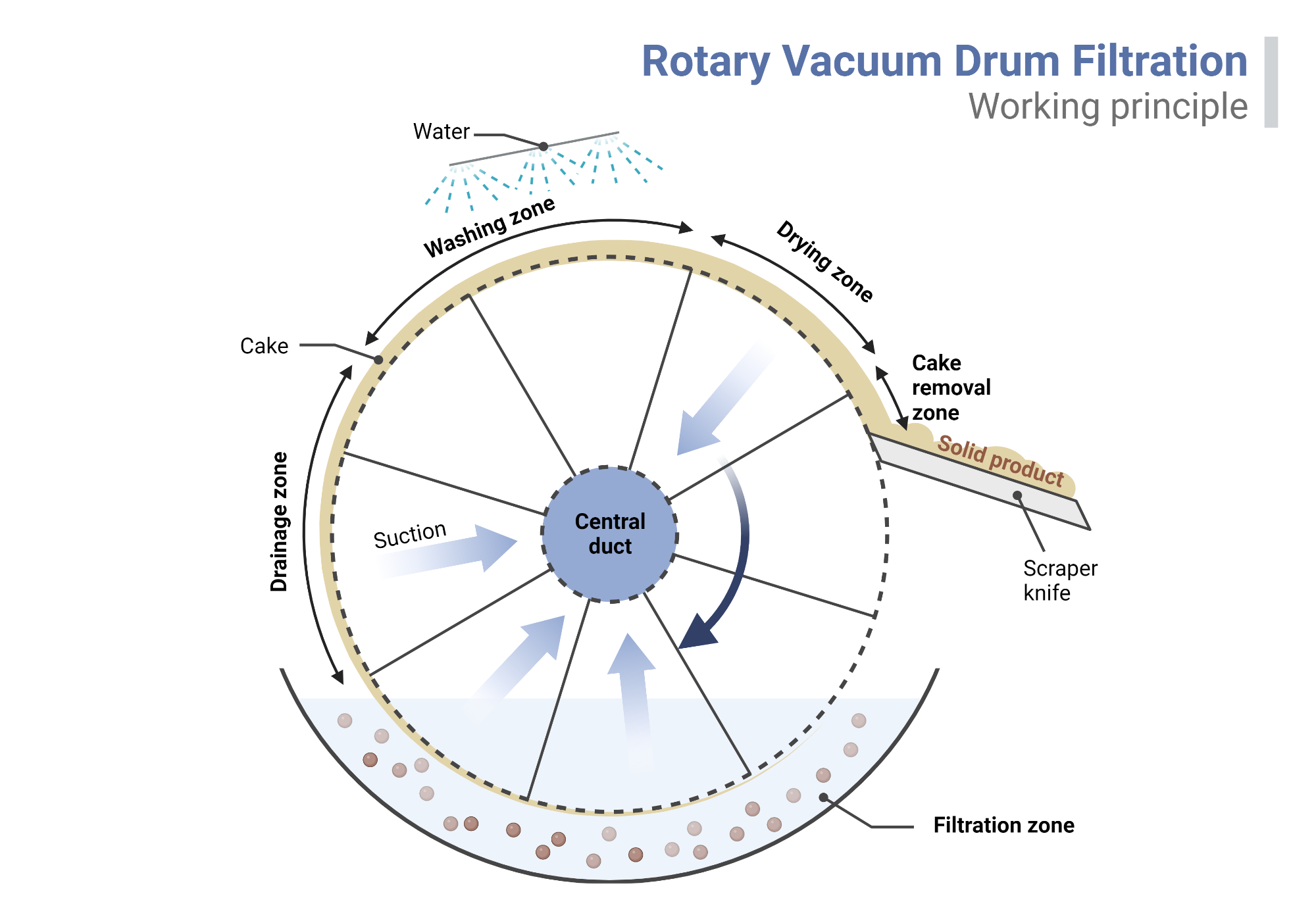
A Rotary Drum Filter is a mechanical filtration device designed to separate suspended solids from water through a rotating cylindrical screen or filter medium. As water passes through the filtration surface, solid particles are retained while the filtered liquid moves onward through the treatment system. Its continuous operation makes it useful for industrial applications that require consistent solid removal, reduced manual handling, and efficient filtration performance.
What Is a Rotary Drum Filter?
A rotary drum filter is a filtration system that uses a rotating cylindrical drum fitted with a screen, mesh, or other suitable filter medium. The drum is partially submerged in water or wastewater, allowing liquid to pass through its filtration surface while suspended particles are captured.
As the drum rotates, retained solids move toward a discharge area. Depending on the design, spray nozzles or other cleaning mechanisms remove accumulated material from the filter surface. The separated solids are then collected for further processing or disposal.
Rotary drum filters are commonly used in industrial wastewater treatment, process water filtration, aquaculture, food processing, and other applications where continuous removal of suspended solids is required.
How a Rotary Drum Filter Works
A rotary drum filter uses a continuous filtration and cleaning cycle to separate solids from liquid.
1. Water Inlet
Industrial water or wastewater enters the filter housing and flows toward the rotating drum. The inlet arrangement is designed to distribute the incoming flow across the available filtration area.
2. Filtration Through the Drum Screen
Water passes through the screen or filter medium, while particles larger than the effective openings are retained on the drum surface.
The filtration accuracy depends on screen opening size, particle characteristics, flow rate, and operating conditions.
3. Drum Rotation
A motor and drive mechanism rotate the cylindrical drum at a controlled speed. This movement carries the accumulated solids toward the cleaning and discharge section.
4. Screen Cleaning
As the drum rotates, retained particles are removed using spray nozzles, brushes, or other cleaning arrangements, depending on the equipment design.
This helps prevent excessive screen blockage and maintains filtration performance.
5. Solids Collection
The removed material is directed into a collection trough or discharge system. It can then be transferred for further treatment, dewatering, recovery, or appropriate disposal.
6. Filtered Water Discharge
The filtered water leaves the unit and moves to the next treatment stage or process application. Its quality depends on the filter opening size and the characteristics of the incoming water.
Key Benefits of Using a Rotary Drum Filter
Rotary drum filters offer several advantages for industrial facilities that need reliable solid-liquid separation.
1. Continuous Filtration
One of the main benefits of a rotary drum filter is its ability to operate continuously.
As the drum rotates, filtration and screen cleaning can take place as part of the same operating cycle. This reduces the need for frequent manual cleaning interruptions and supports consistent processing.
2. Effective Suspended Solids Removal
A rotary drum filter can capture suspended particles that are larger than the effective screen openings.
Removing these solids helps reduce the particulate load entering downstream treatment equipment, including biological reactors, pumps, and other filtration units.
3. Reduced Maintenance Interruptions
Automatic screen-cleaning arrangements help remove accumulated solids and reduce the risk of blockage.
Although regular inspection and maintenance are still necessary, continuous cleaning can reduce the frequency of manual intervention.
4. Protection of Downstream Equipment
Suspended solids can cause abrasion, clogging, and operational problems in downstream treatment systems.
By removing suitable particles at an earlier stage, rotary drum filters help protect pumps, pipelines, membranes, and other equipment from excessive solid loading.
5. Compact and Practical Design
Rotary drum filters combine filtration and solids removal in a relatively integrated structure.
Depending on the required capacity and configuration, they can be installed in industrial treatment facilities where efficient use of available space is important.
6. Consistent Filtration Performance
Controlled drum rotation and automatic cleaning help maintain a relatively consistent filtration cycle.
When properly sized and operated, the system can provide reliable solid separation across changing operating periods.
7. Reduced Solids Load in Subsequent Treatment Stages
Removing suspended solids before biological or advanced treatment can reduce the material that downstream processes need to handle.
This may improve overall process stability and help reduce unnecessary maintenance requirements.
Applications of Rotary Drum Filters in Industrial Water Treatment
Rotary drum filters are used in different industries where water contains suspended particles that must be removed before reuse, discharge, or further processing.
Food and Beverage Processing
Food and beverage manufacturing can generate wastewater containing organic particles, food residues, fibers, and other suspended materials.
Rotary drum filtration can remove suitable solid particles before subsequent treatment stages, helping reduce the load on biological and other treatment equipment.
Pulp and Paper Industry
Pulp and paper production generates process water containing fibers, fines, and other suspended solids.
Rotary drum filters can help recover or separate these materials, depending on the filtration design and process requirements.
Aquaculture and Fish Farming
Aquaculture systems produce water containing fish waste, uneaten feed, and other particulate matter.
Rotary drum filters are commonly used to remove suspended solids from recirculating aquaculture water. This helps reduce particulate accumulation and supports better water quality management.
Textile Industry
Textile manufacturing wastewater may contain fibers, lint, and suspended particles generated during production and washing operations.
Rotary drum filtration can provide preliminary solid separation before chemical, biological, or other advanced treatment processes.
Industrial Process Water Treatment
Many manufacturing facilities require filtration to remove particles from process water before reuse or further treatment.
Rotary drum filters can serve as a preliminary or intermediate filtration stage, depending on the required water quality and particle characteristics.
Factors to Consider When Selecting a Rotary Drum Filter
Choosing suitable filtration equipment requires evaluating the characteristics of the incoming water and the operational requirements of the facility.
1. Screen Opening Size
The screen opening determines the approximate particle size that the filter can retain.
A smaller opening can capture finer particles but may increase resistance to water flow and cleaning requirements. The appropriate screen should match the target filtration level and the characteristics of the suspended solids.
2. Filtration Capacity
The filter must handle the expected water flow without compromising separation performance.
Capacity selection should consider average and peak flow rates, suspended solids concentration, and the required operating schedule.
3. Drum Dimensions
Drum diameter and length influence the available filtration area.
Larger filtration areas may be necessary for higher flow rates or greater solids loading. The selected dimensions should also match the available installation space.
4. Material of Construction
Industrial water can contain chemicals, salts, oils, and other substances that may cause corrosion or material deterioration.
The drum, screen, housing, and supporting components should be manufactured from materials compatible with the operating environment. Stainless steel is commonly considered for applications requiring corrosion resistance, but the specific grade should be selected according to water chemistry and exposure conditions.
5. Cleaning Mechanism
The cleaning system plays an important role in maintaining filtration efficiency.
Spray nozzles, brushes, or other cleaning arrangements should be suitable for the type of solids being removed. Facilities should also consider cleaning water requirements and the accessibility of the cleaning components.
6. Solids Discharge Arrangement
The collected solids must be removed from the filter efficiently.
The discharge arrangement should prevent excessive accumulation and allow easy transfer to sludge handling or waste collection equipment.
7. Energy Consumption
Motor power, drum rotation speed, and cleaning water requirements contribute to operating expenses.
Comparing these factors helps facilities evaluate the long-term cost of operating the filtration system.
Maintenance Practices for Reliable Filter Performance
Routine maintenance helps prevent screen blockage and maintain consistent solid separation.
Recommended practices include:
- Inspect the screen: Check for damage, wear, or accumulated deposits that may affect filtration.
- Monitor drum rotation: Ensure that the drum rotates smoothly without unusual vibration or noise.
- Clean spray nozzles: Remove blockages that could reduce cleaning effectiveness.
- Check the drive system: Inspect motors, gearboxes, bearings, and mechanical connections.
- Monitor water flow: Watch for unexpected changes that may indicate screen blockage or operating problems.
- Inspect solids discharge: Ensure that collected particles are removed without excessive accumulation.
- Review filtration performance: Check inlet and outlet water quality to determine whether the filter is meeting its intended separation requirements.
A preventive maintenance schedule can help extend equipment service life and reduce unexpected operational interruptions.
Rotary Drum Filter Compared With Other Filtration Systems
Different filtration technologies are designed to address different water quality and treatment requirements.
Rotary Drum Filter vs. Screen Filter
A conventional screen filter may use a fixed or manually cleaned screening surface to remove larger particles.
A rotary drum filter uses a moving cylindrical screen and can combine continuous filtration with automatic solids removal. This can make it suitable for applications with ongoing suspended solids loading.
Rotary Drum Filter vs. Sand Filter
Sand filters use granular media to capture suspended particles as water passes through a filter bed.
Rotary drum filters generally provide mechanical screening based on screen opening size, while sand filters can capture smaller particles through filtration within the media bed.
The two technologies may be used at different stages of a treatment system rather than serving as direct replacements for one another.
Rotary Drum Filter vs. Membrane Filtration
Membrane systems use specialized barriers to separate much finer particles and, depending on membrane type, certain dissolved or colloidal contaminants.
Rotary drum filters are generally used for mechanical removal of larger suspended solids. They can serve as pretreatment equipment to reduce particulate loading before more advanced filtration processes.
How Rotary Drum Filters Improve Overall Treatment Efficiency
Solid separation is important because excessive suspended solids can interfere with downstream treatment operations.
By removing suitable particles early in the process, rotary drum filters can reduce the solids burden on biological treatment units, improve the operating conditions of subsequent filtration equipment, and support more consistent water management.
In applications where recoverable materials are present, separated solids may also be collected for further processing or recovery, depending on their composition and applicable requirements.
However, rotary drum filtration does not remove every type of contaminant. Dissolved pollutants, fine colloidal substances, and certain chemical compounds may require additional treatment technologies.
Conclusion
A rotary drum filter improves solid separation in industrial water treatment by continuously passing water through a rotating screen while retaining and removing suspended particles. Its automatic cleaning arrangements, continuous operation, and practical installation options make it a useful filtration solution for many industrial applications.
Selecting the right system requires careful consideration of screen opening size, filtration capacity, drum dimensions, construction materials, cleaning mechanisms, and solids discharge requirements. When properly designed and maintained, a rotary drum filter can protect downstream equipment, reduce suspended solids loading, and contribute to more efficient industrial water and wastewater treatment.





Post Comment