Understanding Material Quality and Customization Options for Wholesale Paper Lunch Boxes
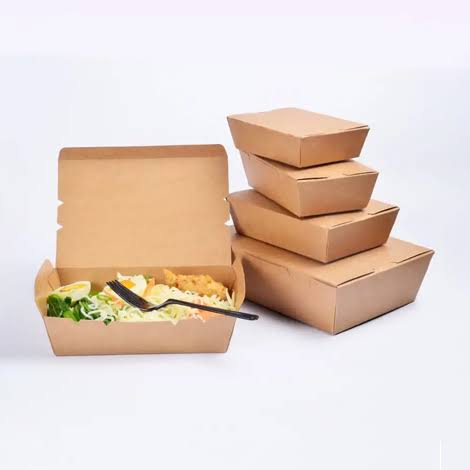
Paper lunch boxes are widely used by restaurants, cafes, catering companies, takeaway businesses, and food delivery services. They provide a practical way to package individual meals while supporting convenient storage, handling, and transportation. However, not all paper lunch boxes offer the same performance. Material quality, construction methods, coatings, and customization options can significantly influence their suitability for different food applications.
When purchasing Paper Lunch Boxes Wholesale, businesses should understand how these features affect product performance and overall value. Evaluating material specifications and available design options helps buyers select packaging that meets operational requirements while maintaining a consistent presentation.
1. Common Materials Used in Paper Lunch Boxes
Paper lunch boxes can be manufactured using different paper-based materials. Each material has characteristics that affect strength, appearance, weight, and suitability for food packaging.
Kraft Paper
Kraft paper is commonly used for food packaging because of its natural appearance and practical strength. It is available in different grades and thicknesses, making it suitable for various container designs.
Its brown color is often associated with a simple, natural packaging style. Businesses may also choose printed kraft packaging to display logos and other brand elements.
White Paperboard
White paperboard provides a smooth surface and a clean appearance. It is frequently used when businesses want packaging that supports colorful printing or a more refined presentation.
Its thickness and structural properties vary according to the grade selected. Buyers should review product specifications to determine whether a particular paperboard is suitable for their meal sizes and handling requirements.
Recycled Paper Materials
Some paper lunch boxes incorporate recycled fibers. These materials can help reduce reliance on virgin paper resources, depending on their composition and manufacturing process.
Businesses should check whether recycled materials are appropriate for direct food contact and whether the finished product meets applicable safety requirements. Clear supplier documentation is important when evaluating these options.
2. Paper Thickness and Structural Strength
Paper thickness plays an important role in determining how a lunch box performs. Containers made with insufficiently strong material may bend, collapse, or tear when holding heavier meals.
Thicker paperboard can improve rigidity, but thickness alone does not determine overall quality. Fiber composition, material density, folding design, and manufacturing precision also influence strength.
Before purchasing in bulk, businesses should test containers using their normal food portions. This helps determine whether the box can support the expected weight during filling, stacking, and transportation.
3. Food-Grade Materials and Safety
Food packaging must be suitable for contact with the meals it contains. Materials, coatings, adhesives, and printing inks should be selected according to relevant food-contact requirements.
Businesses should request product specifications and supporting documentation from suppliers. These details help buyers understand the materials used and confirm whether the packaging is appropriate for the intended food applications.
It is also important to consider how the containers will be stored before use. Keeping packaging in a clean, dry environment helps protect it from dust, moisture, and other contaminants.
4. Coatings for Moisture and Grease Resistance
Paper is naturally absorbent, so certain food applications may require an additional barrier layer. Coatings can help improve resistance to moisture, oils, and grease.
The appropriate coating depends on the type of food being packaged. Dry meals may require minimal protection, while oily dishes, sauces, and moist ingredients may need more specialized barriers.
Common considerations include:
- Moisture resistance: Helps prevent the paper from weakening when exposed to water or damp food.
- Grease resistance: Reduces oil penetration and visible staining.
- Heat compatibility: Determines whether the container is suitable for the temperatures specified by the manufacturer.
- Barrier composition: Helps buyers understand whether the coating affects recycling or composting options.
Businesses should not assume that every coated paper container is recyclable or compostable. They should review the material composition and local disposal requirements.
5. Box Design and Construction
The structural design of a paper lunch box affects its stability and ease of use. Important features include the base, side panels, corners, folding sections, and lid.
A well-designed base should support the intended food weight without excessive bending. Secure side panels help the container maintain its shape, while properly designed lids can reduce the risk of accidental opening.
Some containers are supplied flat and assembled when needed. This can reduce storage requirements, but the folding structure should be simple enough for employees to handle efficiently.
6. Different Sizes and Capacities
Paper lunch boxes are available in different dimensions to accommodate various portion sizes and meal types. Choosing the right size helps prevent unnecessary packaging expenses and improves food presentation.
Smaller containers may be appropriate for snacks, sandwiches, pastries, and side dishes. Larger boxes can accommodate complete meals, while compartment-style designs help separate different ingredients.
Businesses should assess their menus and identify the most frequently used capacities. Ordering a suitable range of sizes can support different meal combinations without creating an unnecessarily complicated inventory.
7. Compartment and Divider Customization
Some paper lunch boxes include multiple compartments that keep separate food items organized. These designs are useful for combination meals, catering packages, and prepared lunches.
Compartments can help separate rice, vegetables, proteins, and side dishes. They may also reduce the movement of food inside the container during transportation.
When choosing a divided design, businesses should evaluate the dimensions and depth of each section. The compartments should accommodate actual serving portions without overcrowding or wasting space.
8. Custom Printing and Branding
Customization allows food businesses to make their packaging more recognizable. Printed lunch boxes can display company logos, brand colors, slogans, contact details, or other design elements.
Custom printing can create a consistent appearance across takeaway orders, food delivery, and catering services. It may also improve brand recognition when customers carry meals to offices, schools, or public events.
Before placing a customized order, buyers should ask suppliers about available printing methods, color limitations, artwork requirements, and production costs. Reviewing a digital proof or physical sample can help confirm that the final design matches expectations.
9. Choosing the Right Printing Method
Different printing methods may be available depending on the material, order quantity, and complexity of the design. The selected process can influence print appearance, production time, and cost.
Businesses should consider whether they need simple logo printing or more detailed artwork. They should also ask whether the inks and printing process are suitable for the intended food packaging application.
For large wholesale orders, it is useful to confirm color consistency and print placement before production begins. This helps maintain a uniform appearance across the entire shipment.
10. Custom Shapes and Structural Features
Some businesses require packaging that differs from standard rectangular lunch boxes. Custom dimensions, lid styles, folding structures, and compartment arrangements can help meet specific operational needs.
For example, a restaurant may need a container that accommodates a particular meal combination, while a catering company may prefer a design that stacks efficiently for event distribution.
Custom structures should be evaluated for practicality as well as appearance. A visually distinctive box may not be useful if it is difficult to assemble, store, or transport.
11. Minimum Order Quantities and Production Lead Times
Customized paper lunch boxes may require higher minimum order quantities than standard products. Printing setup, material preparation, and specialized manufacturing can affect the quantity a supplier needs to produce economically.
Production lead times may also vary depending on design complexity and order size. Businesses should confirm these details before scheduling promotional campaigns or large catering events.
It is advisable to request a clear quotation that includes:
- Minimum order quantity.
- Unit price at different order volumes.
- Customization and printing charges.
- Sample production costs, if applicable.
- Production and delivery timelines.
- Payment and order confirmation terms.
Understanding these conditions helps businesses plan purchases and avoid unexpected expenses.
12. Quality Control for Wholesale Orders
Quality control is essential when purchasing large quantities of packaging. Even a small manufacturing inconsistency can affect hundreds or thousands of containers.
Businesses should evaluate the uniformity of paper thickness, dimensions, folding lines, printing quality, and adhesive application. Containers should also be checked for damaged edges, weak joints, and defects that may affect food protection.
A sample approval process can help establish the expected quality standard before full production begins. Buyers should also ask suppliers how they inspect finished products and handle quality concerns.
13. Balancing Customization with Packaging Costs
Customization can improve brand presentation, but additional design features may increase the cost of each container. Businesses should decide which features provide genuine operational or marketing value.
For example, a simple logo may be sufficient for a small restaurant, while a large catering company may benefit from customized compartments or clearly labeled meal sections.
A practical approach is to prioritize essential features first. Buyers can compare standard and customized versions to determine whether the additional expense is justified by improved usability, presentation, or brand recognition.
14. How to Select a Suitable Wholesale Supplier
Choosing a reliable supplier is important for obtaining consistent material quality and customization results. Businesses should review the supplier’s product range, manufacturing capabilities, communication, and delivery arrangements.
An experienced packaging provider such as Uchampak can help buyers explore different paper lunch box designs and available customization options. However, businesses should always review samples and specifications before confirming a large order.
A good supplier should be able to explain material grades, coating options, printing requirements, minimum quantities, and quality-control procedures clearly.
Conclusion
Material quality and customization options both influence the performance and value of wholesale paper lunch boxes. Paper grade, thickness, structural design, food-contact suitability, and barrier coatings determine how well a container supports different food applications. Meanwhile, printing, compartments, dimensions, and custom structures allow businesses to adapt packaging to their menus and brand identity.
By reviewing product specifications, testing samples, and comparing supplier capabilities, restaurants and catering companies can select paper lunch boxes that balance durability, functionality, presentation, and cost. Careful planning helps ensure that customized packaging supports daily operations while providing a consistent experience for customers.



Post Comment