How to Care for Tissue Culture Plants After Purchasing and Delivery
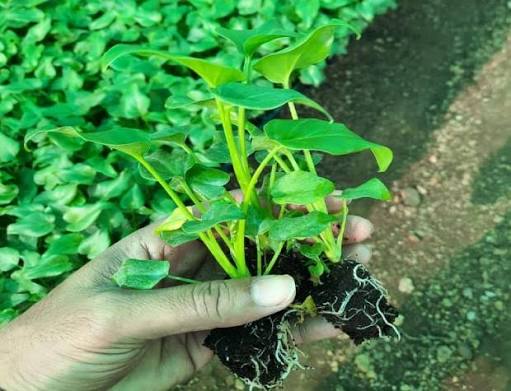
Tissue culture plants require careful handling after purchasing and delivery because they are often grown in controlled laboratory environments before reaching buyers. Their transition into a home garden, greenhouse, or commercial nursery can expose them to changes in humidity, temperature, light, and growing conditions. Providing suitable care during this period helps young plants adjust and develop healthy roots, stems, and leaves.
Before ordering Tissue Culture Plants for Sale, buyers should understand the care requirements associated with different plant stages. In vitro plantlets, rooted plants, and acclimatized specimens do not all need the same treatment. Following an appropriate care routine after delivery can reduce environmental stress and support successful establishment.
1. Inspect Plants Immediately After Delivery
The first step is to examine the shipment as soon as it arrives. Transportation can expose plants to movement, temperature changes, and delays, so checking their condition helps identify any problems early.
Inspect the following:
- Leaves for discoloration, bruising, or unusual damage.
- Stems for firmness and signs of breakage.
- Roots for visible damage, where accessible.
- Culture containers for cracks, leaks, or broken seals.
- Growing media for unusual discoloration or possible contamination.
Take photographs of any damage before changing the packaging or handling the plants extensively. If the shipment does not match the agreed specifications, contact the supplier promptly and follow its reporting procedure.
Avoid placing newly delivered plants directly under strong sunlight or near heating and cooling equipment.
2. Identify the Plant’s Growth Stage
Care instructions depend heavily on the condition in which the plants are supplied. Understanding the growth stage helps determine whether immediate transfer, acclimatization, or routine nursery care is appropriate.
In Vitro Plantlets
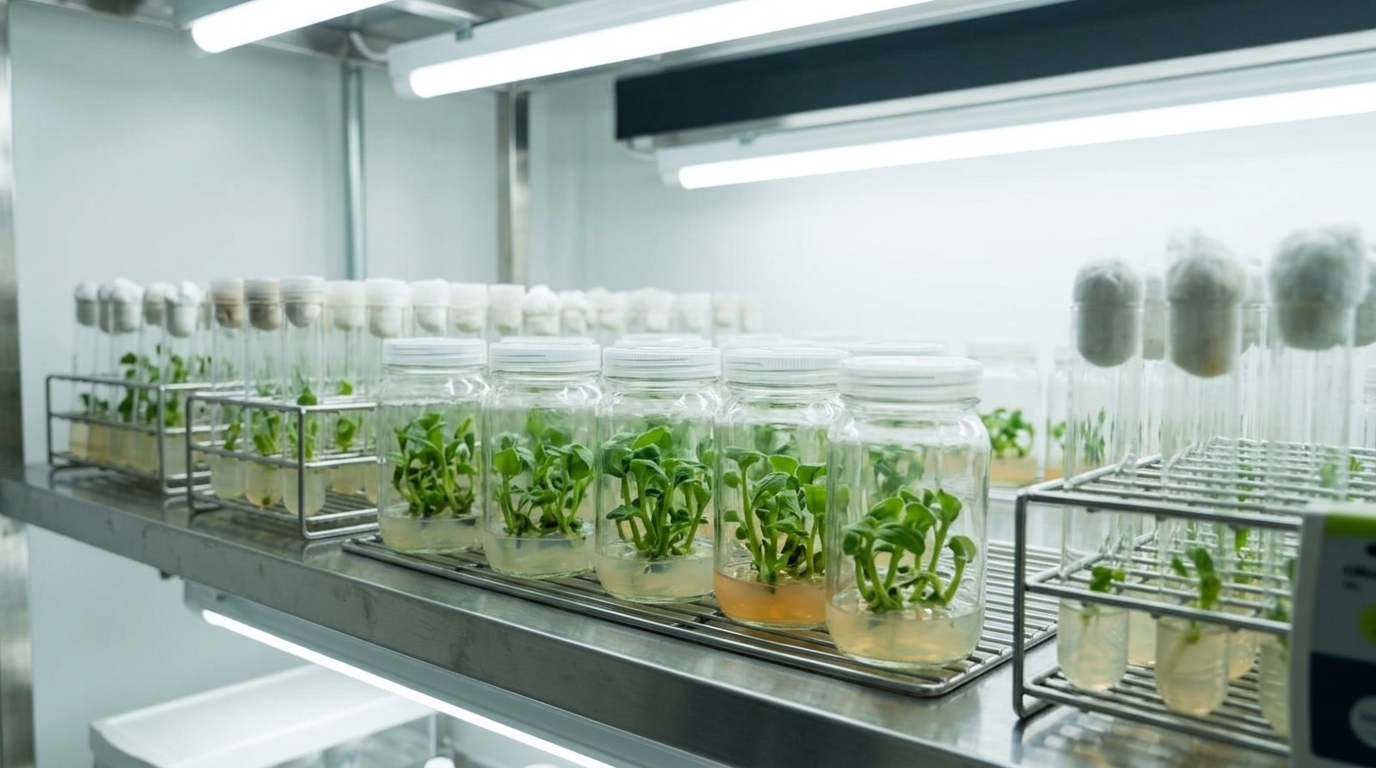
These plants remain inside sealed culture containers with a nutrient medium. They are generally small and have developed under controlled conditions. They need careful handling when removed from the container.
Rooted Plantlets
Rooted plantlets have developed roots and may be ready for transfer into a suitable growing medium. Their condition should be assessed before planting, as some may still require a gradual adjustment to normal humidity.
Acclimatized Plants
These plants have already undergone the transition from laboratory conditions to a more natural growing environment. They may be easier to manage, although they still need suitable light, moisture, and temperature.
Always check the supplier’s instructions before deciding how to handle a particular batch.
3. Prepare a Suitable Growing Area
Before transferring plants, prepare a clean and organized growing space. A suitable environment reduces unnecessary stress and makes it easier to monitor plant development.
For indoor gardening, choose an area with appropriate indirect light and stable temperatures. Avoid placing young plants near drafty windows, air conditioners, heaters, or frequently opened exterior doors.
For greenhouse or nursery production, organize a section where humidity, ventilation, and light can be controlled. Keep newly delivered plantlets separate from established plants when practical, especially while checking their condition.
Clean work surfaces, containers, and tools before handling the plants. Good hygiene helps reduce the risk of introducing unwanted microorganisms.
4. Remove Plantlets from Culture Containers Carefully
In vitro plantlets need special attention during removal. Their leaves and roots may be delicate, so rough handling can cause physical damage.
A careful transfer process generally involves:
- Preparing clean containers and suitable growing media.
- Opening the culture container gently.
- Removing the plantlet without pulling or crushing its roots.
- Washing away residual culture medium when appropriate.
- Inspecting the roots and removing damaged tissue only when necessary.
- Transferring the plant into its prepared growing medium.
Use clean hands or sanitized tools, and follow the supplier’s instructions for the specific plant variety. Some species are more sensitive to root disturbance than others.
5. Choose the Right Growing Medium
Growing media provide physical support, moisture, and air around the roots. The correct mixture depends on the plant species and its environmental requirements.
For many tropical foliage plants, growers use combinations that may include coco coir, perlite, sphagnum moss, bark, or other suitable materials. Orchids often require specialized, well-aerated media, while succulents generally need mixtures with excellent drainage.
A suitable growing medium should:
- Provide adequate air circulation around roots.
- Retain enough moisture without becoming waterlogged.
- Drain excess water effectively.
- Be clean and appropriate for the plant species.
- Support stable root development.
Avoid using one growing medium for every tissue culture variety. Research the needs of each plant before preparing the final mixture.
6. Maintain Appropriate Humidity During Acclimatization
One of the biggest challenges after transferring in vitro plants is adjusting them to lower humidity. Plants grown inside sealed containers experience a different moisture environment from plants exposed to normal air.
During acclimatization, humidity may need to remain relatively high at first. A humidity dome, propagation tray, or controlled greenhouse area can help maintain stable conditions.
However, excessive moisture without sufficient ventilation can encourage fungal and bacterial problems. Provide gentle air exchange and monitor the growing environment regularly.
As plants begin producing stronger leaves and showing stable growth, gradually reduce humidity. Avoid making sudden changes that could cause wilting or leaf damage.
7. Provide Suitable Light Without Overexposure
Young tissue culture plants may be sensitive to intense sunlight, particularly immediately after transfer. Strong direct light can increase water loss and place additional stress on developing leaves.
Start with gentle, indirect light or an appropriate low-intensity growing-light setup. The ideal conditions depend on the plant species.
For example:
- Monstera and Philodendron: Usually benefit from bright, indirect light.
- Aglaonema: Many varieties tolerate moderate or lower indoor light.
- Anthurium: Generally prefers filtered light and protection from harsh sun.
- Orchids: Light requirements vary by type, so check the specific variety.
- Succulents: Usually require brighter conditions once properly established, but newly transferred plantlets may need gradual adjustment.
Increase light exposure gradually as the plants become established. Monitor leaf color and growth to determine whether the conditions are suitable.
8. Water Carefully and Avoid Waterlogging
Water management is essential for newly transferred tissue culture plants. Their roots may be delicate, and excessive watering can reduce oxygen around the roots and increase the risk of rot.
Use a clean watering method and keep the growing medium appropriately moist for the species. Avoid allowing the medium to remain saturated for extended periods.
Consider these general practices:
- Check the moisture level before watering again.
- Use containers with suitable drainage.
- Avoid leaving standing water in trays.
- Adjust watering frequency according to temperature and humidity.
- Use water appropriate for the plant’s sensitivity and local conditions.
Succulents, tropical foliage plants, and orchids have different moisture requirements. Always adapt watering practices to the specific variety and growing medium.
9. Maintain Stable Temperature and Air Circulation
Sudden temperature changes can slow plant establishment and cause stress. Most tropical tissue culture ornamentals prefer stable, warm conditions, although individual species have different temperature ranges.
Keep newly transferred plants away from cold drafts, hot surfaces, and direct airflow from air-conditioning units.
Ventilation is equally important. Good air movement helps reduce excessive moisture around leaves and growing media. However, strong airflow can dry young plantlets too quickly.
Aim for gentle circulation that supports a stable environment without exposing delicate plants to harsh conditions.
10. Monitor Plants During the First Few Weeks
The first several weeks after delivery and transfer are important for observing how plants respond to their new environment. Regular checks help identify stress before it becomes severe.
Watch for:
- Wilting or drooping leaves.
- Yellowing or browning foliage.
- Soft or damaged stems.
- Root discoloration or decay.
- Mold or unusual growth on the medium.
- Failure to produce new growth over an extended period.
A small amount of adjustment stress may occur after transfer, but persistent or worsening symptoms should be investigated. Check humidity, light, watering, and temperature before making major changes.
Keep simple records of watering dates, environmental conditions, and visible growth. This can be especially helpful for commercial nurseries managing multiple varieties.
11. Avoid Fertilizing Too Early
Newly transferred plantlets may not be ready for regular fertilizer applications. Their root systems need time to adjust and begin functioning effectively in the new growing medium.
Avoid applying concentrated fertilizers immediately after transfer unless the supplier specifically recommends it. Once plants show stable growth, a suitable diluted fertilizer may be introduced according to the species’ requirements.
Overfertilization can damage sensitive roots and create unnecessary stress. Follow product instructions and avoid assuming that every variety needs the same nutrient schedule.
12. Prevent Pests and Diseases
Although tissue culture production takes place under controlled conditions, plants can still be exposed to pests and diseases during packaging, transportation, and cultivation.
Keep newly received plants in a separate observation area when possible. Inspect leaves, stems, and growing media for insects, webbing, unusual spots, or signs of decay.
Good preventive practices include:
- Cleaning containers and work surfaces.
- Using suitable, clean growing media.
- Avoiding overcrowding.
- Maintaining appropriate ventilation.
- Removing severely damaged plant material when necessary.
- Monitoring new plants before placing them with established collections.
If a problem appears, identify its cause before applying any treatment. Using pesticides or fungicides without confirming the issue can create additional stress for young plants.
13. Gradually Transition Plants to Normal Growing Conditions
Acclimatization should be a gradual process rather than a sudden change. Once plants show signs of stable growth, begin adjusting humidity, light, and ventilation toward the conditions in which they will eventually be grown.
For plants intended for outdoor gardens, introduce them gradually to outdoor conditions. Start in a sheltered location and increase exposure to sunlight and natural airflow over time, according to the species’ tolerance.
For indoor plants, move them to their permanent location only after they have adjusted sufficiently. Avoid frequently relocating young plants during the early establishment period.
The length of acclimatization varies according to plant type, growth stage, and environmental conditions. Follow supplier guidance rather than relying on one fixed schedule for all varieties.
14. Adapt Care to Different Plant Categories
Different tissue culture plants have different environmental needs. A care routine suitable for one group may not work for another.
| Plant category | General care considerations |
|---|---|
| Monstera | Bright indirect light, moderate moisture, and an airy growing medium |
| Philodendron | Indirect light, suitable humidity, and well-draining media |
| Aglaonema | Moderate light, careful watering, and stable temperatures |
| Anthurium | Filtered light, humidity, and moisture-retentive but aerated media |
| Orchids | Variety-specific light, airflow, and specialized growing media |
| Ferns | Consistent moisture, indirect light, and suitable humidity |
| Succulents | Strong drainage and careful watering after establishment |
These are general guidelines. Always check the requirements of the exact species or cultivar before developing a long-term care routine.
15. Work with a Supplier That Provides Care Guidance
Reliable product information can make post-purchase plant care much easier. Before ordering, buyers should ask whether the supplier provides details about growth stages, packaging, acclimatization, and recommended growing conditions.
When comparing suppliers, Young Plants can be considered as one source of product information for buyers exploring tissue culture varieties. Confirm the specific plant stage, availability, and care recommendations before placing an order.
Clear communication is especially valuable for commercial nurseries that receive multiple varieties or larger batches. Accurate instructions can help staff organize transfers, prepare growing areas, and monitor plants more consistently.
Conclusion
Caring for tissue culture plants after purchasing and delivery involves careful inspection, suitable growing media, controlled humidity, appropriate lighting, and gradual acclimatization. Newly delivered plantlets should be handled according to their growth stage, as in vitro, rooted, and established plants have different needs.
By preparing the growing environment in advance and monitoring plants regularly, home gardeners and commercial growers can support healthier establishment. Consistent care, good hygiene, and attention to species-specific requirements help tissue culture plants adapt to their new surroundings and develop successfully over time.




Post Comment