Medical Ice Box Solutions for Temperature-Sensitive Medical Supplies
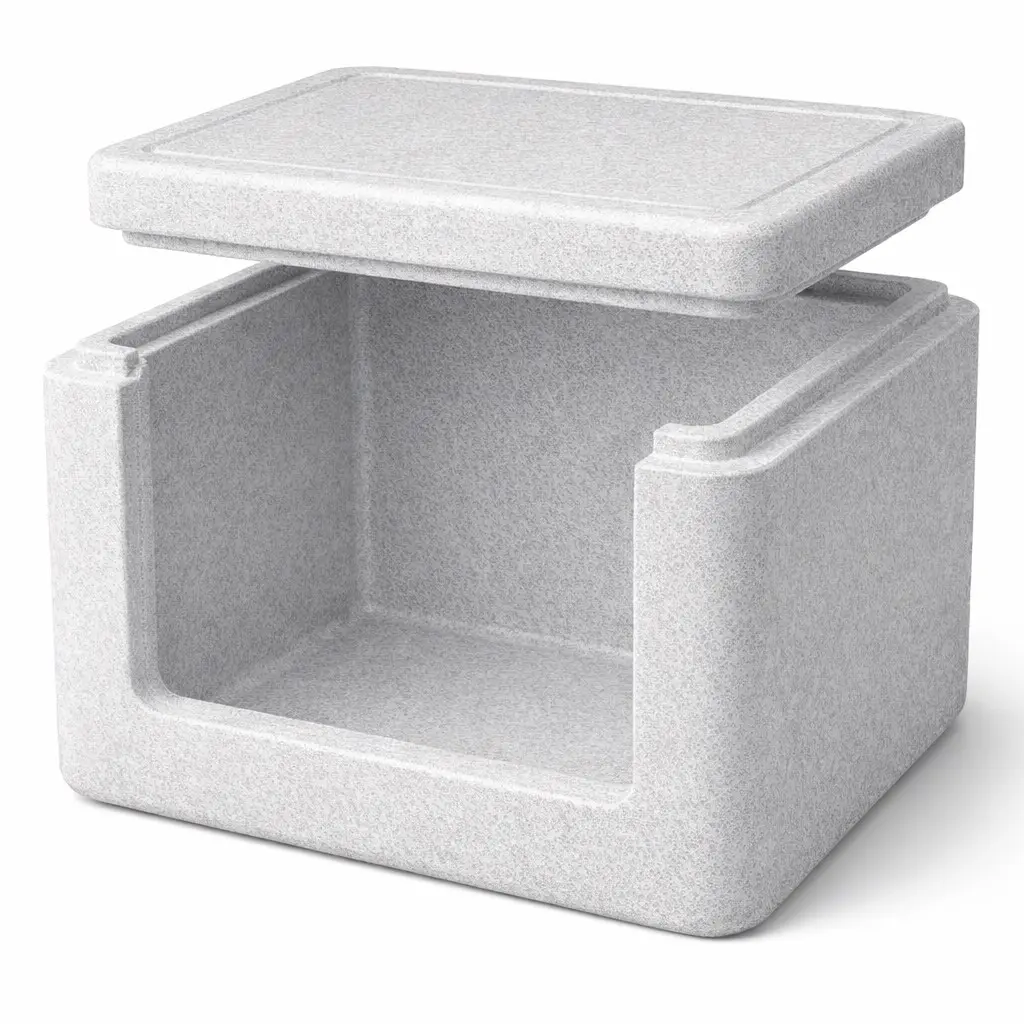
Medical supplies often need careful handling long before they reach a clinic, hospital, laboratory, or patient. Certain diagnostic materials, biological samples, vaccines, and other healthcare products can be affected by exposure to unsuitable temperatures. During transportation, conditions may change as packages move between storage rooms, vehicles, distribution centers, and receiving facilities. Appropriate temperature-control equipment helps healthcare providers manage these risks and maintain better oversight of sensitive shipments.
A purpose-selected Medical Ice Box can provide an insulated enclosure for transporting temperature-sensitive medical items. When paired with the correct cooling materials, validated packing procedures, and suitable monitoring equipment, it can help maintain the conditions required for a particular shipment. The right solution depends on the product, its specified temperature range, the journey duration, and the handling requirements throughout the delivery process.
1. Helps Protect Sensitive Medical Products
Some healthcare products have defined storage and transportation limits. Exposure to excessive heat or freezing conditions may affect their quality, stability, or suitability for use. These requirements vary significantly between products, so a single cooling arrangement should not be assumed appropriate for every medical shipment.
An insulated medical transport container slows the movement of heat between its interior and the surrounding environment. This provides a degree of protection against short-term external temperature changes. Its performance depends on the insulation, lid construction, cooling materials, package arrangement, and ambient conditions.
Healthcare organizations should always follow the manufacturer’s storage instructions and applicable transport guidelines for each product.
2. Supports Organized Medical Transportation
Medical deliveries may contain several types of supplies that need to be identified and handled correctly. A dedicated container helps create a defined space for the shipment and can make packing procedures more consistent.
Individual products should remain in their original packaging or appropriate protective packaging. Labels and documentation should identify the contents, required handling conditions, and destination where applicable. Separating different products can also reduce the possibility of confusion or accidental damage.
For healthcare facilities that send frequent deliveries, standardized container sizes and written packing instructions can help staff prepare shipments more efficiently.
3. Works With Suitable Cooling Materials
An insulated box does not create cold temperatures by itself. It must be used with a cooling system selected for the shipment’s requirements.
Depending on the product and approved procedure, this may involve conditioned gel packs, phase-change materials, or other temperature-control elements. The number, placement, and preparation of cooling materials matter. Incorrect placement can expose products to freezing or excessive cooling, even when the intention is to protect them from heat.
Staff should follow product-specific packing instructions and avoid direct contact between cooling elements and sensitive items unless the procedure specifically permits it.
4. Temperature Monitoring Improves Oversight
Visual inspection cannot confirm whether a medical shipment remained within its required temperature range. A container may appear undamaged even if its contents experienced an unsuitable temperature during transit.
Temperature monitoring devices provide more useful information. Depending on the application, organizations may use temperature indicators, data loggers, or other monitoring systems. Devices should be suitable for the required measurement range and used according to their instructions.
Recorded temperature information can support shipment review and help staff investigate possible excursions. Clear procedures should explain what to do when monitoring identifies a problem.
5. Construction and Hygiene Matter
Medical transport containers may be used repeatedly, so their physical design should support regular handling and maintenance. Important features include a secure lid, durable walls, reliable handles, and internal surfaces that can be cleaned according to the manufacturer’s instructions.
Before reuse, staff should inspect the container for cracks, damaged closures, worn insulation, or other defects that could affect performance. Cleaning and disinfection requirements depend on the type of medical material being transported and the organization’s infection-control procedures.
A container used for one category of medical shipment should not automatically be repurposed for another without reviewing compatibility and cleaning requirements.
6. Choosing a Suitable Medical Ice Box
Selection should be based on documented requirements rather than appearance alone. Consider the following:
- Temperature range: Identify the exact conditions required by the transported product.
- Capacity: Allow sufficient room for products, protective packaging, and cooling materials.
- Journey duration: Consider expected transit time and possible delays.
- Insulation performance: Review test information relevant to the intended operating conditions.
- Monitoring compatibility: Ensure the design accommodates the required temperature-monitoring equipment.
- Handling and maintenance: Check durability, closure quality, cleaning instructions, and ease of use.
For regulated healthcare products, packaging qualification and documented transport validation may be required. An ordinary insulated container should not be assumed to meet pharmaceutical or clinical compliance standards.
Conclusion
Medical ice boxes can support the transportation of temperature-sensitive supplies by providing insulation and a structured packing environment. Their effectiveness depends on matching the container and cooling method to the specific medical product, using suitable temperature monitoring, and following established handling procedures. With careful selection and documented processes, healthcare organizations can improve control over sensitive deliveries and identify potential problems more effectively.






Post Comment