Hydrant Fire: Essential Components of Reliable Fire Hydrant Systems
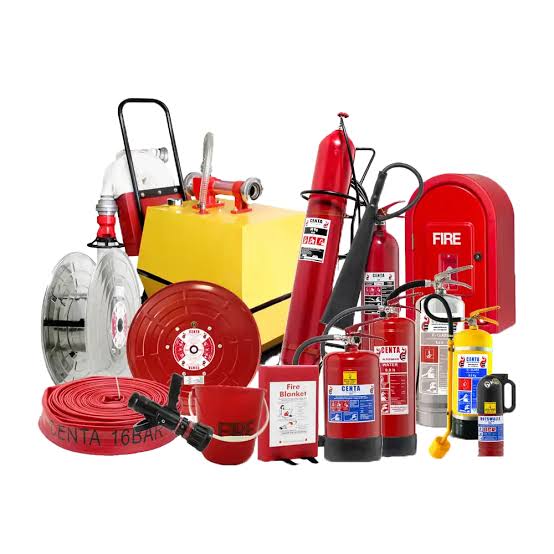
Fire hydrants provide access to a water supply for firefighting operations, but a visible hydrant is only one part of a functioning installation. The system behind it must deliver adequate water under the required conditions, and its valves, pipework, connections, and supporting infrastructure must remain serviceable. Whether installed on public streets or within private premises, hydrants need to be selected, positioned, tested, and maintained as part of a coordinated fire protection plan.
The phrase Hydrant Fire is commonly associated with fire hydrants and the equipment used to access water for firefighting. A hydrant system may include the hydrant body, operating valve, underground or above-ground pipework, water supply, outlets, caps, and compatible hose connections. The exact arrangement varies by location and system type. Design and maintenance must follow the applicable local standards, water authority requirements, and fire protection engineering specifications.
The water supply comes first
A hydrant is useful only when its connected supply can provide the flow and pressure required by the system design. Water may be supplied through a municipal network, a dedicated fire water tank, pumps, or a combination of these arrangements. The required capacity depends on the building, site, hazard, and applicable fire safety criteria.
Designers must consider demand from the number of outlets expected to operate, pipe dimensions, elevation, and friction losses. The available supply should be verified through appropriate testing and system calculations. A hydrant’s external condition does not reveal whether the connected network can meet the required performance.
Main hydrant components
The hydrant body provides the external access point and houses or connects to the operating arrangement. Depending on the design, outlets allow firefighting hoses or appliances to be attached. Caps protect outlets from dirt, moisture, and physical damage when the hydrant is not in use.
Valves control the water supply, while underground fittings and pipework connect the hydrant to the wider network. Some installations include drainage features intended to reduce retained water and help protect components in particular climates. The arrangement should be understood from the approved drawings and the manufacturer’s documentation.
Above-ground and underground designs
Above-ground hydrants are visible and generally provide accessible outlets at ground level. Their position must allow responders to approach and connect equipment without obstruction. They may need protection from vehicle impact or other site hazards.
Underground hydrants are installed below ground and accessed through a chamber or dedicated fitting. Their accessibility depends on clear covers, suitable operating equipment, and adequate space around the installation. Both types require clear identification and a maintenance plan suited to their construction and environment.
Outlet compatibility and connections
Hydrant outlets must match the couplings and appliances used by the local fire service or facility response team. Connection standards may differ between regions and systems, so outlet size, thread, coupling profile, and sealing method should be confirmed before procurement.
Protective caps should fit correctly and remain removable when required. Damaged threads, missing caps, or incompatible adapters can delay connection. Any conversion fittings should be approved for the system and stored where they can be located without confusion.
Location and access planning
Hydrants should be positioned according to the site’s fire protection design and applicable requirements. Their location needs to support access for firefighting vehicles and personnel while avoiding obstruction by parked vehicles, landscaping, construction materials, or stored goods.
Signage and location records can help responders identify hydrants quickly. Site plans should be kept current when roads, buildings, or landscaping change. Any proposed relocation should be reviewed by the responsible fire protection designer and relevant authorities.
Inspection, testing, and maintenance
Routine checks should look for corrosion, physical damage, leakage, blocked access, missing caps, damaged outlets, and signs of unauthorized interference. Operating tests and flow measurements should be performed by qualified personnel using approved procedures. Testing can reveal problems with the hydrant itself or with the connected water supply.
Maintenance records should document the hydrant’s location, inspection dates, test results, defects, and corrective work. Seasonal requirements, such as protection against freezing, should be addressed where relevant. Defective equipment should be clearly identified and reported so that users do not assume it is operational.
Reliability depends on the entire network
A hydrant system is effective only when its water source, pipework, valves, outlets, connections, and access arrangements work together. Proper design, compatible fittings, verified performance, and scheduled maintenance support dependable availability. Treating each hydrant as part of a wider water supply network helps property owners and authorities maintain a more reliable foundation for firefighting operations.






Post Comment