Grooved Type Butterfly Valve Solutions for Efficient Pipe Assembly
Industrial pipe assembly requires a balance between installation efficiency, mechanical reliability, and compatibility with the selected piping components. Connection methods can affect the time required to construct a network, the tools used by installers, and the procedures needed for maintenance or replacement. For projects involving extensive pipework, a connection arrangement that suits the construction programme may contribute to a more organised installation process.
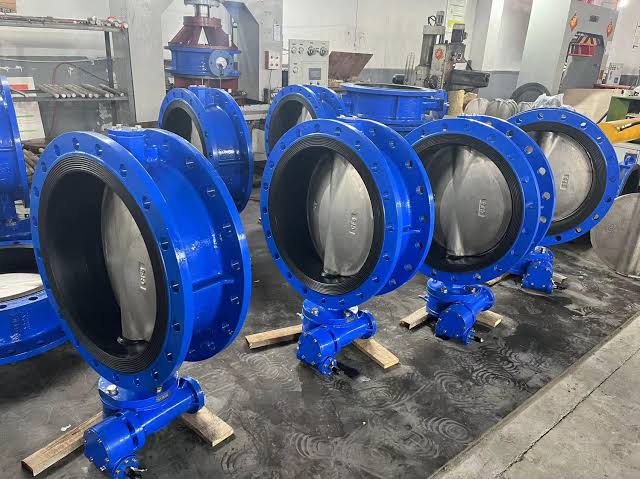
A Grooved Type Butterfly Valve may be considered where the pipeline uses compatible grooved connections and the valve’s operating characteristics meet the project requirements. Grooved valve arrangements are designed to connect through specified mechanical coupling systems, while the butterfly disc provides the flow-control mechanism. The complete connection and valve specification should be checked before installation.
The Grooved Pipe Connection
Grooved pipe ends are prepared with a groove that engages with a compatible coupling. Depending on the system design, the coupling may include a housing, gasket, and fasteners that secure the connection.
This arrangement can support pipe assembly using a defined mechanical procedure. However, the groove dimensions, coupling type, gasket, pipe material, and pressure rating must be compatible.
Grooved systems are not automatically interchangeable. The installer should use the components specified for the pipeline and follow the coupling manufacturer’s instructions.
How the Butterfly Valve Functions
A butterfly valve contains a rotating disc that changes the flow passage within the pipeline. The disc movement may provide isolation or selected flow-control functions, depending on the valve design.
Operating mechanisms can include handles, gearboxes, or actuators. The choice depends on valve size, operating frequency, accessibility, and whether remote operation is required.
The valve’s pressure rating, flow characteristics, operating torque, and shutoff performance should be confirmed against the application. Connection convenience does not replace the need for appropriate engineering selection.
Why Grooved Connections May Support Efficient Assembly
Grooved connection systems may offer practical advantages where compatible components are used and the installation procedure is well organised.
The assembly method can be useful for projects involving repeated connections or piping arrangements where maintenance access is important. Installers should be trained in pipe-end preparation, gasket positioning, coupling assembly, and the required tightening procedure.
The time needed for installation depends on the project, component design, crew experience, access, and the tools available. Contractors should avoid assuming a particular labour saving without evaluating the actual work conditions.
Applications in Industrial Piping
Grooved butterfly valves may be used in selected water distribution systems, industrial utility networks, equipment connections, and other piping applications where the connection method is suitable.
The application determines the required valve materials, pressure rating, and operating mechanism. Water systems may have different material requirements from chemical processes, while outdoor installations may require additional attention to environmental exposure.
If the valve is intended for fire-protection service, it must meet the relevant approvals and system specifications. General grooved construction does not automatically make a valve suitable for that purpose.
Confirm Connection Compatibility
Before installation, verify the pipe groove dimensions, coupling specifications, gasket material, valve-end configuration, and pressure rating.
The installer should inspect the pipe ends and valve connections for damage or contamination. The coupling should be assembled according to the approved procedure, with correct gasket placement and tightening.
The valve should be aligned properly within the pipeline. Excessive stress or unsuitable positioning may affect the connection or valve operation.
Positioning and Operating Clearance
The valve’s operating mechanism needs sufficient space. A manual handle requires room for movement, while a gearbox or actuator may need additional clearance for operation and maintenance.
Designers should consider the complete assembly, including the coupling, nearby pipe supports, equipment, and access routes. The valve should remain accessible for inspection and servicing.
Maintenance and Component Replacement
Maintenance personnel should inspect the valve for external leakage, corrosion, operating problems, and signs of damage. Grooved connection components should also be checked according to the manufacturer’s requirements.
If the valve needs to be removed, the pipeline must be isolated, depressurised, and made safe. Couplings and replacement components should match the approved specifications.
The valve’s internal components should be maintained according to the manufacturer’s procedures, and any replacement parts must be compatible with the original design.
Supporting an Organised Assembly Process
Grooved butterfly valves can provide a practical option for compatible piping projects where the connection system supports the planned installation method.
Their potential assembly advantages depend on correct component selection, trained installers, suitable tools, and adherence to the manufacturer’s procedures. By coordinating the valve, coupling, pipeline, and maintenance requirements, project teams can build pipe systems that are easier to assemble and manage over time.








Post Comment