How an Interior Designer in Cheshire Can Transform Everyday Living Spaces
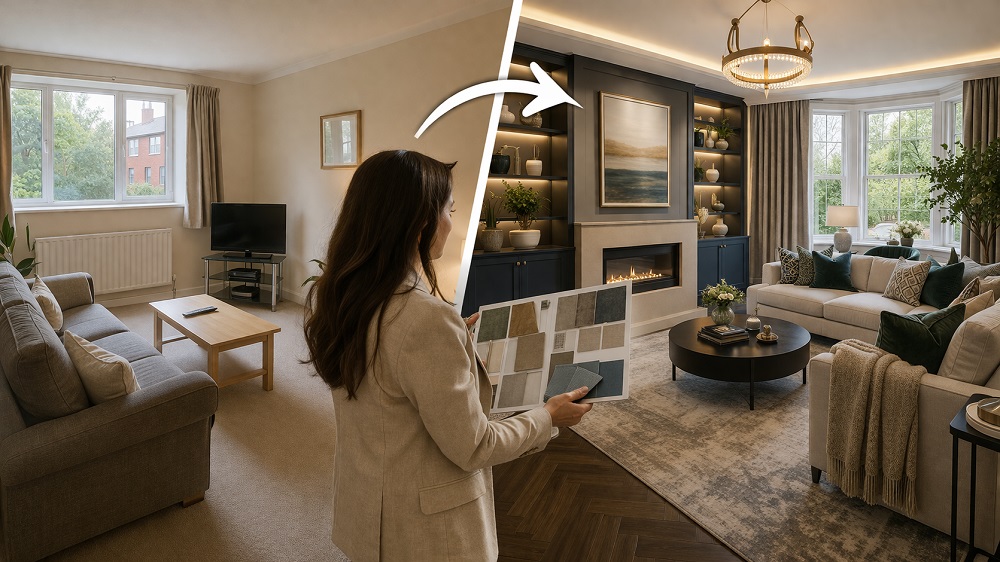
Most homes do not fail because of poor taste. They fail because small decisions do not connect. A sofa sits well on its own. Lighting works in isolation. Storage seems adequate at first. Yet when these elements come together, the space feels unsettled. Something does not flow.
This disconnect is often misunderstood as a style issue. It is not. It is structural.
Rooms are used in patterns, not moments. People move through them, pause in them, leave them, and return. If layout, lighting, and function do not align with that movement, the space starts to resist daily life. This is where design stops being decorative and becomes practical.
An interior designer in Cheshire approaches this differently. Instead of selecting items first, they begin with behaviour. How the room is used. When it is busiest. Where friction appears. These observations shape decisions that go far beyond appearance.
Consider circulation. In many homes, pathways are treated as leftover space. Furniture is placed, and movement adapts around it. Over time, this creates subtle tension. People adjust their steps. Corners feel tight. The room becomes something to navigate rather than use.
By reworking layout with intention, that tension disappears. Furniture placement starts to support movement rather than interrupt it. The change is not dramatic, yet it alters how the space feels every day.
Lighting introduces another layer. Most homes rely on a single source per room. It works, but only in a limited way. Bright when it should be soft. Flat when it should have depth. Over time, this affects how comfortable the space feels.
A more structured approach breaks lighting into layers. Ambient, task, and accent lighting work together, each serving a purpose. The result is not just better visibility. It creates flexibility. The same room can support different moods without requiring major changes.
Storage is often treated as a problem to solve later. Items accumulate, and solutions are added in response. This reactive approach leads to clutter, even in well-designed homes. The issue is not the number of items. It is the absence of planned storage from the beginning.
When an interior designer in Cheshire integrates storage into the design, it becomes part of the structure. Hidden compartments, built-in units, and intentional placement reduce visual noise. The room feels clearer, even when it holds the same number of objects.
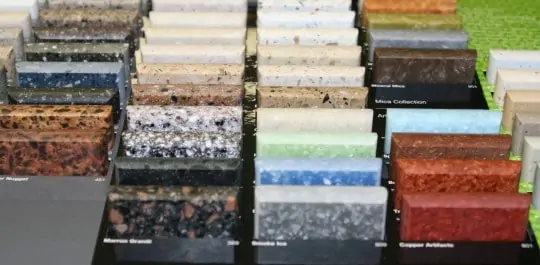
Material choice also plays a role that is easy to overlook. Surfaces are not only visual elements. They affect maintenance, durability, and long-term usability. A finish that looks appealing may not suit the way a space is used daily.
Design decisions at this level consider wear patterns, cleaning requirements, and how materials age over time. This prevents the gradual decline that many interiors experience after initial completion.
At a broader level, the transformation of everyday spaces often comes from aligning these elements rather than improving them individually. Layout, lighting, storage, and materials must operate together. When they do, the space begins to feel coherent.
There is also a shift in how priorities are set. Instead of asking what looks good, the question becomes what works consistently. A visually striking feature may attract attention, but if it disrupts daily use, its value decreases over time.
This is where the role of an interior designer in Cheshire becomes more strategic. They assess trade-offs. A larger seating area might reduce movement space. Additional storage might affect visual balance. Each decision is weighed against how the space will actually function.
Over time, these decisions shape how the home supports its occupants. Small improvements accumulate. Movement becomes easier. Lighting adapts to different needs. Clutter reduces without constant effort. The space begins to respond rather than resist.
The effect is not immediate in a dramatic sense. It is gradual, almost quiet. Yet it changes how the home is experienced every day. What once felt slightly off becomes stable. What required adjustment becomes natural.
This is the transformation that often goes unnoticed at first. Not because it lacks impact, but because it removes friction so effectively that the space simply works.



Post Comment