Installation and Fabrication Guidelines for KKR Solid Surface Products
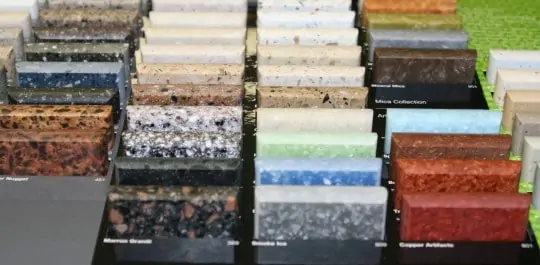
Solid surface materials are widely used in modern construction and interior design because of their durability, seamless appearance, and versatility. From kitchen countertops and bathroom vanities to commercial reception desks and wall panels, these materials provide a reliable and aesthetically pleasing solution for many applications. However, achieving the best performance and visual results requires proper installation and fabrication practices. Following recommended guidelines ensures that the material maintains its structural integrity, appearance, and long-term durability.
Before beginning any installation project, it is important to understand the characteristics of the material being used. Solid surface sheets are typically composed of natural minerals and acrylic or polyester resins, creating a non-porous and uniform structure. Proper handling, cutting, and joining techniques help preserve these qualities during fabrication and installation. Many professionals rely on materials such as KKR Solid Surface because they are designed to support precise fabrication and seamless installation. When installers follow proper procedures, they can create smooth surfaces, invisible joints, and durable structures suitable for both residential and commercial environments.
Table of Contents
TogglePreparation Before Installation
Successful installation begins with proper preparation. Fabricators and installers must ensure that all materials are stored and handled correctly before they are used in a project. Solid surface sheets should be kept in a clean, dry environment and stored flat to prevent warping or deformation.
Another important step is accurate measurement and planning. Before cutting the material, installers should carefully measure the installation area and prepare detailed fabrication drawings. This step ensures that each component fits correctly and minimizes material waste.
In addition, the supporting structure must be inspected before installation begins. Cabinets, frames, or substrates should be level, stable, and capable of supporting the weight of the solid surface components. An uneven or unstable base can cause stress on the material and lead to cracks or joint failures over time.
Cutting and Shaping Techniques
Fabrication of solid surface materials typically involves cutting, shaping, and edge profiling. Professional fabricators use specialized woodworking tools such as circular saws, routers, and CNC machines to achieve precise results.
When cutting solid surface sheets, it is important to use sharp blades designed for composite materials. Clean cuts reduce the need for additional finishing and help maintain the integrity of the material. Fabricators should also ensure proper ventilation and dust collection systems to maintain a safe working environment.
Shaping the material allows installers to create customized designs that fit specific project requirements. For example, edges can be rounded, beveled, or shaped into decorative profiles. This flexibility enables designers to achieve a wide range of visual styles, from minimalist modern surfaces to more decorative architectural elements.
Seamless Joint Installation
One of the most distinctive features of solid surface materials is the ability to create seamless joints. Unlike traditional materials such as stone or laminate, solid surface sheets can be joined using color-matched adhesives that create nearly invisible seams.
To achieve a seamless result, the edges of the sheets must be perfectly aligned and properly prepared before adhesive is applied. Fabricators typically sand or machine the joining edges to ensure a smooth and precise connection.
After the adhesive cures, the joint area is sanded and polished to blend with the surrounding surface. When done correctly, the seam becomes almost invisible, creating a continuous surface that enhances both the appearance and hygiene of the installation.
Thermoforming and Custom Fabrication
Solid surface materials can also be thermoformed, which means they can be heated and bent into curved shapes. This capability allows designers and fabricators to create unique structures such as curved reception desks, integrated sinks, and sculptural wall panels.
During the thermoforming process, the material is heated to a specific temperature that makes it flexible without damaging its structure. Once it becomes pliable, it can be shaped using molds or forms. After cooling, the material retains its new shape while maintaining its strength and durability.
This technique expands the range of design possibilities and allows architects to incorporate creative shapes that would be difficult or impossible to achieve with traditional materials.
Sanding and Finishing Procedures
After fabrication and installation, proper sanding and finishing are essential to achieve the desired surface appearance. Solid surface materials can be finished with matte, semi-gloss, or high-gloss finishes depending on the project requirements.
The finishing process usually involves multiple sanding stages using progressively finer abrasive pads. Each stage removes small surface imperfections and creates a smooth, uniform texture. For glossy finishes, additional polishing steps may be required to achieve the desired level of shine.
Proper finishing not only improves the visual quality of the surface but also helps ensure that the installation blends seamlessly with surrounding design elements.
Maintenance Considerations After Installation
Although solid surface materials are known for their durability and low maintenance requirements, proper care after installation helps extend their lifespan. Routine cleaning with mild soap and water is usually sufficient to maintain the surface.
Because the material is non-porous, it resists stains and moisture penetration. However, using cutting boards and avoiding excessive heat exposure can help protect the surface from potential damage.
One of the advantages of solid surface materials is their repairability. Minor scratches or surface marks can often be removed through light sanding and polishing, restoring the original appearance without replacing the entire surface.
Conclusion
Proper installation and fabrication are essential for achieving the full benefits of KKR solid surface products. By following recommended guidelines for preparation, cutting, joining, and finishing, installers can create durable and visually seamless surfaces suitable for a wide range of applications.
From residential kitchens to large commercial installations, careful fabrication ensures that the material performs reliably over time. With the right techniques and professional craftsmanship, KKR solid surface materials can deliver long-lasting performance, modern aesthetics, and design flexibility in a variety of architectural environments.




Post Comment