M8 Connector Selection Guide for Sensors and Actuators
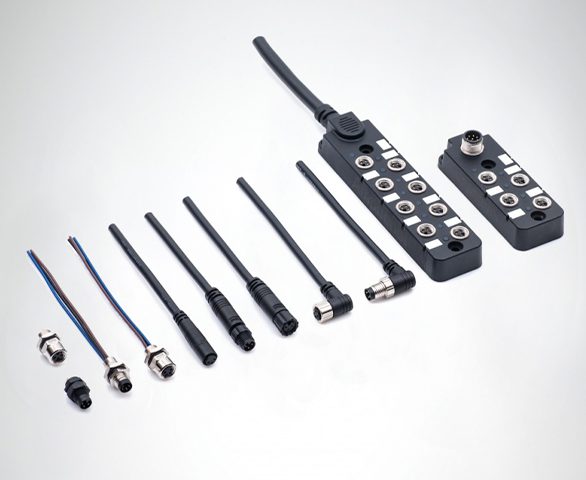
Selecting the right connector is a critical step in designing reliable sensor and actuator systems. In industrial automation, sensors and actuators must communicate accurately and consistently with control units, often in compact and demanding environments. M8 connectors are widely used for these applications due to their small size, dependable electrical performance, and standardized design. Choosing the correct M8 connector ensures optimal signal transmission, long service life, and reduced maintenance.
M8 connectors are circular connectors with an 8 mm threaded locking mechanism, primarily designed for low-voltage and low-current applications. They are commonly used to connect proximity sensors, photoelectric sensors, and small actuators. The M8 Connector is valued for its compact footprint and secure connection, and detailed product options of the M8 Connector demonstrate how different designs support a wide range of sensor and actuator requirements.
Table of Contents
ToggleUnderstanding Application Requirements
The first step in selecting an M8 connector is understanding the specific requirements of the sensor or actuator. Consider the type of signal being transmitted, whether it is analog, digital, or a simple switching signal. Voltage and current requirements must also be evaluated to ensure compatibility with the connector’s electrical ratings.
Environmental conditions play a major role as well. Sensors and actuators may operate in environments exposed to dust, moisture, vibration, or temperature variations. Selecting a connector with appropriate environmental protection ensures reliable performance under these conditions.
Choosing the Right Pin Configuration
M8 connectors are available in various pin configurations, typically ranging from 2 to 8 pins. The number of pins required depends on the function of the sensor or actuator. Simple sensors may only need two or three pins, while more complex devices with additional functions or feedback signals may require higher pin counts.
It is important to match the pin configuration of the connector with the device’s wiring diagram. Standardized pin assignments help reduce wiring errors and ensure compatibility across different components within the system.
Connector Coding and Compatibility
Connector coding is an important consideration when selecting M8 connectors. Common coding types, such as A-coded or D-coded designs, prevent incorrect mating and ensure proper electrical connections. A-coded connectors are widely used for sensors and actuators that operate with DC power and standard signals.
Using the correct coding not only improves safety but also simplifies installation and maintenance. It ensures that connectors cannot be accidentally connected to incompatible devices, which could lead to system failure or damage.
Straight vs Right-Angle Connectors
M8 connectors are available in both straight and right-angle configurations. The choice between these options depends on installation space and cable routing requirements. Straight connectors are suitable for applications with sufficient clearance and straightforward cable paths.
Right-angle connectors are ideal for tight spaces or applications where cables need to be routed close to equipment surfaces. They help reduce cable bending stress and improve overall cable management, especially in compact sensor and actuator installations.
Cable and Material Considerations
Cable selection is closely linked to connector performance. Choose cables with appropriate conductor size, insulation material, and shielding based on the application. For environments with electrical noise, shielded cables help maintain signal integrity.
Connector housing materials also matter. Plastic housings are lightweight and cost-effective, while metal housings offer greater mechanical strength and electromagnetic shielding. The choice should align with the operating environment and durability requirements of the sensor or actuator.
Environmental Protection and Ingress Ratings
Ingress protection ratings indicate how well a connector resists dust and moisture. Many M8 connectors are rated IP67 or higher when properly installed. For sensors and actuators used in washdown areas or outdoor environments, high ingress protection is essential.
Ensure that sealing elements such as O-rings are compatible with the environmental conditions and chemicals present in the application. Proper sealing extends connector life and maintains consistent performance.
Installation and Maintenance Factors
Ease of installation and maintenance should also influence connector selection. Pre-assembled cordsets can reduce installation time and minimize wiring errors. Field-attachable connectors offer flexibility for custom installations but require careful assembly.
Consider the maintenance needs of the system. Connectors that are easy to inspect, clean, and replace help reduce downtime and improve overall system efficiency.
Conclusion
Selecting the right M8 connector for sensors and actuators involves careful consideration of electrical requirements, pin configuration, coding, environmental conditions, and installation constraints. By understanding these factors and choosing connectors that align with application needs, engineers and technicians can ensure reliable communication and long-term system performance. A well-chosen M8 connector not only enhances efficiency but also contributes to the safety and durability of modern automation systems.





Post Comment