Quality Control Standards in Water Soluble Film Manufacturing
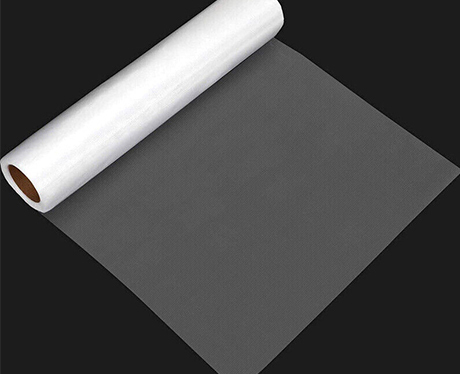
Quality control is a critical aspect of water soluble film manufacturing, as these materials are designed to dissolve precisely and reliably under specific conditions. Water soluble films are widely used in detergents, agrochemicals, pharmaceuticals, and industrial packaging, where failure in performance can lead to product loss, safety issues, or environmental concerns. Maintaining strict quality control standards ensures that every batch of film meets functional, regulatory, and customer expectations.
Unlike conventional plastics, water soluble films must balance strength during handling with rapid and complete dissolution in water. This unique requirement makes quality assurance more complex and demands a well-structured system that monitors every stage of production. From raw material selection to final packaging, manufacturers rely on standardized testing procedures and continuous process monitoring to deliver consistent and dependable products.
In modern production facilities, water soluble film manufacturers integrate quality control into the core of their operations rather than treating it as a final inspection step. This proactive approach allows potential issues to be identified early in the process, reducing waste and ensuring stable performance. By embedding quality checks throughout the production cycle, manufacturers can meet global standards while adapting films to specific customer applications.
Table of Contents
ToggleRaw Material Quality Assessment
Quality control begins with the evaluation of raw materials. Polyvinyl alcohol, the primary polymer used in water soluble films, must meet strict specifications related to purity, molecular weight, and degree of hydrolysis. Variations in these parameters can significantly affect solubility, strength, and film clarity.
Manufacturers conduct incoming material inspections to verify supplier certifications and perform in-house testing when necessary. Plasticizers and additives are also assessed for compatibility and consistency. Ensuring uniformity at this early stage minimizes variability in the final product and lays a strong foundation for reliable film performance.
Process Control During Manufacturing
During film production, continuous process control is essential. Parameters such as temperature, mixing speed, solution viscosity, and film thickness are closely monitored. Automated systems and sensors are often used to maintain consistent conditions and detect deviations in real time.
Statistical process control techniques help manufacturers track trends and identify potential problems before they affect product quality. By maintaining tight control over production variables, manufacturers can produce films with uniform mechanical properties and predictable dissolution behavior across large volumes.
Mechanical and Physical Testing
Mechanical testing is a key component of quality control for water soluble films. Finished films are tested for tensile strength, elongation, and tear resistance to ensure they can withstand handling, transportation, and packaging processes. These tests help confirm that the film will not break prematurely before use.
Physical characteristics such as thickness uniformity, transparency, and surface smoothness are also evaluated. Consistent thickness is especially important, as it directly impacts dissolution time and strength. Any deviation beyond acceptable limits can lead to product rejection or reprocessing.
Solubility and Dissolution Performance
One of the most critical quality control tests for water soluble films is solubility testing. Films are exposed to water under controlled conditions to measure dissolution time, residue levels, and behavior at different temperatures. These tests ensure that the film dissolves completely without leaving fragments or harmful residues.
Manufacturers may customize dissolution profiles based on application requirements, such as fast-dissolving films for detergents or slower-dissolving films for agricultural use. Consistent solubility performance is essential for customer confidence and regulatory compliance.
Environmental and Regulatory Compliance
Quality control standards also extend to environmental and regulatory requirements. Many industries require water soluble films to meet biodegradability, toxicity, and safety standards. Manufacturers conduct tests to ensure compliance with international regulations and industry-specific guidelines.
Documentation and traceability are vital in this area. Detailed records of raw materials, production batches, and test results allow manufacturers to demonstrate compliance during audits and respond effectively to customer or regulatory inquiries.
Packaging, Storage, and Final Inspection
Before shipment, water soluble films undergo final inspection and are packaged to protect them from moisture and environmental exposure. Quality control teams verify labeling accuracy, packaging integrity, and storage conditions to preserve film performance during transportation and storage.
Proper packaging is essential, as exposure to humidity can compromise film quality. By maintaining controlled storage environments and conducting final checks, manufacturers ensure that customers receive products in optimal condition.
Continuous Improvement and Innovation
Quality control in water soluble film manufacturing is not static. Manufacturers continually analyze data, customer feedback, and test results to improve formulations and processes. Continuous improvement initiatives help enhance product reliability, reduce defects, and support innovation in dissolvable materials.
Through rigorous quality control standards, manufacturers ensure that water soluble films deliver consistent performance, meet regulatory demands, and contribute to sustainable industrial solutions.




Post Comment