10 Important Factors to Consider When Selecting a China LED Flood Light Supplier
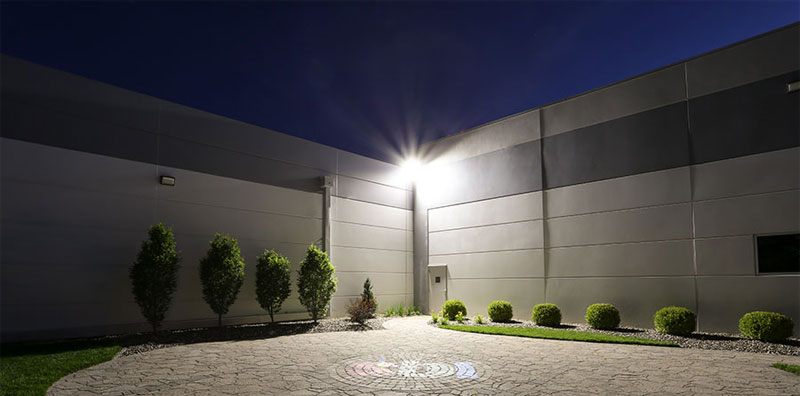
Choosing the right LED flood light supplier is essential for businesses that depend on reliable, energy-efficient lighting products. Whether you are purchasing lighting for commercial buildings, industrial facilities, sports grounds, warehouses, or outdoor infrastructure, your supplier can significantly influence product quality, project costs, and long-term performance.
With numerous manufacturers operating in China, comparing suppliers requires more than reviewing product catalogs and prices. Evaluating a company’s manufacturing capabilities, technical expertise, quality standards, and customer service is equally important. Exploring established manufacturers such as CHZ Lighting can be part of a broader sourcing process that helps buyers understand available products and assess potential business partners.
1. Manufacturing Experience and Industry Reputation
Manufacturing experience is one of the first factors to consider when selecting an LED flood light supplier. Companies with a strong background in LED lighting production are generally more familiar with product development, component selection, manufacturing processes, and industry requirements.
Research how long the supplier has been operating and whether it has specific experience producing LED flood lights. A manufacturer specializing in outdoor and industrial lighting may better understand the technical demands of these applications than a company offering only general lighting products.
You should also examine its business reputation through customer reviews, trade references, and previous project experience. Consistent feedback about product quality and dependable service can provide useful insight into its credibility.
2. Product Quality and Component Standards
Product quality directly affects the performance, reliability, and lifespan of LED flood lights. A supplier should be transparent about the components and materials used during production.
Pay attention to important components such as LED chips, power drivers, heat sinks, lenses, and housing materials. High-quality components can contribute to stable illumination, better energy efficiency, and reduced maintenance requirements.
Aluminum housings and effective thermal management designs are particularly important for outdoor flood lights because they help manage operating temperatures and protect internal components.
Request technical datasheets and product samples to evaluate construction quality before placing a large order.
3. Relevant Certifications and Compliance
Certifications and testing documentation help buyers determine whether LED flood lights meet applicable safety, environmental, and performance requirements.
Depending on the destination market and product category, relevant documentation may include CE marking, RoHS compliance, CB certification, and IP protection test reports.
For projects requiring detailed lighting performance information, ask about photometric test reports, including LM-79 reports where applicable. LM-80 reports may also provide information about the lumen maintenance of LED light sources.
Do not simply accept certification claims displayed on a supplier’s website. Request copies of relevant documents and verify that they cover the specific models you intend to purchase.
4. Product Range and Customization Capabilities
A supplier with a suitable product range can make procurement easier, particularly when your business handles different types of lighting projects.
LED flood lights are available in various power ratings, beam angles, color temperatures, mounting configurations, and housing designs. Having multiple options makes it easier to select products according to specific installation requirements.
Customization capabilities are another important consideration. Some projects may require special wattages, customized brackets, product colors, private labeling, or specific packaging.
Before choosing a manufacturer, confirm whether it can accommodate your requirements and whether customization affects minimum order quantities, costs, or production schedules.
5. Energy Efficiency and Lighting Performance
Energy efficiency is a major consideration when purchasing LED flood lights for commercial and industrial applications. Efficient products can help reduce electricity consumption and operating expenses over time.
Compare suppliers based on measurable performance specifications rather than marketing descriptions. Important details include luminous efficacy, lumen output, power consumption, power factor, color rendering index (CRI), and beam distribution.
For example, a flood light with high lumen output does not necessarily provide the best illumination for every application. Beam angle and light distribution also influence how effectively an area is illuminated.
Ask suppliers for reliable test reports and technical specifications so you can compare products based on actual performance.
6. Quality Control and Manufacturing Processes
A reliable supplier should maintain consistent quality control throughout the manufacturing process. This includes inspecting raw materials, testing electrical components, monitoring assembly, and examining finished products.
Ask about the company’s inspection procedures and whether it conducts aging tests, electrical safety checks, waterproofing tests, and functional performance assessments.
It is also worth finding out whether the supplier maintains documented quality management procedures and whether independent inspections are permitted before shipment.
Consistent testing can help identify manufacturing defects early and reduce the possibility of receiving products that fail to meet agreed specifications.
7. Pricing and Overall Cost Considerations
Pricing is an important part of supplier selection, but the cheapest quotation does not always represent the best business value.
Low-priced LED flood lights may use lower-grade components or offer limited warranty coverage. These issues can result in higher replacement and maintenance expenses later.
When comparing quotations, consider the complete cost structure, including:
- Unit prices and minimum order quantities.
- Sample and customization charges.
- Packaging and labeling expenses.
- Shipping and insurance costs.
- Import duties and other applicable charges.
- Warranty and after-sales service conditions.
Request quotations based on identical technical specifications. This makes supplier comparisons more meaningful and helps prevent misunderstandings about product quality and included services.
8. Communication and Customer Support
Clear communication is essential when purchasing products from an overseas manufacturer. Language differences, time zones, and technical requirements can create challenges if communication is inconsistent.
Evaluate how promptly the supplier responds to inquiries and whether its representatives can explain product specifications accurately. A professional supplier should provide clear quotations, realistic production schedules, and relevant technical documents.
Customer support should also continue after the order has been delivered. Before entering into an agreement, ask about technical assistance, warranty claims, defective product procedures, and replacement arrangements.
Reliable communication can make international sourcing more efficient and help businesses resolve issues without unnecessary delays.
9. Production Capacity and Delivery Reliability
A supplier’s production capacity should match your purchasing requirements. This is particularly important for businesses handling large commercial projects or placing recurring bulk orders.
Ask about manufacturing capacity, current production schedules, raw material availability, and typical lead times. These details can help you determine whether the company can meet your order requirements without affecting project deadlines.
You should also clarify shipping arrangements and delivery terms before making a payment. Discuss packaging standards, available transportation methods, shipment documentation, and responsibilities for freight and insurance.
A supplier that provides realistic delivery commitments and communicates production updates can help businesses manage inventory and procurement more effectively.
10. Warranty Policies and Long-Term Partnership Potential
The final factor is the supplier’s ability to provide dependable support throughout the product’s service life. LED flood lights are often installed in locations where replacement and maintenance can be expensive, making warranty coverage particularly important.
Review the warranty period, covered components, exclusions, and claim procedures carefully. Ask whether the supplier provides technical guidance when products experience performance issues.
You should also consider the manufacturer’s ability to maintain consistent product specifications across future orders. Changes in LED chips, drivers, or housing materials can affect product performance, even when the model number remains unchanged.
Building a long-term relationship with a dependable supplier can simplify repeat purchases, improve product consistency, and support future business expansion.
How to Make the Final Supplier Selection
After evaluating these ten factors, create a comparison of your shortlisted suppliers. Give each company a consistent assessment based on product quality, certifications, pricing, manufacturing capability, communication, and delivery performance.
Request samples from the most suitable candidates and test them against your project’s technical requirements. For larger orders, consider arranging an independent factory audit or pre-shipment inspection.
It is also important to document all agreed specifications, payment conditions, delivery schedules, and warranty terms in a written purchase agreement.
Taking these precautions can reduce sourcing risks and make the purchasing process more transparent.
Conclusion
Selecting a reliable China LED flood light supplier requires careful research and consideration of several business and technical factors. Manufacturing experience, component quality, certifications, energy efficiency, quality control, pricing, and customer support all contribute to a successful sourcing decision.
Rather than choosing a supplier based solely on a competitive quotation, evaluate its ability to deliver consistent products and dependable service over the long term. A thorough selection process can help your business control procurement costs, maintain lighting quality, and establish a stable supply chain for future projects.




Post Comment