HVAC Grilles and Diffusers: Differences, Functions, and Applications
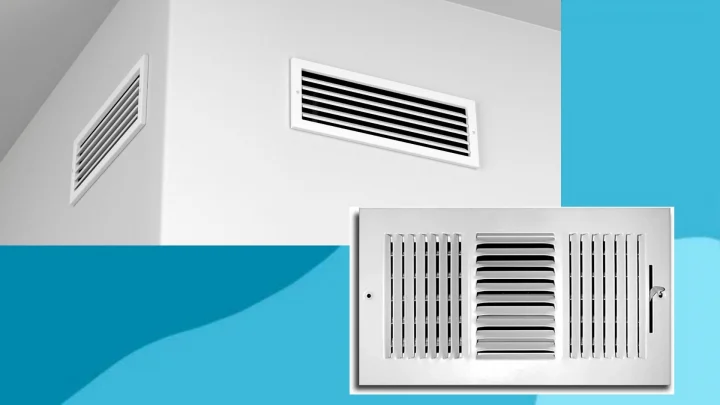
HVAC systems rely on multiple air distribution components to maintain indoor comfort, air quality, and energy efficiency. Among the most important of these are grilles and diffusers, which work together to control how air enters and exits a space. Although they are often mentioned together, they serve different functions within a ventilation system.
Understanding how hvac grilles and diffusers differ—and how they are used—helps engineers, contractors, and building owners make better design and procurement decisions for residential, commercial, and industrial HVAC projects.
Table of Contents
ToggleWhat Are HVAC Grilles?
HVAC grilles are air outlet or return components designed primarily to allow air to pass through while controlling direction and preventing debris from entering duct systems. They are commonly installed on walls, ceilings, or floors.
Key Functions of Grilles
- Allow air return or exhaust flow into duct systems
- Protect duct openings from dust and foreign objects
- Provide basic airflow direction control
- Support ventilation balance within HVAC systems
Grilles are typically simpler in design compared to diffusers and are often used where precise air distribution is not the primary requirement.
What Are HVAC Diffusers?
HVAC diffusers are designed to distribute conditioned air evenly into a space. Unlike grilles, diffusers focus on controlling airflow pattern, velocity, and direction to ensure comfort and efficiency.
Key Functions of Diffusers
- Evenly distribute conditioned air across a room
- Reduce drafts and temperature fluctuations
- Improve air mixing and indoor comfort
- Enhance HVAC system efficiency
Diffusers are essential in spaces where occupant comfort and precise air distribution are critical, such as offices, hotels, and hospitals.
Key Differences Between Grilles and Diffusers
Although grilles and diffusers may look similar at first glance, their functions and design purposes are quite different.
1. Airflow Control
- Grilles: Primarily allow air to pass through with limited control
- Diffusers: Actively distribute and shape airflow patterns
2. Application Purpose
- Grilles: Used mainly for return air or exhaust
- Diffusers: Used for supply air distribution
3. Design Complexity
- Grilles: Simple structure with fixed or adjustable blades
- Diffusers: More complex internal design for airflow diffusion
4. Comfort Impact
- Grilles: Minimal direct impact on occupant comfort
- Diffusers: Directly influence temperature balance and comfort levels
Understanding these differences ensures proper selection in HVAC system design.
Types of HVAC Grilles and Diffusers
Both grilles and diffusers come in various designs tailored to different applications and airflow needs.
Common Types of Grilles
- Fixed blade grilles
- Adjustable blade grilles
- Return air grilles
- Door transfer grilles
Common Types of Diffusers
- Ceiling diffusers
- Linear slot diffusers
- Swirl diffusers
- Jet diffusers
- Floor diffusers
Each type is selected based on airflow requirements, room size, and architectural design.
Applications in HVAC Systems
Grilles and diffusers are used across a wide range of environments, but their roles differ depending on system requirements.
Commercial Buildings
- Diffusers ensure uniform air distribution in offices and retail spaces
- Grilles handle return air circulation and exhaust functions
Residential Buildings
- Diffusers provide comfortable airflow in living spaces
- Grilles support ventilation in bathrooms, kitchens, and utility areas
Industrial Facilities
- Heavy-duty grilles manage airflow intake and exhaust
- High-capacity diffusers support large-volume air distribution
Healthcare and Hospitality
- Diffusers maintain strict airflow control for comfort and hygiene
- Grilles support ventilation balance and air quality management
Importance of Proper Selection
Choosing the right combination of grilles and diffusers is essential for HVAC system efficiency. Incorrect selection can lead to poor airflow distribution, noise issues, and energy inefficiency.
Proper selection helps achieve:
- Balanced air circulation throughout spaces
- Improved energy efficiency
- Reduced HVAC system strain
- Enhanced occupant comfort
Material and Design Considerations
Both grilles and diffusers are manufactured using materials designed for durability and performance.
Common Materials
- Aluminum for lightweight and corrosion resistance
- Steel for strength and durability
- Plastic for cost-effective residential applications
Design Factors
- Airflow pattern requirements
- Noise control considerations
- Aesthetic integration with interiors
- Installation location (ceiling, wall, or floor)
Manufacturers design these components to meet both functional and architectural needs.
Conclusion
Understanding the differences between HVAC grilles and diffusers is essential for designing efficient and comfortable air distribution systems. While grilles primarily manage air intake and exhaust, diffusers ensure controlled and even airflow into occupied spaces.
By selecting the right combination of hvac grilles and diffusers, engineers and project managers can improve system efficiency, enhance indoor comfort, and ensure reliable HVAC performance across a wide range of applications.





Post Comment