How Rural Transformers Support Reliable Electricity Distribution in Remote and Agricultural Areas
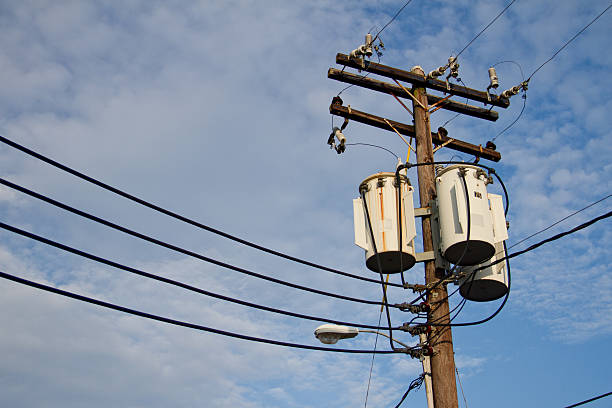
Reliable electricity is essential for rural communities, agricultural production, small businesses, and public services. From powering irrigation pumps and grain-processing equipment to supporting schools, healthcare facilities, and household appliances, a dependable electrical supply helps improve living standards and strengthen local economies. However, delivering electricity across remote areas presents challenges such as long distribution lines, dispersed consumers, harsh weather, and limited access to maintenance services.
A Rural Transformer helps address these challenges by adjusting voltage levels for safe and efficient electricity distribution across villages, farms, and remote settlements. When appropriately selected and installed, these transformers support a stable power supply, reduce unnecessary distribution losses, and help utilities extend electrical infrastructure to areas that may otherwise be difficult to serve.
What Is a Rural Transformer?
A rural transformer is an electrical transformer used to supply electricity to communities and facilities outside densely populated urban areas. It typically forms part of a distribution network, reducing medium-voltage electricity to a lower voltage suitable for homes, agricultural facilities, commercial premises, and community infrastructure.
Rural transformers may be installed on utility poles, on ground-mounted platforms, or within dedicated substations. The appropriate arrangement depends on the required capacity, local electrical standards, terrain, safety requirements, and accessibility for maintenance.
Unlike equipment serving concentrated urban loads, rural distribution transformers often supply consumers spread across large geographic areas. Their design must account for variable demand, long feeder distances, seasonal agricultural activities, and the practical challenges of operating electrical equipment in remote locations.
Why Rural Transformers Are Important for Remote Areas
Electricity distribution in rural environments requires equipment that can provide dependable service under changing operating conditions. Transformers help bridge the gap between the higher voltages used for distribution and the lower voltages required by end users.
1. Extending Electricity Access
Many remote settlements are located far from major substations and urban distribution networks. Transformers enable utilities to establish local distribution points that deliver electricity at usable voltage levels.
By placing transformers near clusters of consumers, utilities can develop distribution systems suited to local demand and settlement patterns. This can support electrification projects serving households, farms, schools, clinics, and small enterprises.
In areas where grid extension is technically or economically challenging, transformers may also form part of a hybrid system combining grid electricity with local solar generation or other distributed energy resources.
2. Supporting Agricultural Operations
Agriculture depends on electricity for a wide range of activities, including irrigation, water pumping, crop processing, refrigeration, and livestock management.
Rural transformers provide the voltage conversion needed to operate this equipment safely and reliably. Their capacity must be selected with consideration for motor starting currents, simultaneous equipment operation, seasonal demand, and the potential addition of new machinery.
Reliable electricity can help farmers improve productivity, reduce dependence on diesel-powered equipment, and maintain essential operations during critical growing and harvesting periods.
3. Improving Electricity Distribution Efficiency
Electricity distribution networks experience losses as current flows through conductors and electrical equipment. Transformers help establish appropriate voltage levels for distribution and end-use applications.
Proper transformer placement and sizing can reduce unnecessary losses across the wider network. However, overall efficiency also depends on conductor size, feeder length, loading patterns, power factor, and the condition of distribution infrastructure.
Utilities should evaluate the entire network when planning improvements rather than relying on transformer replacement alone.
4. Strengthening Rural Businesses and Public Services
Small manufacturing facilities, agricultural storage centers, workshops, retail businesses, and food-processing operations all depend on a stable power supply.
Rural transformers help deliver electricity to these facilities while supporting the operation of essential public services. Clinics need electricity for lighting, refrigeration, diagnostic equipment, and communications, while schools may rely on power for computers, lighting, and other learning resources.
A well-planned distribution network can therefore contribute to economic development and improve access to important community services.
Common Types of Transformers Used in Rural Distribution
Different rural locations require different transformer configurations. Selection depends on electrical demand, installation space, environmental conditions, network design, and maintenance capabilities.
Pole-Mounted Distribution Transformers
Pole-mounted transformers are widely used in overhead distribution networks serving villages, farms, and dispersed residential areas. They are installed on utility poles or suitable support structures, allowing electricity to be distributed without requiring a separate ground-level transformer enclosure.
Their elevated installation can help reduce the risk of unauthorized contact, although appropriate clearances, structural design, grounding, and public safety measures remain essential.
Pole-mounted units are often suitable for relatively modest distribution loads where overhead lines are practical and accessible.
Pad-Mounted Transformers
Pad-mounted transformers are installed on ground-level concrete pads and enclosed within protective cabinets. They are commonly used in underground distribution networks, planned rural developments, agricultural facilities, and locations where overhead transformer installations are unsuitable.
The enclosure helps restrict access to energized components and provides a defined installation area. Proper site planning must account for drainage, vehicle impact protection, ventilation, fire safety, and access for authorized maintenance personnel.
Oil-Immersed Transformers
Oil-immersed transformers use insulating liquid for electrical insulation and heat transfer. They are commonly used in outdoor distribution applications because of their established designs and cooling capabilities.
For rural installations, selection should consider ambient temperatures, environmental exposure, fluid containment, fire risks, and the availability of maintenance services. Appropriate safeguards are particularly important near water sources, farmland, and environmentally sensitive areas.
Dry-Type Transformers
Dry-type transformers use solid insulation and do not rely on insulating oil for cooling and electrical insulation. They may be appropriate for indoor agricultural facilities, rural commercial buildings, workshops, or installations where liquid-filled equipment is less suitable.
Their performance depends on proper ventilation, environmental protection, loading, and installation conditions. Dust, humidity, and high temperatures must be considered when selecting a suitable enclosure and cooling arrangement.
Key Factors to Consider When Selecting a Rural Transformer
Choosing a suitable transformer requires more than estimating the present electricity demand. Engineers and utilities should consider operating conditions, network characteristics, future development, and the practical realities of rural maintenance.
Determine Load Requirements
The transformer must support the expected electrical demand without excessive heating or unnecessary oversizing. Load assessments should include household consumption, agricultural machinery, irrigation pumps, commercial facilities, and other connected equipment.
Seasonal variations are particularly important in agricultural areas. Irrigation demand may rise substantially during dry periods, while crop processing and storage can create additional peaks at different times of the year.
Engineers should also account for motor starting currents, load diversity, power factor, and anticipated future connections.
Evaluate Voltage and Network Configuration
The transformer’s primary and secondary voltage ratings must match the distribution network and the needs of connected consumers. The design should also account for phase configuration, frequency, insulation requirements, and applicable utility specifications.
Incorrect voltage selection can result in poor equipment performance, excessive voltage variation, or compatibility problems with the existing network.
Consider Environmental Conditions
Rural transformers may face extreme temperatures, heavy rainfall, dust, humidity, lightning, flooding, or corrosive conditions. These factors influence insulation selection, enclosure protection, cooling, mounting arrangements, and maintenance schedules.
In agricultural environments, equipment should also be positioned to reduce exposure to irrigation spray, chemical contamination, livestock interference, and accidental damage from farm machinery.
Assess Installation and Maintenance Access
Remote installations may be difficult to reach, especially during severe weather or seasonal road closures. Selecting equipment with suitable service intervals, readily available replacement parts, and accessible inspection points can help reduce maintenance delays.
The installation location should also allow safe access for qualified technicians and suitable lifting or transport equipment when major repairs are required.
Plan for Future Expansion
Rural communities and farms may experience increasing electricity demand as new homes, irrigation systems, processing equipment, and businesses are connected.
Planning for realistic future growth can help utilities avoid premature transformer replacement. However, oversized equipment can also increase initial costs and operating losses under light-load conditions, so expansion allowances should be based on credible demand forecasts.
How Rural Transformers Support Agricultural Productivity
Agricultural electricity demand often changes with the seasons and the type of farming practiced in a region. Transformers must be capable of supporting these changing requirements while remaining reliable throughout the year.
Irrigation and Water Pumping
Electric irrigation pumps may require substantial starting current and operate for extended periods during planting and growing seasons. Transformer capacity, voltage drop, and protective equipment must be suitable for these operating conditions.
Proper electrical design helps reduce motor starting difficulties and protects pumps from damaging supply conditions. Utilities and farm operators should also ensure that cables, control panels, and motor protection devices are appropriately rated.
Crop Processing and Storage
Grain mills, sorting systems, refrigeration equipment, and crop-processing machinery can create concentrated electrical loads. Reliable transformer performance helps these operations run consistently, particularly during time-sensitive harvest periods.
Where multiple machines operate simultaneously, load studies can help determine whether the existing transformer and distribution network have sufficient capacity.
Livestock and Farm Infrastructure
Modern farms may use electrical systems for ventilation, water supply, milking equipment, lighting, automated feeding, and temperature control. Interruptions can affect productivity and, in some cases, animal welfare.
Facilities with critical loads may require backup power, automatic transfer arrangements, or other resilience measures in addition to a properly sized distribution transformer.
Common Challenges in Rural Electricity Distribution
Rural distribution networks face several challenges that can affect transformer performance and electricity quality.
Long feeder distances can contribute to voltage drop and higher conductor losses. Appropriate conductor sizing, network planning, and strategic transformer placement can help improve voltage performance.
Overloading may occur when agricultural demand grows beyond the capacity of existing equipment. Periodic load measurements and demand forecasting help utilities identify overloaded transformers before failures occur.
Weather-related damage can result from lightning, flooding, high winds, and extreme temperatures. Suitable surge protection, grounding, mounting arrangements, and site drainage help reduce environmental risks.
Limited maintenance access can delay inspections and repairs in remote locations. Condition monitoring, planned maintenance visits, reliable spare-parts supply, and clear fault-reporting procedures can improve response times.
Unbalanced loading may occur when single-phase consumers are unevenly distributed across a three-phase network. Monitoring phase currents and redistributing loads where practical can improve performance and reduce excessive neutral current.
Maintenance Practices for Reliable Rural Transformer Operation
Regular maintenance helps extend transformer service life and reduce unexpected interruptions. The exact maintenance program depends on transformer type, manufacturer recommendations, operating conditions, and utility requirements.
Common maintenance activities include:
- Inspecting the transformer enclosure, mounting structure, bushings, and electrical connections.
- Checking for unusual noise, overheating, corrosion, physical damage, or insulating-liquid leaks.
- Monitoring load levels and investigating repeated overload conditions.
- Inspecting grounding connections and surge protection equipment.
- Testing protective devices and checking that fuses and circuit breakers are correctly specified.
- Reviewing insulation condition and conducting appropriate electrical tests at recommended intervals.
Maintenance should be performed by qualified personnel using approved isolation and electrical safety procedures. Any defects that could compromise public safety or equipment reliability should be assessed and corrected promptly.
The Role of Rural Transformers in Renewable Energy Integration
Distributed renewable energy is becoming increasingly relevant in rural electrification. Solar photovoltaic systems, small wind installations, and hybrid microgrids can help serve locations where conventional grid infrastructure is limited or expensive to extend.
Transformers may be needed to connect these resources to local distribution networks, match voltage levels, and support power exchange between distributed generation and connected consumers.
However, renewable integration requires coordinated engineering across transformers, inverters, protection systems, grounding, and network controls. Utilities must also consider reverse power flow, voltage regulation, and changing generation patterns when assessing transformer suitability.
Conclusion
Rural transformers are an essential part of electricity distribution infrastructure, helping deliver usable and dependable power to remote communities, agricultural operations, and rural businesses. By matching voltage levels to network requirements, supporting agricultural machinery, and enabling access to essential services, they contribute to both operational reliability and local economic development.
Choosing the right equipment requires careful assessment of electrical loads, seasonal demand, environmental conditions, installation access, maintenance needs, and future expansion. Combined with sound network planning and regular inspections, appropriately selected rural transformers can help improve distribution efficiency and provide reliable electricity for years to come.





Post Comment