Achieve Consistent Grinding and Effortless Brewing with an Automatic Burr Grinder for Coffee Lovers
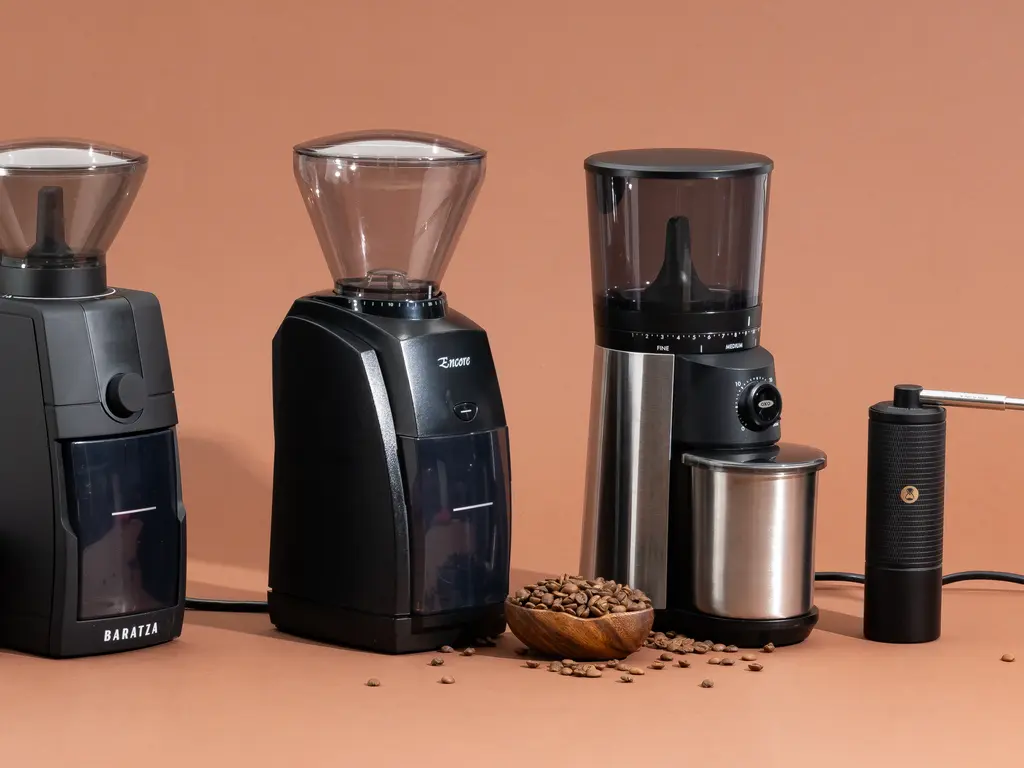
A delicious cup of coffee starts long before hot water meets the grounds. The freshness of the beans, the consistency of the grind, and the brewing method all influence the aroma, flavor, and texture of the final drink. For coffee lovers who want dependable results without spending extra time on preparation, choosing the right grinder can make a meaningful difference.
An Automatic Burr Grinder combines motorized operation with a burr-based grinding mechanism to make coffee preparation more convenient and consistent. With adjustable grind settings and straightforward controls, it helps home brewers prepare coffee for different brewing methods while reducing the effort involved in grinding beans manually.
Why Grind Consistency Matters in Coffee Brewing
Grinding coffee beans exposes the compounds inside them so that water can extract flavor during brewing. The size of the particles affects how quickly water passes through the grounds and how efficiently flavor compounds dissolve.
When the grounds are relatively uniform, extraction is generally easier to control. This can help create a balanced cup with the sweetness, acidity, bitterness, and body you prefer.
Uneven grounds can produce inconsistent results. Fine particles may release flavor quickly, while larger pieces take longer to extract. Depending on the brewing method, this imbalance can contribute to a cup that tastes overly bitter, sour, weak, or muddled.
A burr grinder helps control particle size more effectively than many basic blade grinders. This makes it a useful tool for anyone who wants to improve their coffee routine and repeat successful brewing recipes.
What Is an Automatic Burr Grinder?
An automatic burr grinder uses an electric motor to move coffee beans between two grinding surfaces called burrs. As the beans pass through the gap, they are broken down into smaller particles.
The distance between the burrs determines the approximate grind size. A finer setting produces smaller particles, while a coarser setting creates larger grounds. The exact results depend on the burr design, alignment, adjustment mechanism, and bean characteristics.
The automatic operation makes this process more convenient than manual grinding. Depending on the model, users may be able to select a grind setting, adjust the quantity, or use a timer to control grinding duration.
For people who prepare coffee every day, these features can simplify the process and make it easier to achieve repeatable results.
Automatic Burr Grinder vs. Blade Grinder
Although both appliances grind coffee beans, they use different mechanisms and offer different levels of control.
How Blade Grinders Work
A blade grinder uses rapidly rotating blades to chop beans into smaller pieces. The final particle size depends partly on how long the grinder operates and how the beans move inside the container.
These grinders can be affordable and compact, making them appealing for occasional coffee preparation. However, they may produce a wider range of particle sizes, which can make extraction less predictable.
How Burr Grinders Work
A burr grinder crushes beans between two specially shaped surfaces. Its adjustable grinding gap provides more direct control over particle size, helping produce more consistent grounds when the grinder is well designed and maintained.
Automatic burr grinders are particularly useful for people who switch between brewing methods or want to refine their coffee recipes through small adjustments.
While burr grinders often offer greater control, performance varies by model. Burr quality, alignment, retention, and the precision of the adjustment system all influence the finished grounds.
Flat Burrs and Conical Burrs Explained
Automatic burr grinders commonly use flat or conical burrs. Both designs can produce excellent coffee, and neither is automatically the best choice for every user.
Flat Burr Grinders
Flat burr grinders feature two flat, ring-shaped grinding surfaces positioned opposite each other. Coffee beans move through the space between them and are ground as they pass through the mechanism.
These grinders are often valued for precise adjustment and consistent performance. They are available in models designed for espresso as well as other brewing methods.
Their results depend on burr geometry, alignment, motor performance, and the overall quality of the grinder.
Conical Burr Grinders
Conical burr grinders use a cone-shaped inner burr and an outer burr. Beans travel through the space between the two surfaces as they are ground.
Many conical models are practical for home kitchens because they are available in compact designs and a range of price categories. Depending on the model, they can support espresso, drip coffee, French press, and other brewing styles.
When comparing these designs, focus on the grinder’s performance, adjustment range, maintenance needs, and suitability for your preferred coffee rather than relying on burr shape alone.
Choosing the Right Grind Size for Your Brewing Method
One of the main benefits of an automatic burr grinder is the ability to adjust the grind size according to your brewing equipment.
Fine Grind for Espresso
Espresso generally requires fine grounds because hot water passes through a compact bed of coffee under pressure. The grind size influences the speed of the flow and the amount of flavor extracted.
If espresso runs too quickly and tastes sour or thin, a slightly finer setting may help. If it flows too slowly or tastes excessively bitter, trying a coarser setting may improve the result.
Make small adjustments and evaluate each shot before changing other variables, such as the coffee dose or water temperature.
Medium Grind for Drip Coffee
A medium grind is a useful starting point for many automatic drip coffee makers. It allows water to move through the grounds at a suitable rate while extracting flavor from the coffee.
If the brewed coffee tastes too bitter, try grinding a little coarser. If it tastes weak or sharply sour, a finer setting may be worth testing.
The ideal setting varies with the beans, filter, machine, and brewing ratio, so use taste as your guide.
Coarse Grind for French Press
French press brewing typically uses coarse grounds because the coffee steeps in water before being separated by a metal filter.
A suitable coarse grind can help produce a full-bodied cup while limiting excessive sediment. Grounds that are too fine may make plunging difficult and create a muddy texture.
Adjust the grind and steeping time together gradually until you find a result that suits your preferences.
Medium-Fine Grind for Pour-Over
Pour-over coffee often benefits from a medium to medium-fine grind, although the ideal setting depends on the brewer, filter, pouring technique, and coffee beans.
A consistent grinder makes it easier to experiment with water flow and extraction. Once you find a setting that produces a balanced cup, recording it can help you repeat the result.
Features to Look for in an Automatic Burr Grinder
Choosing a grinder becomes easier when you consider how its features support your daily coffee routine.
Adjustable Grinding Settings
A useful grinder should offer settings that suit your preferred brewing method. If you mainly prepare drip coffee, a straightforward adjustment range may be sufficient. If you enjoy espresso and filter coffee, you may need more precise control across a wider range.
The number of settings is not the only consideration. The consistency of the grounds and the ease of making small adjustments are equally important.
Timer and Dosing Controls
Some automatic burr grinders include timers or programmable dosing features. These allow you to control how long the grinder operates or select a preferred grinding cycle.
Such functions can improve convenience, but grinding time alone does not guarantee an exact dose. Bean density, roast level, and grind settings can affect the amount produced.
For greater accuracy, weigh your beans before grinding or measure the finished grounds with a suitable scale.
Motor Performance
A reliable motor helps the grinder process beans efficiently. However, higher motor power does not automatically guarantee better coffee.
Burr design, alignment, heat management, and the grinder’s ability to feed beans consistently all affect performance. Choose a model suited to the amount of coffee you prepare rather than judging quality by motor specifications alone.
Hopper and Grounds Container
The hopper holds whole beans before grinding, while the grounds container collects the finished coffee. Their capacities should match your household’s needs.
A larger hopper can reduce the need for frequent refilling, but keeping beans exposed for long periods may affect freshness. For many home brewers, storing beans in an airtight container and grinding the amount needed for each session is a practical approach.
Make sure the grounds container is easy to remove and clean.
Build Quality and Noise Level
A stable base, durable materials, and easy-to-use controls contribute to a more pleasant experience. Consider the grinder’s dimensions, the amount of counter space it requires, and whether its noise level is appropriate for your household.
If you prepare coffee early in the morning, quieter operation may be especially important.
How to Get Better Results from Your Automatic Burr Grinder
Even a well-designed grinder works best when combined with good preparation habits. These simple steps can help improve consistency and flavor.
- Use fresh whole beans: Choose beans with a roast date when available and store them away from heat, moisture, light, and excessive air exposure.
- Grind shortly before brewing: Ground coffee loses aromatic qualities more quickly than whole beans, so grinding close to brewing helps preserve freshness.
- Measure your coffee: Using a scale makes it easier to maintain a consistent coffee-to-water ratio.
- Adjust one variable at a time: Change the grind setting gradually and taste the result before modifying other brewing factors.
- Match the grind to your equipment: Espresso, drip coffee, French press, and pour-over generally require different particle sizes.
- Keep the grinder clean: Remove accumulated coffee particles according to the manufacturer’s instructions.
- Record successful settings: Keeping notes about the beans, grind size, dose, and brewing time makes repeatable results easier to achieve.
Developing these habits helps turn grinding into a reliable part of your coffee routine rather than a daily guessing game.
Common Mistakes to Avoid
Even experienced coffee drinkers can encounter problems when using an automatic burr grinder.
One common mistake is assuming that a single setting will work for every type of coffee. Different beans and roast levels can behave differently during extraction, so occasional adjustments are normal.
Another mistake is changing several brewing variables at once. If you alter the grind size, water temperature, and coffee dose simultaneously, it becomes difficult to identify which change improved the flavor.
Neglecting maintenance can also affect performance. Coffee oils and fine particles may accumulate around the burrs and grinding chamber, potentially contributing to stale flavors or inconsistent operation.
Finally, avoid using the grinder for ingredients it was not designed to process. Grinding spices or other materials can leave persistent odors or damage the mechanism.
Following the manufacturer’s instructions helps protect the appliance and maintain reliable performance.
Maintaining Your Automatic Burr Grinder
Regular cleaning helps preserve the grinder’s performance and the flavor of your coffee. Fine grounds can accumulate in the grinding chamber, while coffee oils may build up on internal surfaces over time.
Before cleaning, switch off and unplug the appliance. Use a suitable brush or the cleaning method recommended by the manufacturer to remove loose particles from accessible areas.
Do not rinse electrical components or wash the burrs with water unless the instructions specifically permit it. Some models may require dedicated grinder-cleaning products or occasional removal of specific parts.
It is also helpful to inspect the hopper, grounds container, and adjustment mechanism periodically. If the grinder develops unusual noises or a noticeable decline in performance, consult the manufacturer’s troubleshooting guidance.
Consistent maintenance can help extend the appliance’s useful life and keep coffee preparation enjoyable.
Is an Automatic Burr Grinder Worth It for Coffee Lovers?
An automatic burr grinder can be a valuable investment for anyone who enjoys freshly ground coffee and wants more control over brewing. Its combination of motorized operation and adjustable grinding makes daily preparation easier while helping produce more consistent grounds.
Beginners can benefit from a straightforward process and the opportunity to learn how grind size affects flavor. More experienced coffee enthusiasts may appreciate the ability to fine-tune settings for different beans and brewing techniques.
Before choosing a model, consider your budget, preferred brewing method, required adjustment range, available counter space, and cleaning preferences. A practical grinder that suits your routine is often a better choice than one with features you rarely use.
Conclusion
An automatic burr grinder can make home coffee preparation more convenient while helping improve grind consistency and brewing control. By selecting the right grind size, using fresh beans, and maintaining the appliance properly, you can create a more repeatable process for your favorite coffee drinks.
Whether you prefer espresso, drip coffee, French press, or pour-over, a suitable grinder gives you greater flexibility to explore flavor and texture. Combined with careful measurements and a little experimentation, it can become an essential part of a satisfying everyday coffee ritual.




Post Comment