Understanding Quality Control Standards in Thermal Printer Manufacturing
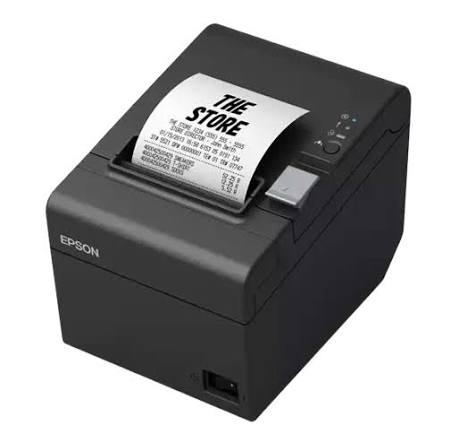
Quality control is a critical part of thermal printer manufacturing because it directly affects product reliability, printing accuracy, and operational performance. Businesses that depend on receipt printers, barcode label printers, and other thermal printing devices need equipment that can perform consistently under different working conditions. Even small manufacturing defects may lead to unclear printing, paper-feeding problems, connectivity failures, or unnecessary maintenance.
A professional Thermal Printer Manufacturer must establish clear quality control procedures throughout the production process. These procedures help identify defects, verify component performance, and ensure that finished products meet their intended specifications. Understanding the standards and inspection methods used in manufacturing can help buyers evaluate suppliers and make better purchasing decisions.
1. What Quality Control Means in Thermal Printer Manufacturing
Quality control refers to the systematic inspection and testing of products to confirm that they meet defined requirements. In thermal printer manufacturing, it covers everything from raw material selection to final product evaluation.
The process involves checking electronic components, mechanical parts, assembly accuracy, printing performance, and software functionality.
Quality control is not limited to identifying defective products at the end of production. Effective systems also focus on preventing errors during earlier manufacturing stages.
For manufacturers, this approach helps reduce waste, improve production consistency, and maintain customer confidence.
2. Understanding Quality Management Standards
Manufacturers may use internationally recognized quality management frameworks to organize their production and inspection activities.
One widely recognized framework is ISO 9001, which establishes requirements for a quality management system. It focuses on process consistency, customer satisfaction, documentation, risk management, and continuous improvement.
ISO 9001 certification does not automatically guarantee that every printer is defect-free. However, it can indicate that a manufacturer follows a documented system for managing quality-related processes.
Buyers should verify the certification’s validity, scope, and issuing organization rather than relying only on a logo or general company statement.
Other standards may apply to specific product characteristics, materials, or destination markets. The relevant requirements depend on the printer’s design and intended application.
3. Inspection of Raw Materials and Components
The quality of a finished thermal printer depends heavily on the materials and components used during production. A defective printhead, control board, sensor, motor, or roller can affect the performance of the entire device.
Manufacturers should inspect incoming components before they enter the assembly process.
Common inspection activities include:
- Checking component dimensions and specifications.
- Verifying electrical characteristics.
- Examining materials for visible damage.
- Confirming supplier documentation.
- Testing selected components when necessary.
- Checking compatibility with the printer design.
Incoming quality control helps prevent unsuitable materials from moving further into production. It also provides manufacturers with an opportunity to identify recurring supplier-related problems.
4. Quality Checks During Electronic Assembly
Thermal printers contain electronic systems responsible for controlling printing operations, communication, power distribution, and device functions.
During assembly, manufacturers need to ensure that electronic components are installed correctly and that circuit connections meet the required specifications.
Depending on the production process, inspection may involve checking solder joints, connector placement, circuit board condition, and component alignment.
Automated inspection equipment can help identify certain assembly defects, while functional electrical testing verifies whether the assembled circuits operate as expected.
Careful electronic assembly is essential because small defects may cause intermittent performance problems that are difficult to identify during ordinary visual inspection.
5. Mechanical Structure and Assembly Inspection
A thermal printer’s mechanical design affects paper movement, printhead positioning, cutting performance, and overall durability.
Manufacturers must check that mechanical components are assembled accurately and operate smoothly.
Important inspection areas include:
- Housing dimensions and alignment.
- Paper compartment design.
- Roller positioning and movement.
- Cover and latch operation.
- Cutter mechanism performance.
- Internal component fitting.
- Structural stability.
Poor mechanical alignment can cause paper jams, uneven printing, excessive wear, or difficulty replacing printing materials.
Manufacturers should therefore use appropriate measurement tools and functional checks to confirm that mechanical assemblies meet design requirements.
6. Print Quality and Accuracy Testing
Printing performance is one of the most important quality indicators for thermal printers. Businesses need readable receipts, labels, barcodes, and other printed information.
Manufacturers should test print quality using suitable media and operating settings.
Key performance checks include:
Print clarity: Text, lines, symbols, and graphics should be sufficiently clear for the intended application.
Print consistency: Output should remain uniform across the printable area without unexpected fading or uneven sections.
Barcode readability: Printed barcodes should be tested with appropriate scanning equipment to confirm that they can be read reliably.
Printhead performance: The printhead should operate correctly without missing lines or inconsistent heating patterns.
Media compatibility: The printer should work with the supported paper or label specifications.
These checks help ensure that the device can perform its intended printing tasks accurately.
7. Thermal Printhead Testing
The thermal printhead is a central component because it generates the heat required to create images on thermal media.
Its condition and performance directly influence printing quality. Manufacturers should evaluate printhead operation during product development and production testing.
Testing may involve checking heating element performance, print density, alignment, and consistency across the print area.
Manufacturers should also verify that the printer’s operating settings are suitable for the supported media.
Incorrect temperature settings, unsuitable paper, or excessive pressure may contribute to printhead wear. Proper testing and operating guidance can help reduce avoidable performance problems.
8. Paper Feeding and Cutting Mechanism Testing
Paper-handling components must operate reliably to support uninterrupted printing. Feeding problems can cause wasted materials, incomplete receipts, or incorrectly positioned labels.
Manufacturers should test how the printer loads, moves, and releases paper during normal operation.
For printers equipped with automatic cutters, the cutting mechanism should also be evaluated.
Relevant checks include:
- Smooth paper movement.
- Correct paper alignment.
- Sensor response.
- Detection of paper-end conditions.
- Cutter operation where applicable.
- Resistance to repeated operating cycles.
Testing these functions helps identify mechanical issues before products are packaged and delivered.
9. Connectivity and Software Compatibility Testing
Modern thermal printers may support USB, Ethernet, Bluetooth, Wi-Fi, or other communication interfaces. Quality control must verify that these functions operate according to the product specifications.
Connectivity testing can involve sending print commands from compatible devices and checking whether the printer responds correctly.
Manufacturers should also evaluate driver installation, supported operating systems, printing commands, and relevant software functions.
For network-connected models, testing may include communication stability and configuration procedures.
These checks are important because a printer with good mechanical and printing performance may still create operational difficulties if it cannot communicate reliably with the customer’s business system.
10. Environmental and Operating Condition Tests
Thermal printers may be used in retail counters, warehouses, factories, transportation facilities, and outdoor field operations. Their operating environments can differ significantly.
Manufacturers should identify the environmental conditions specified for each product and test relevant performance characteristics.
Depending on the printer’s intended use, evaluations may include:
- Operating temperature performance.
- Humidity tolerance.
- Vibration resistance.
- Storage condition testing.
- Power supply stability.
- Enclosure protection where applicable.
Not every printer requires the same environmental tests. A desktop receipt printer and a rugged industrial label printer may have very different design requirements.
Testing should therefore reflect the actual product specifications rather than applying identical conditions to every model.
11. Durability and Repeated Operation Testing
Thermal printers are often expected to perform repeated printing tasks throughout the working day. Durability testing helps manufacturers evaluate whether important components can withstand normal use.
Testing may involve repeated paper feeding, printing cycles, cutter operation, button usage, and other mechanical functions.
The purpose is to identify potential weaknesses before products reach customers.
For example, a printer designed for high-volume retail operations may require more demanding operational testing than a model intended for occasional office use.
Manufacturers should define appropriate test conditions and document the results to support product development and quality improvement.
12. Electrical Safety and Electromagnetic Compatibility
As electronic equipment, thermal printers may need to meet applicable electrical safety and electromagnetic compatibility requirements.
Electrical safety evaluations may cover power supplies, insulation, grounding, temperature limits, and protection against electrical hazards.
Electromagnetic compatibility testing examines whether equipment operates appropriately without causing or experiencing unacceptable electromagnetic interference.
Applicable requirements vary according to the product design and the markets where it will be sold.
Buyers should request relevant compliance documentation and verify that it applies to the specific printer model. A general company certificate should not be treated as proof that every product meets every regional requirement.
13. Final Product Inspection Before Packaging
After assembly and functional testing, manufacturers should conduct a final inspection to confirm that the finished printer is ready for shipment.
This stage may involve checking product appearance, accessories, labels, packaging, and basic operating functions.
A final inspection checklist can include:
- Confirming the correct model and configuration.
- Checking the housing for visible defects.
- Verifying included cables and accessories.
- Testing basic printing functions.
- Reviewing product labels and identification details.
- Confirming packaging protection.
- Checking the required product documentation.
Final inspection reduces the possibility of incorrect configurations or visibly damaged products reaching customers.
14. Statistical Process Control and Defect Management
Manufacturers producing thermal printers in large quantities need methods for monitoring production consistency.
Statistical Process Control (SPC) uses process data to identify variations and determine whether manufacturing operations remain stable.
For example, manufacturers may monitor dimensions, production defect rates, test failures, and other measurable characteristics.
Defect management is another important part of quality control. When a problem occurs, the manufacturer should investigate its root cause rather than simply correcting the affected unit.
Corrective and preventive actions may include revising assembly instructions, improving component inspection, retraining employees, or working with suppliers to address recurring defects.
15. Documentation and Quality Traceability
Quality documentation helps manufacturers maintain consistent procedures and investigate product problems when they occur.
Records may include incoming inspection reports, assembly checklists, test results, supplier information, and final inspection documents.
Product traceability is also valuable. Batch numbers, serial numbers, and production records can help identify when and where a particular unit was manufactured.
If a customer reports a recurring issue, traceability makes it easier to determine whether the problem is associated with a particular production batch, component supplier, or manufacturing process.
Buyers purchasing in bulk should ask whether the manufacturer maintains suitable production and inspection records.
16. How Buyers Can Evaluate a Manufacturer’s Quality Control System
Businesses should examine a supplier’s actual quality management practices before committing to a large order.
A useful evaluation process includes:
Request quality documentation: Ask about quality management certifications, inspection procedures, and relevant test reports.
Review product specifications: Confirm that the printer’s stated performance matches the business application.
Test product samples: Evaluate print clarity, paper handling, connectivity, and overall operation.
Ask about defect management: Understand how the manufacturer investigates product failures and handles corrective actions.
Check warranty arrangements: Review coverage, replacement procedures, and technical support availability.
Discuss batch consistency: Ask how the supplier maintains quality across repeated and large-volume orders.
These steps provide a clearer understanding of whether the manufacturer’s quality system is suitable for the buyer’s requirements.
Conclusion
Quality control standards are essential to thermal printer manufacturing because they help ensure that products meet defined requirements for performance, reliability, and safety. Effective systems cover every major production stage, including component inspection, electronic and mechanical assembly, printing tests, connectivity checks, durability evaluations, and final product inspection.
Businesses evaluating manufacturers should look beyond general quality claims and examine documented procedures, relevant certifications, product samples, and testing capabilities. A supplier with a structured approach to quality management is better positioned to maintain consistent production standards and support the long-term requirements of its customers.





Post Comment