How Inflatable Interactive Games Encourage Teamwork, Competition, and Active Participation
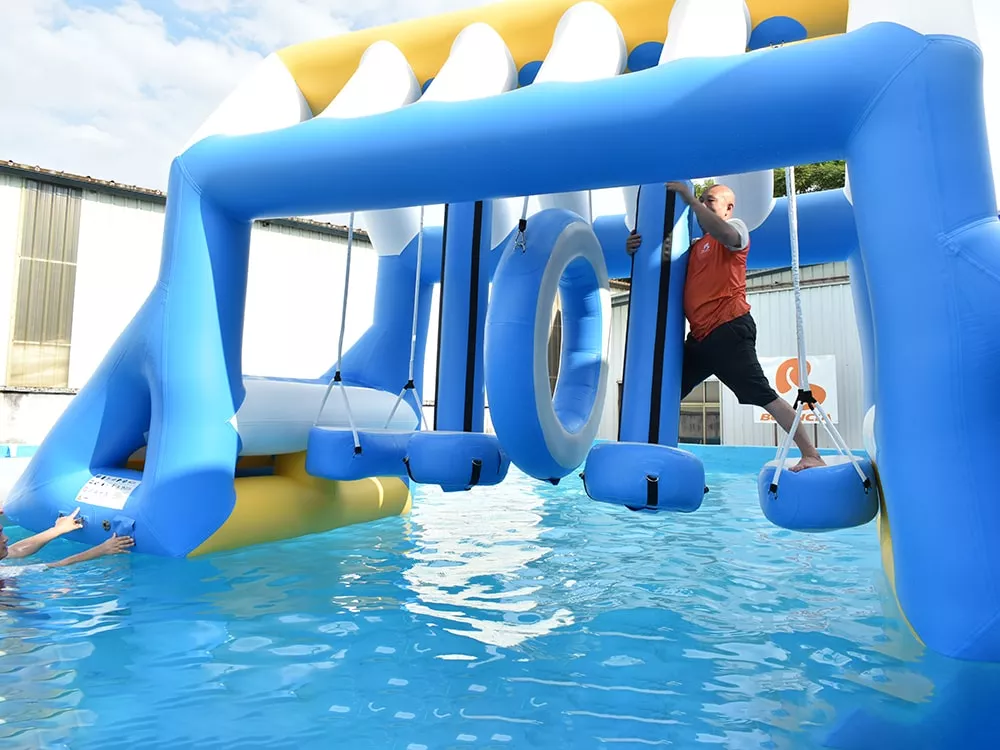
Successful events give people more than something to watch; they create opportunities to participate, connect, and have fun together. Whether it is a school sports day, corporate gathering, community festival, or family celebration, interactive activities can help bring guests together. Inflatable games are especially appealing because they turn familiar physical challenges into engaging experiences that encourage movement, cooperation, and friendly rivalry.
By choosing suitable Inflatable Interactive Games, event organizers can create activity zones where participants work toward shared goals, test their abilities, and enjoy a break from passive entertainment. With the right selection and planning, these games can help make events more energetic, inclusive, and memorable.
Encouraging Teamwork Through Shared Challenges
Teamwork develops when people communicate, coordinate their actions, and work toward a common objective. Inflatable interactive activities provide a fun setting for these behaviors because many challenges can be organized around pairs, small groups, or larger teams.
For example, team-based obstacle challenges can require participants to take turns, encourage one another, and coordinate their progress. Group competitions can also involve collecting points across several stations, giving every team member an opportunity to contribute.
These activities are particularly useful for school events, youth programs, and workplace gatherings. Participants can practice listening, sharing responsibilities, and supporting teammates without the pressure of a formal sporting competition.
Organizers can strengthen the experience by assigning simple team roles, explaining the rules before each round, and recognizing cooperation as well as winning scores.
Making Competition Fun and Engaging
Friendly competition gives participants a clear reason to try an activity and improve their performance. Inflatable basketball challenges, football target games, and other sports-inspired attractions allow guests to measure their skills through simple, understandable goals.
A scoring system can make these activities more exciting. Participants might compete to score the most baskets, hit a target accurately, or complete a challenge within a set time. Leaderboards and short tournament rounds can maintain interest throughout an event.
However, competition works best when it remains positive. Organizers should encourage fair play, respect between teams, and participation at different ability levels. Offering separate categories for age groups or skill levels can help keep challenges appropriate and enjoyable.
The objective is not simply to identify a winner. It is to create an environment where participants feel motivated to try, learn, and celebrate their achievements.
Promoting Active Participation
At many events, some guests prefer to watch rather than join traditional games. Interactive inflatable attractions can help bridge that gap by offering activities with straightforward rules and achievable objectives.
A basketball shooting station or a football accuracy challenge, for example, allows visitors to participate for a short period without committing to a full match. This format can suit festivals, open days, corporate picnics, and community celebrations where guests arrive and leave at different times.
A variety of activity types can also appeal to people with different interests. Some may enjoy testing their accuracy, while others prefer team challenges or physical obstacle activities. Providing several options increases the likelihood that more guests will find something they want to try.
Organizers should select activities that match participants’ ages and abilities, explain any restrictions clearly, and provide suitable supervision so that people can take part with confidence.
Building Communication and Social Connections
Interactive games create natural opportunities for people to talk, collaborate, and meet others. Participants often need to discuss tactics, encourage teammates, share turns, or decide how to approach a challenge.
These interactions can be valuable at corporate events, where colleagues may come from different departments and have limited opportunities to connect outside work. Team competitions can create shared experiences that make conversations easier and help employees build relationships in a relaxed setting.
At school and community events, games can encourage children and families to interact beyond their usual social groups. Mixed-team activities can introduce participants to new people while promoting cooperation and respect.
To support these benefits, organizers can rotate teams, use activities that require shared effort, and avoid formats that leave participants waiting too long between turns.
Suitable for Different Types of Events
One reason inflatable interactive attractions are widely used is their flexibility. Different games can be selected to match the event’s audience, available space, and main purpose.
School Events and Youth Programs
Schools can use interactive attractions to complement sports days, reward celebrations, and student activity programs. Team challenges encourage students to communicate, follow rules, and practice good sportsmanship.
Simple scoring games can help younger participants develop confidence, while more challenging activities may appeal to older students. Equipment should always be appropriate for the intended age group, with staff supervising use and enforcing participant limits.
Corporate Team-Building Activities
Corporate organizers can use inflatable games to introduce friendly competition into team-building sessions and employee gatherings. Groups can compete in short rounds, accumulate points across several stations, or work together to complete a shared challenge.
These formats can encourage employees to communicate and collaborate in a setting that feels different from everyday workplace responsibilities.
For the best results, select activities that are accessible to participants with varying levels of physical ability. Teamwork should be the focus, rather than athletic performance alone.
Festivals and Community Gatherings
Festivals benefit from activities that attract attention and give visitors something engaging to do between performances, food stops, and other attractions. Interactive games can create dedicated participation areas where individuals, families, and groups of friends can join in.
A mixture of short challenges and team activities can help accommodate different interests and keep the experience varied. Clear signage, visible rules, and organized queues can make the area easier to navigate during busy periods.
Birthday Parties and Family Celebrations
Family events often include guests from several age groups. Selecting a range of suitable activities can help children and adults enjoy the celebration in ways that fit their abilities and interests.
Short rounds, simple instructions, and clear turn-taking rules make it easier for guests to participate. If an attraction is intended for a specific age group, organizers should not allow other participants to use it unless the manufacturer confirms that doing so is appropriate.
Supporting Confidence and Personal Development
Participating in a new activity can help people become more comfortable trying unfamiliar challenges. Completing a target game, improving a score, or contributing to a team result provides a small but meaningful sense of achievement.
For children, these experiences can encourage persistence, coordination, and confidence. They can learn that practice makes a difference and that supporting others is just as important as winning.
Adults can also benefit from stepping outside their usual routines. Recreational competitions offer opportunities to try something new, enjoy physical activity, and interact with colleagues or community members in a relaxed environment.
Organizers can support a positive experience by celebrating effort, encouraging participants after unsuccessful attempts, and ensuring that everyone has a fair opportunity to join in.
Choosing Games That Encourage Participation
The success of an interactive game area depends on selecting attractions that fit the audience and event conditions. A game that is too difficult, too crowded, or unsuitable for the venue may discourage people from participating.
Consider these factors when planning your activities:
- Age suitability: Choose games designed for the intended participants and follow all age, height, and weight restrictions.
- Simple rules: Activities with clear objectives are easier to explain and quicker for visitors to join.
- Balanced difficulty: Offer a mix of beginner-friendly and more challenging options where appropriate.
- Participant flow: Estimate attendance and choose attractions with suitable capacity to reduce long queues.
- Available space: Account for the equipment footprint, safe clearance, waiting areas, and spectator access.
- Event objectives: Decide whether the priority is cooperation, individual skill, friendly competition, or general entertainment.
It is also useful to arrange activities in a way that encourages visitors to move between stations. A clear layout can improve circulation and make the event feel more organized.
Making Safety Part of the Experience
An enjoyable activity area must also be managed responsibly. Before the event, inspect the equipment and confirm that it is installed according to the manufacturer’s instructions. Use approved anchoring methods, check the operating surface, and ensure that power supplies and blowers are handled correctly.
Trained attendants should explain the rules, monitor participant numbers, and prevent unsafe behavior. Organizers must follow all manufacturer restrictions and stop operation if conditions become unsuitable.
For outdoor events, pay close attention to wind, rain, and other weather changes. Inflatables should only be used within their specified operating limits. Clear entry and exit routes, suitable spacing between attractions, and regular checks can further support safe operation.
Safety procedures should be easy for participants to understand. When people know what to expect, they can focus more fully on enjoying the activity.
Conclusion
Inflatable interactive games can help events become more engaging by encouraging teamwork, friendly competition, communication, and active participation. They give guests opportunities to collaborate, test their skills, build confidence, and connect with others through shared experiences.
Whether the setting is a school, workplace, festival, or family celebration, the right activities can support the event’s goals and appeal to a broad audience. By choosing age-appropriate equipment, planning the layout carefully, and maintaining effective supervision, organizers can create an interactive environment that is enjoyable, inclusive, and memorable for participants.




Post Comment