How to Select the Right Electric Skid Loader Based on Capacity, Attachments, and Terrain
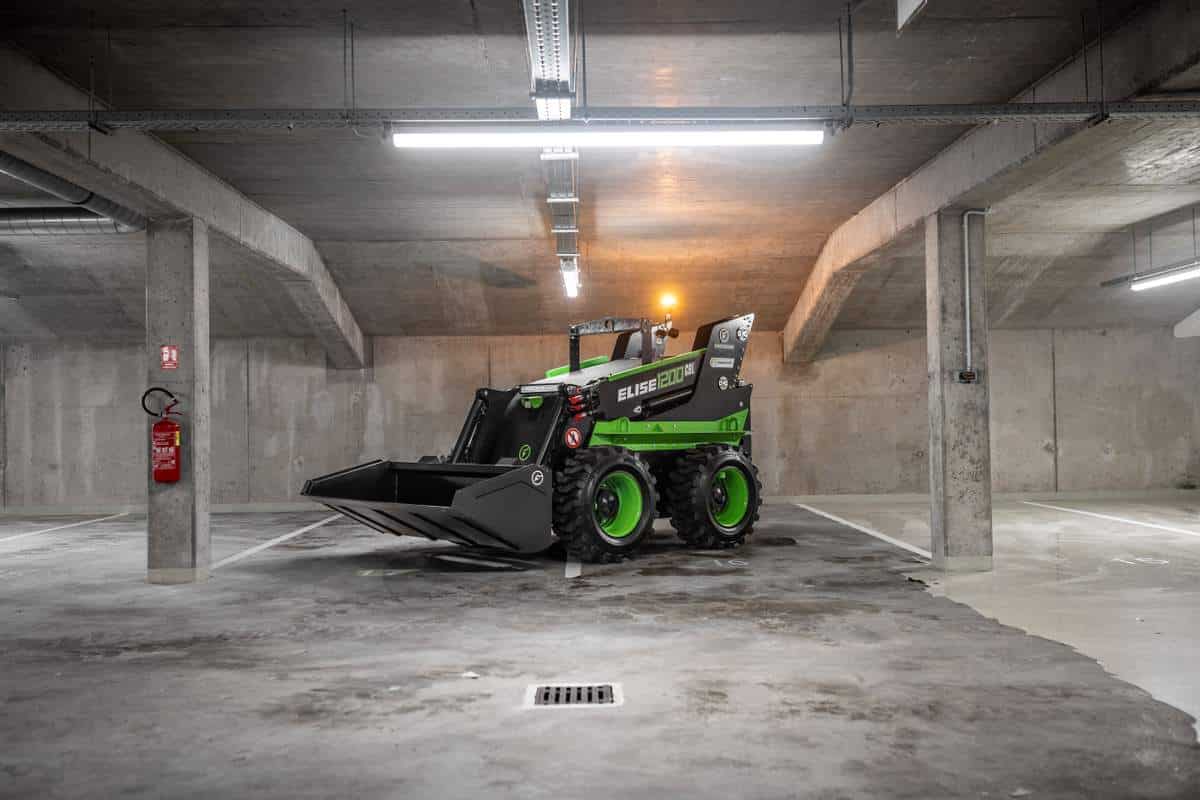
Choosing the right compact construction machine is essential for achieving reliable performance, controlling operating costs, and maintaining workplace safety. Electric skid loaders are increasingly considered for construction, landscaping, agriculture, warehousing, and industrial applications because they combine compact maneuverability with battery-powered operation. However, not every model is suitable for every job. Factors such as rated operating capacity, attachment compatibility, terrain conditions, and battery performance can significantly affect productivity.
Before investing in an Electric Skid Loader, buyers should evaluate the machine’s capabilities against their daily workload and operating environment. A model that performs well on smooth warehouse floors may not be the best choice for uneven construction sites, while a loader designed for heavy-duty material handling may be unnecessary for light landscaping tasks. Understanding the key selection criteria helps businesses choose equipment that delivers practical value over its working life.
1. Determine the Required Operating Capacity
Operating capacity is one of the most important factors when selecting an electric skid loader. The machine must be capable of lifting and transporting the materials commonly encountered during daily operations without exceeding its rated limits.
Start by identifying the typical weight of the materials you plan to move. Consider soil, gravel, sand, construction debris, palletized supplies, or other loads relevant to your work. Remember that material weight can vary considerably depending on moisture content, density, and container size.
When comparing models, review the manufacturer’s rated operating capacity and tipping-load specifications. These figures help establish the machine’s practical lifting limits, but they are not interchangeable. Actual safe capacity depends on the machine design, load position, attachment, and operating conditions.
Consider these questions before making a decision:
- What is the average weight of the materials handled each day?
- What is the heaviest load the machine may need to lift?
- How high must materials be lifted or placed?
- Will the loader work with buckets, forks, or other attachments?
- How frequently will it transport loads over the worksite?
Choose a machine that can manage typical tasks within its approved operating limits, with sufficient capacity for foreseeable variations in workload. Avoid selecting equipment based solely on its maximum advertised lifting figure.
2. Match the Machine to Your Primary Application
The right electric skid loader depends heavily on how and where it will be used. Different industries have different requirements for lifting capacity, travel speed, attachment performance, and operating time.
Construction and renovation
Construction contractors may use electric skid loaders to move materials, clear debris, prepare work areas, and support indoor renovation projects. A suitable model should offer adequate lifting capability, compatible attachments, and enough battery runtime to complete scheduled tasks.
For indoor projects, machine width, turning clearance, floor loading limits, and noise considerations are particularly important.
Landscaping and property maintenance
Landscaping operations often involve transporting soil, mulch, gravel, and plants, as well as preparing ground and cleaning work areas. Buyers should consider bucket capacity, traction, ground clearance, and maneuverability.
If the machine will work on lawns or finished surfaces, evaluate ground pressure and the potential for tire or track damage.
Warehousing and industrial material handling
Warehouses and industrial facilities may require equipment for moving supplies, handling compatible palletized loads, and cleaning designated work areas. Compact dimensions, smooth control, and suitable attachment options can be especially valuable.
Check aisle widths, entrance clearances, turning space, and floor capacity before selecting a model.
Agriculture
Farm operations may involve moving feed, bedding, soil, and other materials. Buyers should assess traction, surface conditions, attachment compatibility, and battery runtime.
If the loader will work outdoors for extended periods, consider weather exposure, temperature effects on battery performance, and access to suitable charging facilities.
3. Evaluate Attachment Compatibility
Attachments determine many of the tasks an electric skid loader can perform. Selecting a machine with suitable attachment compatibility can improve versatility and reduce the need for multiple specialized machines.
Common options include:
- General-purpose buckets: Suitable for moving loose materials such as soil, sand, and gravel.
- Pallet forks: Useful for transporting compatible palletized goods within the machine’s rated capacity.
- Grapple attachments: Designed to handle certain bulky, irregular, or difficult-to-grip materials.
- Sweepers: Helpful for cleaning compatible paved surfaces and designated work areas.
- Augers: Used for drilling holes where the machine provides the required hydraulic or electrical capability.
- Specialized attachments: May support particular construction, agricultural, landscaping, or industrial tasks.
Not every attachment works with every loader. Before purchasing, verify the mounting system, hydraulic flow and pressure requirements, electrical connections if applicable, and manufacturer approval.
Also consider how an attachment changes the machine’s effective capacity, balance, visibility, and energy consumption. Heavy or power-intensive attachments may reduce usable lifting capacity or shorten battery runtime.
If your business performs several types of work, prioritize a model that supports the attachments you genuinely need rather than paying for compatibility with equipment you are unlikely to use.
4. Choose a Model Suited to the Terrain
Terrain has a direct impact on traction, stability, travel efficiency, and overall equipment performance. A machine that works effectively on a level concrete floor may struggle on loose soil, wet ground, or uneven outdoor surfaces.
Smooth indoor floors
Warehouses, workshops, and factories typically require controlled movement on relatively level surfaces. Buyers should prioritize compact dimensions, smooth handling, suitable tires, and compliance with floor load limits.
For indoor use, confirm that the machine can operate safely around workers, stored materials, and other vehicles.
Gravel and compacted soil
Construction sites and landscaping projects frequently include gravel, packed earth, and mixed surfaces. Traction, tire selection, ground clearance, and chassis stability become more important in these conditions.
Review the manufacturer’s guidance for permitted slopes and surface conditions before operating on uneven ground.
Muddy or soft terrain
Wet soil and loose ground can increase rolling resistance and reduce traction. Depending on the machine design, tracks or appropriate tires may improve flotation and grip.
However, an electric skid loader’s suitability for muddy conditions depends on its weight distribution, undercarriage, ground pressure, and manufacturer specifications. Do not assume that every compact electric model is designed for demanding off-road work.
Slopes and uneven surfaces
Working on slopes introduces additional risks, particularly when lifting heavy loads or turning. Check the manufacturer’s operating limits and follow the recommended travel, load-handling, and slope procedures.
Never rely on advertised power or traction alone as evidence that a machine can safely handle a particular gradient.
5. Compare Tires and Tracks
The choice between wheeled and tracked configurations can influence maneuverability, traction, ground disturbance, and maintenance requirements.
Wheeled models are often suitable for firm surfaces, paved areas, and applications where efficient travel and straightforward maintenance are priorities. Tire selection should match the surface, expected load, and risk of damaging finished floors.
Tracked models, where available, may provide greater flotation and traction on certain soft or uneven surfaces. They can be useful for selected landscaping and construction applications, but tracks also have wear components and maintenance requirements.
The best configuration depends on the terrain rather than a universal performance advantage. Evaluate the surfaces you encounter most frequently, including transitions between indoor and outdoor areas.
6. Assess Battery Capacity and Runtime
Battery performance is central to selecting an electric skid loader. The machine needs enough usable energy to complete the required work without creating unacceptable downtime.
Runtime varies according to battery capacity, material weight, travel distance, hydraulic demand, attachment use, temperature, and battery condition. Heavy lifting and continuous use of power-intensive attachments can consume more energy than intermittent light-duty tasks.
When comparing models, examine:
- Battery capacity and usable energy.
- Expected runtime under realistic working conditions.
- Charging time and charger specifications.
- Availability of suitable charging outlets.
- Charging opportunities during breaks or between shifts.
- Battery warranty and replacement arrangements.
Avoid relying exclusively on ideal-condition runtime claims. Ask the supplier how performance changes under the workload you expect to encounter.
For operations that require long shifts, a well-planned charging schedule or suitable additional charging arrangements may be necessary. Charging procedures should always follow the manufacturer’s instructions and the facility’s electrical safety requirements.
7. Check Machine Dimensions and Maneuverability
A loader’s physical dimensions determine whether it can reach the work area and operate safely within the available space.
Measure narrow entrances, warehouse aisles, corridors, storage areas, and any access routes the machine must use. Include the space required for turning, lifting, unloading, and changing attachments.
Key measurements to review include:
- Overall machine width and height.
- Operating length and turning clearance.
- Ground clearance.
- Maximum lift height and reach.
- Transport dimensions, if the loader must be moved between sites.
- Weight and compatibility with the intended floor or surface.
Compact dimensions are particularly important for indoor material handling and renovation work. Nevertheless, a smaller machine should still provide sufficient capacity and stability for the intended tasks.
8. Review Hydraulic and Performance Specifications
Hydraulic capability affects how effectively a loader operates attachments and performs lifting tasks. Buyers should check the machine’s hydraulic flow, pressure, and auxiliary connections against the requirements of their preferred attachments.
Some attachments require more hydraulic power than others. If the machine cannot meet those requirements, performance may be limited or the attachment may be unsuitable.
Other specifications worth comparing include travel speed, lifting height, breakout force where applicable, control responsiveness, and rated operating capacity.
Evaluate these figures in relation to real work requirements. A machine with impressive specifications may not be the best choice if its battery runtime, dimensions, or attachment compatibility do not match the application.
9. Consider Safety Features and Operator Comfort
Safety should be a central part of the selection process, especially when a loader operates near pedestrians, in confined areas, or on uneven terrain.
Review the machine’s operator protection system, visibility, controls, emergency functions, stability guidance, and access arrangements. Check that the operator can clearly see the work area and handle attachments according to the manufacturer’s procedures.
Other important considerations include:
- Suitable warning devices and visibility aids.
- Clear operating instructions.
- Secure and convenient operator access.
- Controls appropriate to the operator’s training.
- Manufacturer guidance for slopes and load handling.
- Access to operator training and technical support.
For indoor work, pay particular attention to pedestrian separation, overhead clearance, floor strength, and emergency access. Battery-powered equipment eliminates tailpipe exhaust during operation, but it does not remove other workplace hazards.
10. Compare Maintenance Requirements and Service Support
An electric skid loader may require less routine engine-related maintenance than a comparable combustion-powered model because it does not need conventional engine oil changes or diesel exhaust-system servicing. However, it still requires scheduled inspections and upkeep.
Maintenance requirements may include checking hydraulic components, tires or tracks, electrical connections, charging equipment, attachment couplers, and safety systems. Battery condition should also be monitored according to the manufacturer’s recommendations.
Before purchasing, investigate:
- Warranty terms for the machine and battery.
- Availability of replacement parts.
- Access to qualified service technicians.
- Recommended inspection intervals.
- Battery servicing and replacement costs.
- Expected downtime for common repairs.
A dependable service network can be just as important as machine specifications, especially for businesses that rely on equipment every working day.
11. Calculate the Total Cost of Ownership
Purchase price is only one part of the overall cost of operating an electric skid loader. A more complete assessment includes energy, maintenance, charging infrastructure, replacement parts, battery-related expenses, and potential downtime.
Compare the cost of each machine over the expected period of ownership. Consider how frequently it will be used and whether its performance is appropriate for the workload.
Important cost factors include:
- Initial purchase or lease price.
- Electricity consumption.
- Charging equipment and installation.
- Scheduled maintenance and repairs.
- Attachment costs.
- Battery warranty and potential replacement.
- Operator training and downtime.
An electric model may offer operational advantages in suitable indoor environments, but the financial benefit depends on local energy prices, utilization, maintenance needs, and the performance of the specific machine. A realistic cost comparison is more useful than assuming every electric loader will automatically be cheaper to operate.
12. Use a Practical Checklist Before Buying
Before making a final decision, compare shortlisted machines against your most important requirements.
| Selection factor | What to verify |
|---|---|
| Capacity | Rated operating capacity and typical load weights |
| Attachments | Compatibility, hydraulic requirements, and mounting system |
| Terrain | Traction, ground clearance, tires or tracks, and permitted slopes |
| Battery | Usable capacity, expected runtime, and charging time |
| Dimensions | Width, height, turning clearance, and floor compatibility |
| Performance | Lift height, travel speed, and hydraulic capability |
| Safety | Operator protection, visibility, and operating procedures |
| Support | Warranty, spare parts, and service availability |
| Cost | Purchase price, energy, maintenance, and battery expenses |
Whenever possible, request a demonstration or trial using representative materials and attachments. Testing the machine in conditions similar to your actual workplace can reveal limitations that are difficult to identify from specifications alone.
Conclusion
Selecting the right electric skid loader requires a balanced assessment of capacity, attachment compatibility, terrain, battery performance, and operating conditions. The ideal model should handle everyday loads safely, work effectively on the surfaces you encounter, and provide enough runtime to meet your schedule.
Buyers should also consider machine dimensions, hydraulic capabilities, safety features, service support, and total cost of ownership. By matching these factors to the demands of construction, landscaping, agriculture, warehousing, or industrial material handling, businesses can make a more informed equipment investment.
A careful comparison of specifications, combined with a practical demonstration where possible, helps ensure that the chosen electric skid loader delivers reliable performance and long-term value.





Post Comment