Essential Design Considerations for a Wudu Basin for Muslim Users
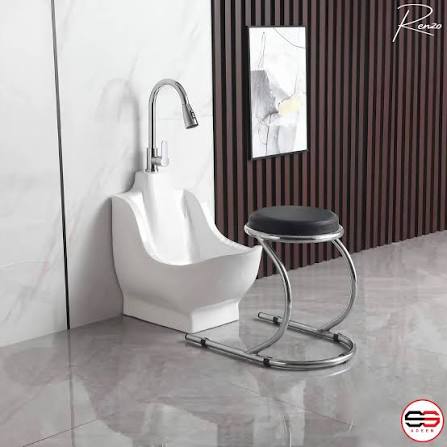
Essential Design Considerations for a Wudu Basin for Muslim Users
A well-designed wudu basin can make ablution more comfortable, convenient, and hygienic in Muslim homes, mosques, prayer rooms, and other shared facilities. Because wudu involves washing specific parts of the body before prayer, the basin should be selected according to its intended use rather than appearance alone. Factors such as height, bowl dimensions, faucet placement, drainage, and accessibility all contribute to a practical design.
When planning an ablution area, it is important to consider the needs of the people who will use it and the space available for installation. A suitable Wudu Basin for Muslim users should support comfortable washing while fitting naturally into the surrounding bathroom or prayer facility. Careful design decisions can also simplify cleaning, improve water management, and reduce long-term maintenance requirements.
1. Understand the Purpose of the Basin
The first design consideration is the basin’s intended function. A standard wash basin is generally designed for handwashing and face washing, while a dedicated wudu basin may provide additional space or features for foot washing.
Different households and facilities have different requirements. A small home may need a compact basin for regular family use, whereas a mosque may require several washing stations that accommodate many users throughout the day.
Identify the washing activities the basin must support before selecting a model. This helps determine the necessary bowl dimensions, faucet position, mounting height, and surrounding clearance.
2. Select Comfortable Basin Dimensions
The basin’s size affects both usability and the amount of space it occupies. A bowl that is too small may restrict movement, while an oversized design can make a compact bathroom feel crowded.
Consider the following dimensions before purchasing:
- Width: Determines how much horizontal washing space is available.
- Depth: Affects the usable bowl area and the potential for splashing.
- Projection: Indicates how far the basin extends from the wall.
- Installation height: Influences comfort and ease of access.
- Internal bowl size: Helps determine whether the basin accommodates its intended washing activities.
Measure the installation area carefully and account for nearby toilets, shower enclosures, doors, and storage units. Product dimensions should be checked against the actual room layout rather than estimated from photographs.
3. Choose an Appropriate Installation Height
A basin should be positioned to allow users to wash without excessive bending or stretching. However, the ideal height depends on the basin’s shape and the posture required for its intended use.
For family homes, the design may need to accommodate adults, children, and older relatives. In public facilities, a wider range of users should be considered during the planning stage.
If the basin is intended for foot washing, check whether its dimensions and height support that activity comfortably. Follow the manufacturer’s installation guidance and consider accessibility requirements where relevant.
A properly planned height can make regular use easier while reducing discomfort associated with awkward positioning.
4. Prioritize Accessibility and Safe Movement
Accessibility should be an essential part of wudu basin design. Users should be able to approach the basin, operate the faucet, and complete their washing activities without unnecessary obstacles.
Consider providing sufficient space around the fixture and avoiding layouts that obstruct entrances or walkways. In shared ablution facilities, appropriate spacing between basins can help reduce crowding during busy prayer times.
For older adults and people with limited mobility, features such as easy-to-operate faucets, suitable approach clearance, and thoughtfully positioned fixtures can improve usability. Where required, the design should comply with applicable accessibility standards.
The surrounding floor should also be suitable for wet conditions, with a slip-resistant finish and effective water management.
5. Select Durable, Hygienic Materials
The basin’s material affects its appearance, durability, and maintenance requirements. Different materials can suit different budgets and interior styles.
- Ceramic: A common bathroom material with a smooth surface that is generally easy to clean.
- Porcelain: Offers a refined finish and can be suitable for regular use when maintained correctly.
- Solid surface: Often provides a contemporary appearance and may allow certain surface imperfections to be repaired, depending on the product.
- Natural stone: Creates a distinctive look but may require sealing and specialized care.
For frequently used mosque facilities, durability and ease of cleaning may be especially important. In residential bathrooms, the material should also complement the surrounding fixtures and finishes.
Choose a surface that is compatible with recommended cleaning products and can withstand the conditions of the installation environment.
6. Design the Basin for Effective Water Management
Water management is particularly important in ablution areas because splashes may reach nearby walls and floors. The basin’s shape, depth, drain position, and faucet arrangement should work together to direct water into the bowl.
Look for a design that allows water to flow toward the outlet without unnecessary pooling. A suitable faucet reach can also reduce splashing by directing the stream into the intended washing area.
The floor around the basin should be designed for wet use and should not allow water to accumulate in walking areas. In larger facilities, drainage planning should account for the expected number of users and the frequency of use.
Good water management helps keep the space cleaner and can reduce the risk of slipping.
7. Pay Attention to Faucet Placement and Operation
Faucet placement influences how comfortably users can wash and how effectively water remains within the basin. A spout that is too short may restrict movement, while one positioned incorrectly can direct water toward the rim.
Common faucet options include single-lever mixers, traditional taps, and sensor-operated models. The appropriate choice depends on the basin design, user preferences, budget, and facility requirements.
For shared prayer areas, durable faucets with readily available replacement parts can simplify maintenance. Water-saving fittings may also help control consumption, provided the flow remains suitable for the intended washing activities.
Before installation, verify that the faucet matches the basin’s hole configuration and dimensions.
8. Consider Wall-Mounted and Integrated Designs
The mounting style affects appearance, floor space, cleaning, and installation requirements.
Wall-Mounted Basins
Wall-mounted models can create a more open appearance and make cleaning the floor beneath the basin easier. They are useful in compact bathrooms, but the wall and mounting hardware must provide sufficient support.
Integrated Basin Designs
Integrated designs combine the washing bowl with a surrounding surface, creating a coordinated appearance. Depending on the model, they may reduce visible joints and simplify routine cleaning.
Floor-Supported Designs
Pedestal or floor-supported basins can suit traditional interiors and may provide additional structural support. However, they usually require more floor space and may make cleaning around the base more difficult.
Choose a mounting style that suits the room dimensions, plumbing arrangement, and expected use.
9. Match the Design to the Interior
A wudu basin should work well functionally while complementing the surrounding interior. Modern bathrooms may suit simple shapes, neutral colors, and clean lines, while traditional spaces may benefit from curved profiles or decorative finishes.
Coordinate the basin with wall tiles, faucets, lighting, and other bathroom fixtures. In shared facilities, a consistent design across multiple basins can create a more organized appearance.
Avoid choosing decorative details that make the surface difficult to clean. Smooth, practical finishes often offer a useful balance between visual appeal and everyday maintenance.
10. Plan the Plumbing Before Installation
The basin should be compatible with the available water supply and waste connections. Before finalizing the design, check the locations of the supply lines, drain outlet, and any concealed pipework.
The mounting system must also suit the basin’s weight and the structure supporting it. Wall-mounted models may require reinforcement, while countertop designs need a stable, water-resistant supporting surface.
Make sure shut-off valves and essential plumbing connections remain accessible for future repairs. A qualified plumber can confirm compatibility, ensure appropriate drainage, and check that the installation complies with local requirements.
Planning plumbing early can help prevent expensive changes after the basin has been purchased.
11. Make Cleaning and Maintenance Easy
A practical wudu basin should be easy to clean because regular use can result in water marks, soap residue, and mineral deposits.
Select materials and shapes that do not have unnecessary crevices where dirt can collect. Ensure that the drain, trap, and faucet connections can be accessed for cleaning or repair.
A simple maintenance routine should include cleaning the bowl, wiping nearby surfaces, checking for leaks, and inspecting the drain for slow flow. Use cleaning products recommended by the manufacturer to avoid damaging the finish.
For mosques and other shared facilities, a regular cleaning schedule helps maintain hygiene and keeps the ablution area ready for use.
12. Balance Cost with Long-Term Value
The purchase price is only one part of the overall cost of a wudu basin. Installation, plumbing adjustments, mounting hardware, water efficiency, cleaning requirements, and replacement parts can all affect long-term value.
A less expensive basin may be suitable for a lightly used residential bathroom, while a busy prayer facility may benefit from a more durable model designed for frequent use.
Compare product specifications, warranty coverage, and maintenance recommendations before making a decision. Check whether faucets, drains, and other components can be replaced without removing the entire basin.
Choosing a basin that fits the intended use can help avoid unnecessary repairs and premature replacement.
Conclusion
Designing a suitable wudu basin for Muslim users requires careful consideration of comfort, dimensions, accessibility, material quality, faucet placement, drainage, and maintenance. These factors influence how effectively the basin supports ablution and how well it performs over time.
Whether the basin is intended for a family bathroom, a private prayer room, or a busy mosque, the design should match the users’ needs and the available space. By planning the layout, confirming plumbing compatibility, and prioritizing safety and easy cleaning, homeowners and facility managers can create a practical and welcoming ablution area.



Post Comment