How to Select Durable Inflatable Interactive Games for Long-Term Commercial Use
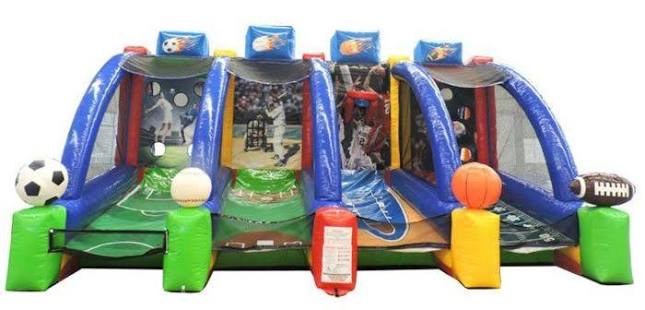
How to Select Durable Inflatable Interactive Games for Long-Term Commercial Use
Commercial entertainment businesses need equipment that can withstand frequent use, regular handling, and changing operating conditions. For inflatable rental companies, amusement centers, resorts, and event organizers, durability is especially important because equipment downtime can disrupt bookings, increase maintenance expenses, and affect customer satisfaction. Selecting a well-constructed inflatable attraction from the beginning can help businesses manage operating costs and maintain a reliable entertainment offering.
When comparing Inflatable Interactive Games for long-term commercial use, buyers should evaluate material quality, construction methods, reinforcement, safety documentation, maintenance requirements, and supplier support. A product’s appearance or advertised durability alone cannot guarantee a long service life. The most suitable choice is one that matches the expected frequency of use, the intended audience, the installation environment, and the business’s maintenance capabilities.
1. Understand Your Commercial Usage Requirements
Before comparing products, define how frequently and under what conditions the inflatable will be used. These factors influence the type of construction and features your business should prioritize.
Estimate Usage Frequency
An inflatable used occasionally at private parties may experience different wear patterns from one operated daily at a family entertainment center.
Consider the number of expected bookings, average operating hours, participant volume, and frequency of setup and takedown. Rental businesses should also account for transportation between locations, loading, unloading, and storage between events.
A clear usage estimate helps you ask manufacturers more relevant questions about product suitability and expected maintenance.
Identify the Intended Audience
Different audiences may interact with an attraction in different ways. Children’s activities, competitive sports games, and corporate team-building attractions can place different demands on the equipment.
Confirm that the selected product is designed for the intended participants and operating style. Follow the manufacturer’s age, weight, height, capacity, and activity restrictions rather than assuming that a commercial label makes an attraction suitable for every use.
Determine the Installation Environment
Decide whether the inflatable will primarily be used indoors, outdoors, or at a combination of locations.
Outdoor use may expose equipment to sunlight, wind, rain, dust, and changing ground conditions. Indoor operation may reduce some environmental exposure but can still involve frequent use, abrasion, and handling.
Choose a product whose specifications match the conditions in which it will operate.
2. Evaluate the Quality of the Inflatable Material
The material used in an inflatable plays an important role in its resistance to wear, ease of cleaning, and suitability for commercial use.
Ask for Detailed Material Specifications
Request information about the material type, thickness, coating, construction, and intended application. Manufacturers may use different materials for different sections of an inflatable depending on the design and expected stresses.
Do not rely on a single specification as proof of durability. Material thickness, for example, does not independently determine how well a product will perform over time.
Consider Abrasion Resistance
Commercial inflatables may experience repeated contact from footwear, sports equipment, and participants moving through designated play areas.
Ask the manufacturer how the selected material is suited to the expected level of contact. This is particularly relevant for basketball challenges, soccer target games, obstacle-style attractions, and other products with frequently used playing surfaces.
Review Resistance to Environmental Exposure
If the attraction will be used outdoors, ask about its suitability for sunlight, moisture, and the expected climate. Material performance depends on the complete product design and the manufacturer’s stated operating conditions.
Avoid assuming that any inflatable is suitable for prolonged outdoor exposure simply because it is marketed for commercial entertainment.
Request Product Documentation
Reliable technical information can help buyers compare products more accurately. Ask for available specifications, care instructions, and relevant testing or quality documentation.
When possible, compare equivalent information across suppliers instead of choosing based only on marketing descriptions.
3. Inspect Seams and Reinforced Areas
Even high-quality material can perform poorly if the structure is not assembled and reinforced appropriately.
Check Seam Construction
Seams join sections of material and may experience repeated stress during inflation, use, deflation, and handling.
Ask the manufacturer about the joining methods used, quality-control procedures, and inspection process. Detailed photographs or an opportunity to inspect a sample may help buyers understand the construction quality.
Examine High-Stress Sections
Areas around entrances, exits, attachment points, targets, and other frequently used sections may require suitable reinforcement, depending on the product design.
Ask how the manufacturer identifies and reinforces these areas. The construction should be appropriate for the attraction’s intended activities and operating conditions.
Review the Overall Finish
Inspect the product for consistent workmanship, secure attachments, neat finishing, and signs of manufacturing defects.
A professional appearance does not prove long-term durability, but visible inconsistencies can justify additional questions before purchase.
4. Choose a Design Suitable for Repeated Commercial Use
The structure and layout of an inflatable can affect both durability and ease of operation.
Select Appropriate Game Types
Different inflatable games have different construction requirements. Basketball shooting games, soccer target attractions, interactive obstacle courses, and multi-sport inflatables may use different layouts and accessories.
Choose a design that matches your expected bookings and available operating space. A more complex attraction is not automatically a better investment if its features are rarely used or require more maintenance than your business can manage.
Review the Playing Surface
The playing surface should be appropriate for the intended activity and designed according to the manufacturer’s specifications.
Ask how the product is expected to be used and which types of footwear, balls, or accessories are permitted. Using unsuitable equipment or allowing unapproved activities may contribute to premature wear.
Consider Accessibility for Inspection
A practical design should allow operators to inspect relevant areas and carry out routine care according to the manufacturer’s instructions.
Before purchasing a complex attraction, ask how its components are inspected, cleaned, stored, and repaired. Ease of maintenance can be important when the equipment is booked frequently.
5. Verify Safety Features and Applicable Standards
Durability and safety are closely related, but they are not interchangeable. An inflatable can appear to be in good condition and still be unsuitable for operation if it is installed incorrectly or used outside its specifications.
Request Relevant Compliance Documentation
Ask which safety standards and regulations apply to the product and the market where it will be used. Request documentation that relates to the specific model and configuration you intend to purchase.
Do not assume that a general certificate automatically proves compliance with every requirement in your country or venue.
Check Anchoring and Stability Requirements
Confirm the approved anchoring system, installation surface requirements, and operating clearances.
Repeated installation can place demands on anchoring components and connectors, so operators should inspect them according to the manufacturer’s guidance and replace damaged parts with approved replacements.
Confirm Participant Limits
Review the manufacturer’s limits for age, height, weight, capacity, and permitted activities.
Overcrowding or inappropriate use can increase stress on the equipment and create safety hazards. Staff should be able to enforce the stated limits during busy periods.
Establish Inspection Procedures
Create a routine for inspecting the inflatable before use and after events, following the manufacturer’s instructions.
Check for material damage, seam problems, loose attachments, anchoring issues, and defects in the blower or associated accessories. Remove equipment from service when a safety concern requires assessment or repair.
6. Assess Blower Quality and Supporting Components
The inflatable structure is only one part of the operating system. Blowers, air tubes, electrical connections, and accessories also affect reliability.
Verify Blower Compatibility
Use the blower specifications recommended by the manufacturer. Confirm that the supplied equipment is suitable for the inflatable’s design and operating requirements.
An incompatible blower or improperly secured connection can affect performance and may create safety risks.
Inspect Air Tubes and Connections
Air tubes and related connections should be installed securely and maintained according to the product instructions.
Ask the supplier how these components should be inspected, cleaned, and replaced. Regular checks can help operators identify damage before it causes a larger operational problem.
Review Electrical Requirements
Confirm power consumption, electrical connections, and compatibility with the intended venue. Electrical equipment should be used according to the manufacturer’s instructions and applicable requirements.
For outdoor events, pay particular attention to protection from moisture, cable placement, and access to the blower.
Check Accessory Availability
Interactive games may require balls, targets, scoring components, or other accessories. Ask whether these items are included and whether suitable replacements are available.
A durable inflatable is less useful commercially if essential components are difficult to replace or frequently unavailable.
7. Consider Portability, Storage, and Transportation
For rental companies, an inflatable may experience considerable wear outside normal gameplay. Repeated packing, loading, transport, and installation can affect the material and supporting components.
Review Packed Dimensions and Weight
Ask for the packed size and weight before ordering. Make sure the equipment can be transported using your existing vehicles and handling arrangements.
If the product requires specialized handling, include the associated equipment and labor in your purchasing budget.
Follow Correct Packing Procedures
Improper folding, dragging, or compression can contribute to material damage. Train staff to use the manufacturer’s recommended deflation, folding, and packing procedures.
Avoid placing sharp objects or heavy equipment against the inflatable during transport or storage.
Provide Suitable Storage Conditions
Store the product in a clean, dry, and appropriate location. Follow the manufacturer’s guidance for cleaning and drying before packing.
Protect the inflatable from unnecessary moisture, excessive heat, pests, and physical damage. Keep accessories organized and clearly identify any equipment awaiting repair.
8. Evaluate Maintenance Requirements Before Buying
A product’s maintenance requirements can influence its long-term commercial value just as much as its purchase price.
Request a Maintenance Schedule
Ask the supplier for written instructions covering routine inspection, cleaning, drying, storage, and servicing.
Understand which tasks can be completed by trained staff and which require professional assistance. This helps you estimate the time and cost needed to keep the attraction in suitable condition.
Confirm Cleaning Compatibility
Commercial equipment may need frequent cleaning between bookings. Ask which cleaning products and methods are approved for the material and its graphics.
Using unsuitable chemicals or aggressive cleaning methods may damage coatings or other components.
Plan for Repairs
Ask how common damage is handled and whether repair materials, replacement parts, or technical support are available.
Understand the limits of any repair instructions provided by the manufacturer. Significant structural damage or defects affecting safe operation should be assessed and repaired appropriately before the attraction returns to service.
Maintain Inspection Records
Keep records of inspections, cleaning, repairs, and operating issues. For rental businesses, these records can help identify recurring problems and establish whether a product’s performance is meeting expectations.
Consistent documentation also helps staff communicate maintenance needs between bookings.
9. Compare Suppliers and Manufacturing Quality
A durable product depends on more than its advertised specifications. The manufacturer’s quality-control process and ability to provide reliable support also matter.
Ask About Quality Control
Request information about production inspections, seam checks, material verification, and final product testing.
For a large order or a customized design, clarify how the manufacturer confirms that each product matches the approved specifications.
Review the Manufacturer’s Experience
Ask whether the supplier has experience producing inflatable attractions for the type of commercial use you have planned.
Request relevant product information, references, or examples of similar designs where available. Evaluate the evidence carefully rather than relying exclusively on broad claims about experience.
Confirm Technical Support
Find out whether the supplier provides installation instructions, operating manuals, maintenance guidance, and assistance when technical problems arise.
Clear documentation can help staff use the equipment correctly and reduce avoidable mistakes.
Verify Warranty Terms
Review the warranty period, covered components, exclusions, and claim procedures.
Ask whether the warranty covers commercial operation and frequent rental use. Clarify how shipping, labor, replacement parts, and repair costs are handled when a claim is approved.
10. Calculate the Total Cost of Ownership
The lowest purchase price does not necessarily represent the best long-term value. Buyers should consider all costs associated with operating and maintaining the inflatable.
| Cost factor | What to evaluate |
|---|---|
| Initial purchase | Base price and included accessories |
| Shipping | Freight, packaging, and delivery charges |
| Installation | Labor, tools, and staff training |
| Operation | Electricity and other operating requirements |
| Maintenance | Cleaning, inspections, and routine servicing |
| Repairs | Replacement parts and professional repair costs |
| Storage | Space, handling, and protection between uses |
| Downtime | Potential loss of bookings while equipment is unavailable |
For a rental business, also consider expected booking frequency, average rental revenue, seasonal demand, and how much staff time each attraction requires.
A simple payback estimate can help compare alternatives. For example, if a game costs $4,000 to purchase and prepare, and it generates $200 in contribution per booking after direct booking-related costs, it would require 20 bookings to recover that initial investment under those assumptions. Additional fixed costs, taxes, financing costs, and periods without bookings may extend the actual payback period.
The purpose of this calculation is to compare realistic scenarios rather than assume that every product will achieve the same utilization or service life.
11. Consider Customization Carefully
Customization can help a business match an attraction to its audience or brand, but it should not compromise the product’s construction or practical operation.
Choose Functional Design Features
Consider which design features will genuinely improve the customer experience. Custom graphics, branded colors, scoring layouts, and approved activity configurations may help distinguish the attraction.
Avoid adding unnecessary complexity if it increases maintenance requirements without delivering meaningful commercial value.
Confirm Structural Changes With the Manufacturer
Changes to dimensions, entrances, exits, targets, or attachment points can affect the product’s design and intended use.
Ask the manufacturer to evaluate proposed modifications and provide updated specifications where necessary. Do not assume that changes can be made safely after delivery.
Review Production and Repair Implications
Custom graphics or unusual components may affect production time and replacement-part availability.
Before approving the design, confirm the lead time, final cost, warranty coverage, and options for obtaining replacement materials or accessories.
12. Build a Long-Term Durability Checklist
A structured checklist can help buyers compare products and make a more informed decision.
-
Confirm that the product is designed for the intended commercial use.
-
Obtain detailed material and construction specifications.
-
Review seam construction and reinforcement in high-stress areas.
-
Verify applicable safety documentation and operating restrictions.
-
Check blower compatibility and electrical requirements.
-
Confirm the anchoring system and installation footprint.
-
Review transportation, packing, and storage requirements.
-
Obtain written cleaning and maintenance instructions.
-
Confirm replacement-part availability and repair support.
-
Review warranty coverage for commercial or rental operation.
-
Compare shipping, installation, operating, and maintenance costs.
-
Confirm delivery timelines and the final product specifications.
Use this checklist alongside the manufacturer’s documentation. It is a purchasing aid, not a substitute for required inspections or professional safety assessments.
Conclusion
Selecting durable inflatable interactive games for long-term commercial use requires a balanced assessment of materials, construction, design, safety, maintenance, and supplier reliability. Products intended for frequent rental or continuous venue operation should be chosen according to their expected workload and the conditions in which they will be used.
Before purchasing, examine material specifications, seam quality, reinforcement, blower requirements, storage needs, and warranty terms. Also consider the total cost of ownership rather than focusing exclusively on the initial price.
With careful supplier evaluation, appropriate staff training, regular inspections, and correct maintenance, commercial operators can make better equipment decisions and manage their attractions more effectively over time. The most suitable inflatable is one that meets the business’s needs while remaining practical to operate, maintain, and repair throughout its service life.



Post Comment