How to Choose a Reliable Hydraulic Seals Manufacturer for Industrial Applications
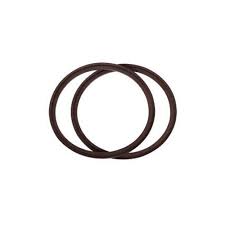
Selecting the right hydraulic seal supplier is an important decision for businesses that operate industrial machinery, construction equipment, agricultural vehicles, and hydraulic systems. Seals play a critical role in preventing fluid leakage, maintaining system pressure, and protecting internal components from contamination. Poor-quality sealing products can lead to equipment failures, increased maintenance expenses, and unexpected production downtime.
Choosing a dependable Hydraulic Seals Manufacturer requires more than comparing product prices. Industrial buyers should evaluate manufacturing experience, material quality, engineering capabilities, product testing, and customer support. Understanding these factors makes it easier to identify a manufacturer that can deliver suitable sealing solutions for specific operating conditions.
1. Evaluate the Manufacturer’s Industry Experience
Manufacturing experience is one of the first factors to consider when comparing potential suppliers. Companies with established experience are more likely to understand the technical requirements of different hydraulic systems and industrial applications.
Look for a manufacturer that has experience producing various sealing components, including:
-
Hydraulic piston seals
-
Rod seals
-
Wiper seals
-
Wear rings and guide rings
-
O-rings and static seals
-
Customized hydraulic sealing components
It is also useful to review the industries they serve. Experience with construction machinery, agricultural equipment, manufacturing systems, and heavy-duty industrial applications can indicate familiarity with different operating environments.
However, experience alone does not guarantee quality. It should be considered alongside manufacturing capabilities and documented product performance.
2. Check Material Quality and Availability
The materials used in hydraulic seals directly influence their durability, flexibility, chemical resistance, and operating performance.
A reliable manufacturer should understand how different materials perform under specific working conditions and offer suitable options for different applications.
Common materials include:
-
Nitrile Rubber (NBR): Suitable for many conventional hydraulic oil applications.
-
Polyurethane (PU): Provides good abrasion resistance and mechanical strength.
-
Fluorocarbon (FKM): Commonly used where higher temperature resistance and particular chemical compatibility are required.
-
PTFE: Offers low friction, chemical resistance, and dimensional stability.
-
EPDM: Useful in applications involving compatible water-based fluids.
Do not select a material simply because it is widely used. Its suitability depends on hydraulic fluid composition, operating temperature, pressure, movement, and environmental exposure.
Ask manufacturers whether they can provide material specifications and technical documentation to support their recommendations.
3. Examine Manufacturing Technology and Equipment
Modern manufacturing technology helps improve product consistency, dimensional accuracy, and production efficiency.
Before selecting a manufacturer, learn about its production facilities and manufacturing processes. Depending on the seal type, relevant equipment may include molding machines, CNC machining systems, precision cutting equipment, and specialized inspection instruments.
A capable manufacturer should have procedures for controlling product dimensions, surface quality, and manufacturing tolerances.
It is also worth asking whether production operations are performed internally or outsourced. Understanding the manufacturing arrangement can help buyers assess production control, lead times, and accountability.
4. Review Quality Control and Testing Procedures
Quality assurance is particularly important when purchasing hydraulic sealing components for demanding industrial applications.
A small manufacturing defect can affect sealing performance and potentially cause fluid leakage or premature equipment failure.
Reliable manufacturers should have inspection procedures covering different production stages, including:
Raw Material Inspection: Materials are checked before entering production to identify inconsistencies or unsuitable properties.
In-Process Inspection: Dimensions and manufacturing characteristics are monitored during production to maintain consistency.
Final Product Inspection: Finished seals are examined for dimensional accuracy, surface defects, and compliance with product specifications.
Performance Testing: Depending on the product, testing may evaluate pressure resistance, friction, wear, temperature performance, and sealing effectiveness.
Buyers can also ask whether the manufacturer follows recognized testing procedures, such as relevant hydraulic seal testing standards. ISO 7986, for example, addresses methods for evaluating hydraulic reciprocating seal performance.
ISO+1
5. Look for Customization and Engineering Capabilities
Not every industrial hydraulic system uses standard sealing dimensions or configurations. Specialized machinery may require products designed around particular operating conditions.
A reliable manufacturer should be able to assess custom requirements and determine whether an existing seal design is suitable or whether modifications are necessary.
Customization may involve:
-
Non-standard dimensions and profiles.
-
Special material combinations.
-
Application-specific sealing designs.
-
Replacement seals for older equipment.
-
Components developed according to technical drawings or samples.
Engineering support is especially valuable when developing seals for high-pressure applications, unusual temperatures, or equipment with demanding operating cycles.
Before placing a large order, ask whether the manufacturer can review technical drawings, evaluate samples, or produce prototypes for initial assessment.
6. Assess Product Range and Industry Applications
A manufacturer with a broad product range can make procurement easier for businesses that operate different types of hydraulic equipment.
Instead of sourcing every sealing component from separate suppliers, companies may be able to consolidate purchasing through a manufacturer that offers multiple product categories.
Consider whether the manufacturer supplies products for applications such as:
-
Hydraulic cylinders and industrial presses.
-
Excavators and construction machinery.
-
Agricultural tractors and harvesting equipment.
-
Mining and material-handling equipment.
-
Industrial manufacturing systems.
-
Heavy-duty hydraulic machinery.
However, a large catalog should not be the only deciding factor. The manufacturer must also demonstrate that its products are appropriate for the technical requirements of the intended application.
7. Verify Certifications and Quality Management Systems
Certifications can provide useful information about a manufacturer’s quality management practices and production controls.
For example, ISO 9001 is a widely recognized quality management system standard. It focuses on establishing consistent processes, monitoring performance, and supporting continual improvement.
When reviewing certifications, consider the following:
-
Is the certificate current and verifiable?
-
Does its scope cover the relevant manufacturing activities?
-
Which certification body issued it?
-
Are inspection and production procedures documented?
-
Can the manufacturer provide supporting quality records?
Remember that certification does not automatically prove that every individual seal will perform correctly. Product-specific testing and technical suitability must also be evaluated.
8. Compare Pricing Without Compromising Quality
Price is an important consideration, especially for industrial businesses purchasing sealing components in large quantities.
However, choosing a manufacturer based entirely on the lowest quotation can create problems if the products do not meet the required specifications.
When comparing quotations, examine:
-
Material grade and specifications.
-
Product dimensions and manufacturing tolerances.
-
Expected product performance.
-
Customization and tooling costs.
-
Minimum order quantities.
-
Packaging and shipping expenses.
-
Production and delivery timelines.
It is also important to consider total ownership costs. A more durable seal may have a higher initial price but could reduce replacement frequency, maintenance labor, and equipment downtime.
A balanced purchasing decision should consider both product cost and expected operational value.
9. Evaluate Communication and Technical Support
Good communication helps prevent misunderstandings during product selection, manufacturing, and delivery.
A dependable manufacturer should be able to answer technical questions clearly and provide relevant product information when requested.
Pay attention to how the company handles inquiries. Does it ask about operating pressure, temperature, hydraulic fluid, equipment dimensions, and application conditions before recommending a product?
Manufacturers that understand these details are generally better positioned to provide appropriate technical guidance.
Post-purchase support is equally important. Ask about replacement product availability, troubleshooting assistance, warranty conditions, and procedures for addressing quality concerns.
10. Check Production Capacity and Delivery Reliability
Industrial operations often depend on a continuous supply of replacement components. Delayed deliveries can interrupt maintenance schedules and affect production targets.
Before establishing a long-term purchasing relationship, evaluate the manufacturer’s production capacity and delivery arrangements.
Important questions include:
-
Can the manufacturer handle both small and large orders?
-
What are its typical production lead times?
-
Does it maintain inventory of common sealing products?
-
How does it manage urgent orders?
-
Can it support repeat orders with consistent specifications?
-
What packaging methods are used to protect products during transportation?
A manufacturer with organized production planning and clear communication can help businesses manage inventory more effectively.
11. Request Samples Before Placing Large Orders
Ordering samples is a practical way to evaluate product quality before committing to substantial purchasing quantities.
Samples allow buyers and engineering teams to examine dimensions, material characteristics, surface condition, and compatibility with existing equipment.
Where possible, test samples under representative operating conditions rather than relying exclusively on visual inspection.
During sample evaluation, consider:
-
Whether the seal matches the required dimensions and profile.
-
Whether the material is compatible with the hydraulic fluid.
-
Whether installation is straightforward and appropriate.
-
Whether the seal maintains performance under expected operating conditions.
-
Whether any unusual leakage, friction, or premature wear occurs.
Sample testing can help identify potential problems before they affect full-scale industrial operations.
Common Mistakes to Avoid When Choosing a Hydraulic Seal Manufacturer
Even experienced purchasing teams can overlook important factors when comparing manufacturers.
Some common mistakes include:
Choosing Based on Price Alone
Low-cost products may not provide the required durability or performance. Always compare material specifications, quality controls, and application suitability alongside pricing.
Ignoring Operating Conditions
Selecting seals without considering pressure, temperature, fluid compatibility, and movement requirements can result in premature failure.
Overlooking Quality Documentation
Failing to verify certifications, inspection records, and material specifications makes it harder to assess manufacturing reliability.
Not Testing Samples
Placing large orders without evaluating samples can increase the risk of receiving products that are unsuitable for the intended equipment.
Neglecting After-Sales Support
A manufacturer should be able to address product concerns and provide assistance when technical or quality issues arise.
Questions to Ask Before Selecting a Manufacturer
Before finalizing a purchasing decision, prepare a list of questions to compare potential manufacturers more effectively.
| Question | Why It Matters |
|---|---|
| What types of hydraulic seals do you manufacture? | Helps evaluate product range. |
| Which materials are available? | Determines application compatibility. |
| Do you offer customized products? | Supports specialized equipment requirements. |
| What quality inspections do you perform? | Helps assess manufacturing consistency. |
| Can you provide product samples? | Allows preliminary quality evaluation. |
| What are your production lead times? | Supports inventory planning. |
| Do you provide technical assistance? | Helps with product selection and troubleshooting. |
| What are your warranty and replacement policies? | Clarifies post-purchase support. |
Comparing the answers can help purchasing managers identify manufacturers that meet both technical and commercial requirements.
Conclusion
Choosing a reliable hydraulic seals manufacturer requires careful consideration of experience, material quality, manufacturing technology, quality control, customization capabilities, and customer support. Each factor contributes to the overall reliability of hydraulic sealing components and their ability to perform under demanding industrial conditions.
Rather than focusing exclusively on product prices or catalog size, industrial buyers should evaluate manufacturers according to their technical capabilities and documented quality practices. Requesting samples, reviewing specifications, and discussing application requirements can further reduce purchasing risks.
A well-informed manufacturer selection process helps businesses maintain equipment efficiency, minimize unexpected maintenance, and establish dependable long-term sourcing relationships.



Post Comment