How to Find Affordable Wholesale Gel Nail Polish Without Compromising Quality
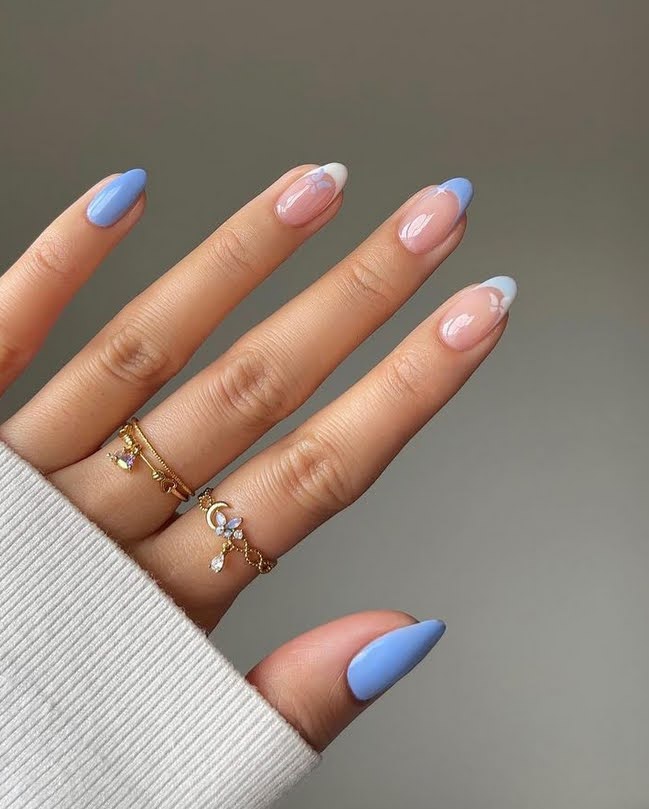
Managing purchasing costs is an important part of running a successful nail salon, beauty supply store, or wholesale distribution business. Gel nail polish is a regularly used product, so finding affordable purchasing options can help businesses control expenses and maintain healthy profit margins. However, choosing products based only on low prices can create problems if quality and performance are inconsistent.
Finding the right balance between cost and quality requires careful supplier research, product testing, and inventory planning. Businesses sourcing Wholesale Gel Nail Polish should evaluate more than the initial purchase price. Factors such as formulation, pigmentation, curing performance, packaging, and shipping expenses all contribute to the actual value of a wholesale order.
1. Compare Multiple Wholesale Suppliers
The first step toward finding affordable gel nail polish is researching different suppliers. Wholesale prices can vary depending on manufacturing costs, order quantities, product specifications, and shipping arrangements.
Instead of accepting the first quotation, request pricing information from several manufacturers or distributors. Compare their product ranges, minimum order quantities, delivery terms, and available documentation.
When comparing suppliers, pay attention to:
- Price per bottle at different order volumes.
- Minimum purchasing requirements.
- Shipping and handling expenses.
- Product quality and available samples.
- Payment terms and delivery schedules.
- Return policies for defective products.
Comparing several options gives businesses a clearer understanding of market pricing and helps identify suppliers offering reasonable value.
2. Request Samples Before Placing Large Orders
A low wholesale price is not useful if the product fails to meet professional requirements. Sample testing allows buyers to evaluate actual performance before investing in large quantities.
Ask suppliers to provide samples of different shades and formulations. Test them under normal application conditions and examine their consistency.
Important characteristics to evaluate include:
Pigmentation: Check whether the polish provides even coverage without requiring excessive layers.
Texture: Assess whether the formula spreads smoothly and remains easy to control.
Curing performance: Confirm that the product works with the manufacturer’s recommended lamp and curing conditions.
Finish: Examine the appearance after proper curing.
Packaging: Check bottle sealing, brush quality, and labeling.
Testing samples can prevent costly purchasing mistakes and help businesses compare products based on performance rather than promotional claims.
3. Understand the Difference Between Cheap and Affordable Products
There is an important difference between buying inexpensive products and finding products that provide good value.
Very cheap gel polish may have inconsistent pigmentation, difficult application, unsuitable packaging, or insufficient product documentation. These issues can increase material waste and create problems for professional users.
Affordable products should offer a reasonable balance between price, quality, and reliability.
For example, a slightly more expensive polish that provides better coverage may be more economical if technicians use less product during each manicure.
Consider the complete value of a product rather than focusing entirely on its advertised price.
4. Take Advantage of Bulk Pricing Carefully
Many wholesale suppliers offer lower unit prices when customers purchase larger quantities. This can create savings for businesses with predictable product demand.
However, ordering more products than necessary can tie up working capital and increase storage expenses.
Before accepting a bulk discount, estimate how quickly the products will be used or sold. Review previous purchasing records and identify frequently requested shades.
A practical strategy is to purchase larger quantities of essential colors while ordering specialty shades in smaller batches.
This helps businesses benefit from volume pricing without accumulating excessive inventory.
5. Choose the Right Product Selection
Building a cost-effective collection requires understanding which colors and finishes customers actually prefer.
Purchasing every available shade may seem attractive, but many products could remain unused for extended periods.
Start with versatile options such as:
- Nude, beige, and neutral shades.
- Classic red and pink.
- White and milky colors.
- Popular pastel shades.
- Dark colors such as black, navy, and burgundy.
- Selected glitter and metallic finishes.
Once the essential collection is established, introduce additional colors based on customer feedback and sales performance.
A carefully selected range can provide sufficient variety while keeping purchasing costs under control.
6. Evaluate Product Ingredients and Safety Documentation
Affordable pricing should never come at the expense of product safety.
Before purchasing gel nail polish, review ingredient information and request relevant safety documentation from the supplier. Check whether the product meets applicable cosmetic regulations in the country where it will be sold or used.
Pay particular attention to ingredient restrictions, labeling requirements, and information about potential allergens.
Also verify the manufacturer’s curing instructions. Gel polish must be applied at the recommended thickness and cured using the specified lamp conditions.
Insufficient curing can leave uncured material and increase the risk of allergic skin reactions.
Avoid relying solely on claims such as non-toxic or hypoallergenic unless appropriate supporting information is available.
7. Look for Manufacturers Offering Consistent Quality
Buying directly from manufacturers may provide access to competitive pricing, depending on order volume and purchasing requirements.
However, direct purchasing does not automatically guarantee better value. Buyers should investigate manufacturing capabilities, quality control procedures, and production consistency.
Ask potential suppliers about:
- Manufacturing experience.
- Quality inspection processes.
- Ingredient sourcing and formulation standards.
- Batch identification and traceability.
- Product customization options.
- Sample availability.
- Production and shipping timelines.
A supplier that maintains consistent production standards can help businesses avoid quality variations between orders.
8. Calculate the Total Cost of Purchasing
One common mistake is comparing suppliers based only on the listed product price.
The actual purchasing cost may include several additional expenses, particularly when ordering internationally.
Consider the following:
| Cost factor | What to evaluate |
|---|---|
| Product price | Cost per bottle and order quantity |
| Shipping | Transportation and handling charges |
| Customs | Import duties and applicable taxes |
| Packaging | Additional labeling or customization expenses |
| Storage | Space and inventory management costs |
| Defective stock | Potential losses from damaged or unusable products |
For example, a supplier offering lower bottle prices may charge considerably more for shipping. Another supplier with slightly higher product prices may offer better overall value through more economical delivery arrangements.
Comparing the complete landed cost provides a more accurate basis for purchasing decisions.
9. Negotiate Wholesale Pricing and Purchasing Terms
Many suppliers are willing to discuss pricing and order conditions with business customers.
Negotiation may be possible when purchasing regularly or ordering several products together.
Consider discussing:
- Volume-based discounts.
- Mixed-color order arrangements.
- Repeat-order pricing.
- Packaging options.
- Shipping arrangements.
- Payment terms.
- Replacement procedures for defective products.
A clear understanding of these terms can help businesses manage purchasing expenses more effectively.
However, do not agree to larger order quantities simply to obtain a discount unless the additional inventory is likely to be used or sold.
10. Check Packaging and Shelf Life
Packaging and storage requirements can influence the long-term value of wholesale gel polish.
Products should arrive in properly sealed bottles with clear labeling and batch information. Packaging should also provide appropriate protection against light exposure where required by the formulation.
Before ordering, check manufacturing dates, expiration information, and recommended storage conditions.
Businesses should maintain a cool, dry storage area and follow the manufacturer’s instructions. Proper stock rotation can help prevent products from remaining unused beyond their recommended shelf life.
These practices reduce avoidable waste and help preserve inventory quality.
11. Build a Long-Term Relationship with a Reliable Supplier
Establishing a consistent relationship with a dependable supplier can make future purchasing more efficient.
Once a supplier has demonstrated reliable product quality, clear communication, and timely delivery, businesses may find it easier to plan repeat orders.
Long-term supplier relationships can also improve communication about new products, changes in specifications, and availability of popular colors.
Nevertheless, businesses should continue monitoring quality rather than assuming every future batch will perform identically. Periodic sample checks and documentation reviews remain useful.
12. Common Mistakes to Avoid When Buying Affordable Gel Polish
Finding economical products requires a careful approach. Avoid these common purchasing mistakes:
- Choosing the cheapest supplier without checking product quality.
- Ordering large quantities before testing samples.
- Ignoring shipping and customs expenses.
- Purchasing colors without researching customer demand.
- Overlooking ingredient lists and safety documentation.
- Failing to verify curing requirements.
- Ignoring shelf life and storage conditions.
- Accepting unclear payment or return terms.
Avoiding these problems can help businesses make more informed decisions and protect their purchasing budgets.
Conclusion
Finding affordable wholesale gel nail polish without compromising quality requires more than comparing prices. Businesses should evaluate product performance, supplier reliability, ingredient information, packaging, shipping expenses, and actual customer demand.
Requesting samples, comparing total purchasing costs, and selecting practical order quantities can help reduce financial risks. By focusing on long-term value instead of short-term discounts, beauty salons, retailers, and distributors can maintain reliable product inventories while managing operating expenses effectively.


Post Comment