Low Input RNA Extraction: Techniques for Obtaining High-Quality RNA from Limited Samples
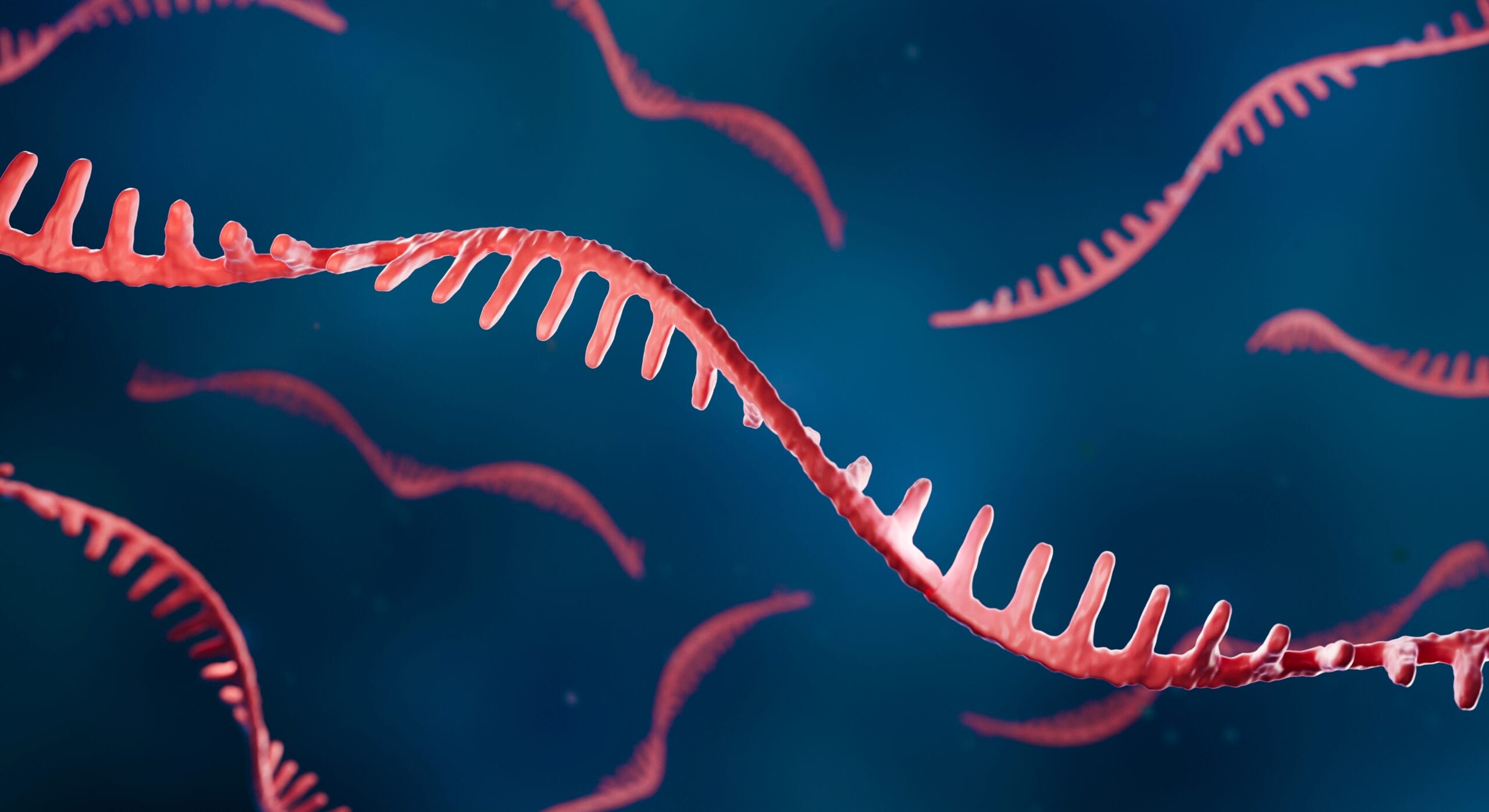
Obtaining high-quality RNA can be challenging when biological material is scarce. Experiments involving rare cell populations, small tissue biopsies, isolated single cells, or limited clinical specimens may provide only a small amount of starting material. In these situations, RNA extraction must maximize recovery while minimizing degradation, contamination, and sample loss.
A carefully selected Low Input Rna Extraction method can help researchers preserve valuable RNA and prepare samples for sensitive downstream applications. However, successful purification requires more than choosing a kit with a low sample input requirement. Sample collection, lysis efficiency, purification chemistry, handling practices, and quality assessment all influence the final result. Understanding these factors helps laboratories develop workflows that make effective use of limited biological material.
What Is Low Input RNA Extraction?
Low input RNA extraction refers to the isolation and purification of RNA from samples containing relatively small quantities of biological material. Unlike conventional extraction workflows, which may use larger amounts of tissue or cells, low-input methods are designed to reduce material loss throughout the purification process.
These workflows are useful when obtaining additional samples is difficult or impossible. They may support studies involving:
- Rare or sorted cell populations.
- Small tissue biopsies.
- Fine-needle aspiration specimens.
- Limited clinical or archived samples.
- Early developmental stages and small organisms.
- Single-cell and low-cell-number experiments.
The amount of RNA available depends on the sample type, cell number, biological condition, and extraction method. Consequently, a workflow suitable for a small tissue specimen may not be appropriate for a single-cell application.
Why Low Input RNA Samples Require Special Handling
Small samples provide fewer RNA molecules to begin with, making losses during extraction more significant. In a conventional workflow, some material may be lost during transfer, binding, washing, or elution without preventing downstream analysis. With limited starting material, the same losses can leave insufficient RNA for the intended experiment.
Several challenges deserve particular attention.
Limited RNA Recovery
Every purification step can reduce the amount of RNA recovered. Multiple tube transfers, inefficient binding, incomplete elution, and unsuitable purification conditions can all contribute to material loss.
Reducing unnecessary handling and selecting a method designed for the expected input quantity can improve recovery.
Increased Risk of RNA Degradation
RNA is vulnerable to ribonucleases, which may be present on laboratory surfaces, equipment, gloves, and biological materials. When only a small number of RNA molecules are available, degradation can have a substantial effect on the usable sample.
Rapid stabilization, clean equipment, and efficient processing are therefore especially important.
Greater Impact of Contamination
Residual genomic DNA, proteins, salts, and extraction reagents may affect downstream enzymatic reactions. In low-input experiments, even relatively small amounts of contamination can complicate quantification or interfere with reverse transcription and amplification.
Difficulty in Quality Assessment
Low RNA concentrations can make conventional spectrophotometric measurements less reliable. Some analytical methods may require more sample than is available, creating a need to balance quality control with sample preservation.
Common Techniques for Low Input RNA Extraction
Different purification technologies can support low-input applications. The most suitable option depends on sample characteristics, required RNA types, available equipment, and downstream analysis.
1. Silica Membrane Column Purification
Silica membrane methods rely on chemical conditions that allow RNA to bind to a membrane. After contaminants are removed through washing, purified RNA is eluted into a suitable solution.
These systems offer a standardized process and can reduce handling complexity. However, researchers should verify the minimum recommended input, binding capacity, and expected recovery of the selected column.
For very small samples, a purification system specifically validated for low-input material may be preferable to adapting a conventional high-input protocol.
2. Magnetic Bead-Based Purification
Magnetic bead methods use functionalized particles to capture RNA. A magnetic field separates the beads from the surrounding solution, allowing contaminants to be removed during washing.
Potential advantages include:
- Compatibility with automated workflows.
- Flexible processing of multiple samples.
- Reduced reliance on centrifugation.
- Opportunities to minimize manual transfer steps.
Bead-based purification requires careful control of sample-to-bead ratios, mixing, binding conditions, and washing procedures. These factors can influence both recovery and purity.
3. Organic Extraction Methods
Organic extraction uses chemical partitioning to separate RNA from proteins and other cellular components. It can be useful for certain complex sample types, but typically involves more manual processing.
For low-input applications, additional transfers and phase-separation steps may increase the risk of losing material. Researchers should therefore evaluate whether the method provides sufficient recovery and whether its chemical requirements are compatible with the available sample quantity.
4. Direct Lysis Approaches
Some workflows use specialized lysis systems to release RNA from cells or small biological samples while minimizing purification steps.
These approaches can be useful when sample quantity is extremely limited. However, direct lysates may contain substances that interfere with downstream reactions, and they are not necessarily suitable for every analytical application.
Researchers should confirm that the selected reverse transcription or amplification system supports the intended lysate preparation.
Choosing the Right Extraction Kit for Limited Samples
Selecting an extraction kit requires consideration of both the starting material and the intended downstream experiment. A method designed for routine tissue extraction may not provide the same performance with a small number of cells.
Minimum Input Requirements
Check the manufacturer’s recommended sample input range and determine whether the kit has been validated for the quantity available.
A low-input specification should reflect demonstrated performance rather than simply a smaller suggested sample volume.
RNA Recovery Efficiency
Recovery is particularly important when starting material is scarce. Compare available performance information, including recovery characteristics, recommended elution volumes, and sample compatibility.
Remember that maximizing concentration is not the same as maximizing total RNA recovery. A small elution volume can produce a more concentrated solution without necessarily increasing the total amount of RNA collected.
Compatibility With Different RNA Types
Not all extraction methods retain every RNA class equally. Some systems are optimized for total RNA, while others may be designed to enrich or preserve small RNA molecules.
For research involving microRNAs or other short transcripts, confirm that the purification method retains the RNA size range required by the study.
Contaminant Removal
The kit should provide effective removal of proteins, genomic DNA, salts, and other substances that could interfere with downstream reactions.
If DNA contamination is a concern, check whether the workflow includes DNase treatment or supports a compatible additional digestion step.
Downstream Application Requirements
RNA quality requirements vary across applications. Reverse transcription PCR, quantitative PCR, RNA sequencing, and transcript-specific analysis may have different input and integrity requirements.
Choose an extraction workflow that is compatible with the intended downstream system rather than evaluating purification performance in isolation.
Best Practices for Maximizing RNA Recovery
A suitable extraction method is only part of the process. Careful laboratory practices can help prevent avoidable losses.
Prepare the Workflow Before Sample Collection
Have the necessary reagents, tubes, pipettes, and equipment ready before handling the biological material. This reduces processing delays and limits unnecessary sample transfers.
Review the full protocol in advance, including incubation times, centrifugation conditions, and recommended sample quantities.
Maintain RNase-Free Conditions
Use RNase-free consumables and reagents whenever possible. Wear clean gloves, keep work surfaces clean, and avoid exposing samples to unnecessary handling.
For small samples, consistent RNase control is essential because there may be little remaining material available if degradation occurs.
Use Appropriate Sample Disruption
Efficient lysis helps release RNA from cells and tissues. The disruption method should match the biological material.
For example, small tissue pieces may require mechanical homogenization, while cultured cells may be processed with a suitable lysis buffer. Incomplete disruption can reduce recovery, but excessive processing may introduce heat or other conditions that compromise RNA integrity.
Minimize Sample Transfers
Each transfer creates an opportunity for material to remain on the original tube or pipette tip. Use a workflow with as few unnecessary transfers as possible.
Where appropriate, low-retention tubes and pipette tips can help reduce sample loss. Ensure that all consumables are compatible with the extraction chemistry.
Follow Binding and Washing Conditions Carefully
RNA binding depends on the chemical environment established by the extraction reagents. Incorrect buffer ratios, insufficient mixing, or deviations from the recommended procedure can reduce purification efficiency.
Follow the manufacturer’s specified conditions, particularly when working close to the minimum input range.
Optimize Elution Conditions
Elution volume influences the final RNA concentration and the amount of material available for downstream testing.
A lower elution volume may increase concentration, but it can also reduce recovery if the RNA does not release efficiently from the purification material. Follow validated recommendations and consider whether a second elution is appropriate for the application.
Assessing the Quality of Low-Input RNA
Quality assessment is important, but analytical methods must be selected carefully to avoid consuming too much of a limited sample.
RNA Quantification
Fluorometric methods are often useful for low-concentration RNA because they use fluorescent dyes that selectively bind nucleic acids. They can provide more specific measurements than absorbance-based methods when contaminants are present.
Spectrophotometry can provide concentration and purity information, but measurements become less reliable at very low concentrations. Researchers should interpret results in relation to the instrument’s detection limits.
RNA Purity
Absorbance ratios can help identify potential contamination:
- A260/A280: A value near 2.0 is generally consistent with relatively pure RNA.
- A260/A230: Values around 2.0–2.2 commonly indicate low levels of certain organic and chemical contaminants.
These ratios should be interpreted cautiously when RNA concentration is very low. Small measurement errors can substantially affect the calculated values, and acceptable ratios do not prove that the RNA is intact.
RNA Integrity
RNA integrity describes how well RNA molecules have been preserved during collection, storage, and extraction.
Agarose gel electrophoresis can provide a basic visual assessment, while automated electrophoretic instruments can generate more detailed integrity measurements, such as the RNA Integrity Number (RIN).
However, some low-input samples may not contain enough material for conventional integrity assessment. In such cases, researchers should consider low-input-compatible analytical methods and the quality requirements of the downstream application.
Preparing Low-Input RNA for Downstream Applications
Different applications place different demands on purified RNA. Understanding these requirements helps determine which extraction characteristics matter most.
Quantitative PCR
For qPCR, RNA should be sufficiently pure to support efficient reverse transcription and amplification. Genomic DNA contamination should be controlled through appropriate purification or DNase treatment.
When RNA quantities are limited, use a reverse transcription system compatible with the available input and include suitable controls, such as no-reverse-transcription and no-template controls.
RNA Sequencing
RNA sequencing may require careful consideration of RNA integrity, transcript representation, and library preparation input requirements.
Some library preparation systems are specifically designed for low-input RNA, while others require larger quantities or higher-integrity material. Researchers should select extraction and library preparation methods as a coordinated workflow.
Single-Cell Gene Expression Analysis
Single-cell experiments involve extremely small quantities of RNA. Conventional purification procedures may introduce unacceptable losses when applied directly to individual cells.
Many single-cell workflows therefore use specialized lysis, reverse transcription, and amplification approaches. The compatibility of the extraction step with the complete single-cell protocol is essential.
MicroRNA and Small RNA Analysis
Studies involving small RNA molecules require purification systems capable of retaining the relevant size range.
Some total RNA methods may lose short RNA species during purification. Researchers should verify the small RNA recovery characteristics before selecting a kit for microRNA expression analysis or small RNA sequencing.
Common Mistakes to Avoid
Several errors can reduce the success of low-input RNA extraction:
- Using too much starting material: Exceeding the recommended capacity may reduce binding efficiency and increase contamination.
- Choosing a high-input protocol without validation: Conventional methods may cause substantial losses when adapted to very small samples.
- Performing unnecessary transfers: Additional handling can reduce the amount of RNA recovered.
- Ignoring RNA stabilization: Delayed processing can result in degradation before purification begins.
- Overlooking genomic DNA: DNA contamination may interfere with transcript-specific analysis.
- Relying only on concentration: A high concentration does not establish RNA purity or integrity.
- Using incompatible purification chemistry: Some methods may not retain the RNA classes required for a particular experiment.
Avoiding these mistakes can improve consistency and help laboratories use limited biological material more effectively.
Conclusion
Low input RNA extraction requires careful control of sample handling, purification conditions, and quality assessment. Because limited starting material leaves little room for avoidable losses, researchers should select a method validated for the expected input quantity and biological sample type.
Silica columns, magnetic beads, organic extraction, and direct lysis approaches each have potential applications, but their suitability depends on recovery efficiency, RNA integrity, contaminant removal, and downstream requirements. Maintaining RNase-free conditions, minimizing transfers, optimizing lysis, and using appropriate quantification methods further support successful purification.
By combining a suitable extraction strategy with consistent laboratory practices, researchers can preserve valuable RNA samples and prepare them for reliable gene expression analysis, sequencing, and other molecular biology applications.


Post Comment