USP Grade L-Proline: Understanding Purity Standards and Pharmaceutical Quality Requirements
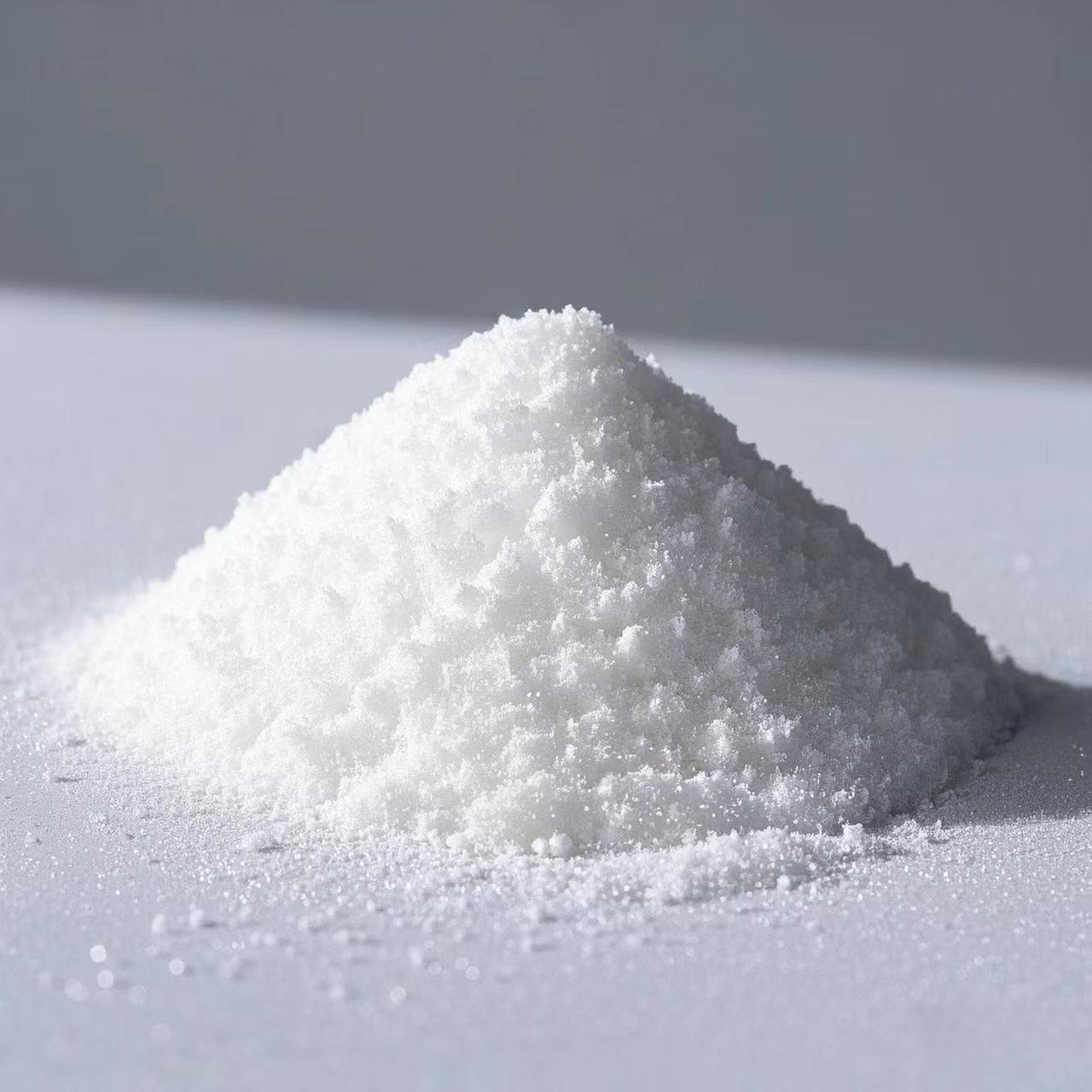
Pharmaceutical manufacturers rely on carefully controlled raw materials to maintain product quality, consistency, and regulatory compliance. Amino acids such as L-proline may be used in pharmaceutical development, specialized formulations, and biochemical research. When sourcing this ingredient, understanding its purity profile and applicable quality standards is essential. A material described as USP grade should be evaluated against the relevant pharmacopeial requirements rather than selected solely on the basis of its commercial label.
L-proline is a proteinogenic amino acid with a distinctive cyclic molecular structure. It contributes to protein organization and is particularly important in collagen structure. Manufacturers considering USP Grade L-Proline should examine its identity, assay, impurity profile, analytical documentation, and batch consistency to determine whether it meets the requirements of their intended pharmaceutical application.
What Is L-Proline?
L-proline is the naturally occurring L-form of the amino acid proline. Its molecular formula is C₅H₉NO₂, and its molecular weight is approximately 115.13 g/mol.
Unlike most amino acids, proline has a cyclic side chain connected to its amino nitrogen. This structure influences the flexibility and folding of proteins. It is also a significant component of collagen, a structural protein found in connective tissues.
Important characteristics of L-proline include:
- Chemical identity: L-proline is a specific stereochemical form of proline.
- Physical appearance: Commercial material is commonly supplied as a white or nearly white crystalline powder.
- Solubility: It is soluble in water.
- Biological role: It participates in protein structure and amino acid metabolism.
- Industrial relevance: It may be used in selected pharmaceutical, biotechnology, and research applications.
Its intended use determines the quality specifications that must be established before procurement.
What Does USP Grade Mean?
USP refers to the United States Pharmacopeia, an organization that publishes recognized quality standards for medicines, pharmaceutical ingredients, and related substances.
When a material is claimed to comply with a USP monograph, it should meet the applicable requirements specified in that monograph. These may include tests for identity, assay, impurities, and other defined quality attributes.
However, the phrase “USP grade” should not automatically be interpreted as proof of compliance. Buyers need to verify whether an applicable official monograph exists for the substance and whether the supplier can demonstrate conformity with its requirements.
A thorough evaluation should establish:
- The applicable USP monograph, if one exists.
- The relevant official edition and requirements.
- The analytical methods used by the supplier.
- The acceptance criteria for each required test.
- Batch-specific results demonstrating compliance.
This approach helps distinguish a documented compendial claim from a general commercial description.
Key Purity Standards for USP Grade L-Proline
Purity is an important part of pharmaceutical raw material evaluation, but it involves more than a single assay result. Several quality attributes may need to be assessed.
1. Identity Testing
Identity testing confirms that the supplied material is L-proline.
Appropriate analytical methods should distinguish the intended substance from other amino acids or potentially similar compounds. Where the L-form is required, the testing strategy should also establish the relevant stereochemical identity.
Reliable identity confirmation is a fundamental step in incoming material testing.
2. Assay and Content
An assay determines the amount of L-proline in a sample using a specified analytical method.
The supplier’s specification should clearly state the acceptable assay range and whether results are calculated on an as-is or dried basis. This distinction matters because moisture content can influence the reported percentage.
Manufacturers should compare actual batch results with the agreed acceptance criteria rather than relying only on a general statement of high purity.
3. Related Substances
Related substances may arise from manufacturing processes, raw material sources, or degradation.
Their evaluation helps establish whether unwanted chemical components are present within acceptable limits. The relevant tests and thresholds should be based on the applicable monograph, product specification, and risk assessment.
4. Residual Solvents
Manufacturing processes may involve solvents that require control in the finished raw material.
Where relevant, residual solvent testing should follow appropriate analytical procedures and applicable requirements. Manufacturers should review the supplier’s process information and determine which solvents need to be assessed.
5. Elemental Impurities
Elemental impurities may enter a material through raw materials, processing equipment, or other manufacturing stages.
The potential presence of relevant elements should be evaluated according to the intended use and applicable regulatory expectations. Risk-based controls can help determine which elements require testing and what limits apply.
6. Moisture Content
Moisture can affect the physical condition and analytical results of powdered ingredients.
A suitable specification should define the acceptable moisture content or loss-on-drying range, as appropriate. Packaging and storage controls should help prevent moisture exposure during transportation and handling.
7. Microbiological Quality
Microbiological requirements depend on the intended pharmaceutical application and the characteristics of the final product.
Where applicable, manufacturers may need to assess microbial limits or the absence of specified microorganisms. The required controls should be defined by the relevant product specifications and regulatory expectations.
USP Compliance and Pharmaceutical Quality Documentation
Documentation is essential when purchasing pharmaceutical raw materials. It allows quality teams to assess the supplier’s claims and determine whether an individual batch is suitable for further processing.
Certificate of Analysis
A Certificate of Analysis (CoA) provides analytical information about a specific production batch.
A useful CoA should include:
- Product name and material identification.
- Batch or lot number.
- Test names and analytical methods.
- Defined acceptance criteria.
- Actual analytical results.
- Release or approval information.
- Relevant manufacturing and retest or expiry details, where applicable.
The CoA should be batch-specific and traceable to the delivered material.
Technical Data Sheet
A Technical Data Sheet (TDS) describes the material’s chemical and physical characteristics. It may include molecular information, appearance, solubility, assay specifications, and recommended storage conditions.
This document helps procurement and technical teams assess whether the material is appropriate for their process.
Safety Data Sheet
A Safety Data Sheet (SDS) provides information about handling, storage, exposure controls, and emergency procedures. It should be available to personnel responsible for receiving and handling the raw material.
Additional Quality Records
Depending on the application, buyers may also request manufacturing information, impurity profiles, relevant certifications, change-control procedures, and traceability documentation.
These records help establish a more complete understanding of the supplier’s quality system.
Applications of L-Proline in Pharmaceutical and Biotechnology Industries
L-proline has several potential applications in scientific and manufacturing environments. Its suitability for a particular use depends on formulation requirements, process design, and applicable regulatory controls.
Pharmaceutical Formulation Research
Formulation scientists may evaluate L-proline as part of selected formulation-development studies. Its role should be defined through compatibility testing, stability evaluation, and assessment of the intended product composition.
Amino Acid-Based Formulations
L-proline may be included in amino acid formulations where its presence is appropriate to the required composition.
Formulators should assess the complete amino acid profile rather than treating L-proline as a substitute for essential amino acids or complete protein.
Biotechnology Research
In biotechnology and biochemical research, L-proline may be used in studies involving protein structure, amino acid metabolism, and related biological processes.
The required grade and specification depend on the experimental system and the sensitivity of the analytical methods involved.
Pharmaceutical Development Programs
During drug development, amino acids may be investigated for specific formulation or manufacturing functions. Any proposed use of L-proline should be supported by appropriate scientific data, compatibility studies, and regulatory review.
The presence of L-proline in a formulation does not, by itself, establish a therapeutic benefit.
How to Evaluate a USP Grade L-Proline Supplier
Choosing a supplier requires more than comparing prices or advertised purity percentages. Pharmaceutical manufacturers should consider technical capabilities, documentation quality, and the consistency of supply.
1. Verify the USP Claim
Ask the supplier to identify the specific USP requirements being claimed. Confirm whether an applicable monograph exists and request supporting analytical evidence.
If the material is intended to meet a different specification, obtain that specification in writing before placing an order.
2. Review Testing Methods
Evaluate the analytical procedures used for identity, assay, and impurity testing.
Methods should be appropriate for the quality attributes being measured. For critical applications, the receiving manufacturer’s quality team may need to assess method suitability and determine additional incoming tests.
3. Assess Batch Consistency
Request CoAs from multiple batches where possible. Reviewing results across production lots can help identify variation in assay, moisture, and other important characteristics.
Consistent results provide useful evidence of manufacturing control, although they do not replace a complete supplier qualification.
4. Examine Quality Management Practices
Review the supplier’s manufacturing controls, quality procedures, deviation handling, change management, and complaint processes.
Any certifications should be checked for validity and scope. A certification should not be assumed to demonstrate compliance with every pharmaceutical requirement.
5. Confirm Traceability
A reliable supplier should be able to connect each delivered batch with its production and testing records.
Traceability supports incoming inspection, investigations, and material recall procedures when necessary.
6. Evaluate Supply Capabilities
Consider production capacity, minimum order quantities, packaging options, lead times, and the ability to support recurring requirements.
Supply reliability is particularly important when the raw material is part of an established manufacturing process.
Storage and Handling Requirements
Proper storage and handling help maintain the quality of L-proline throughout its supply chain.
Use suitable packaging: Keep the material in sealed, appropriate packaging that protects it from moisture and contamination.
Control storage conditions: Follow the supplier’s documented temperature and environmental recommendations. Avoid unsuitable conditions that could affect material quality.
Prevent cross-contamination: Use clean handling equipment and appropriate material-transfer procedures. Keep unapproved batches segregated from released inventory.
Maintain batch identification: Preserve original batch numbers and associated records during storage and internal distribution.
Inspect incoming deliveries: Check containers and seals for damage, moisture exposure, or other signs of compromised packaging. Refer questionable material to the quality unit before use.
Common Mistakes When Buying USP Grade L-Proline
Several purchasing mistakes can create avoidable quality and compliance problems:
- Relying only on a purity percentage: Assay results do not replace identity, impurity, and other required quality tests.
- Assuming every USP claim is equivalent: Buyers should verify the specific monograph and requirements being referenced.
- Accepting generic CoAs: Batch-specific analytical documentation is important for incoming material assessment.
- Ignoring stereochemical identity: The required L-form should be confirmed where relevant.
- Overlooking storage conditions: Moisture protection and suitable packaging help maintain material quality.
- Selecting suppliers based only on price: Documentation, consistency, traceability, and supply reliability also matter.
- Failing to define intended use: Specifications should reflect the actual pharmaceutical or research application.
Conclusion
USP grade L-proline requires careful evaluation of chemical identity, assay, impurities, and other quality attributes relevant to its intended use. A USP claim should be supported by an applicable standard and appropriate analytical evidence, not simply a product description.
Pharmaceutical manufacturers can strengthen raw material selection by reviewing batch-specific Certificates of Analysis, confirming supplier documentation, assessing manufacturing controls, and maintaining suitable storage and traceability procedures. A structured qualification process helps ensure that L-proline meets defined quality expectations and supports consistent pharmaceutical and biotechnology operations.





Post Comment