How Polyester Printed Shirt Fabric Combines Fashion, Comfort, and Long-Lasting Color Quality
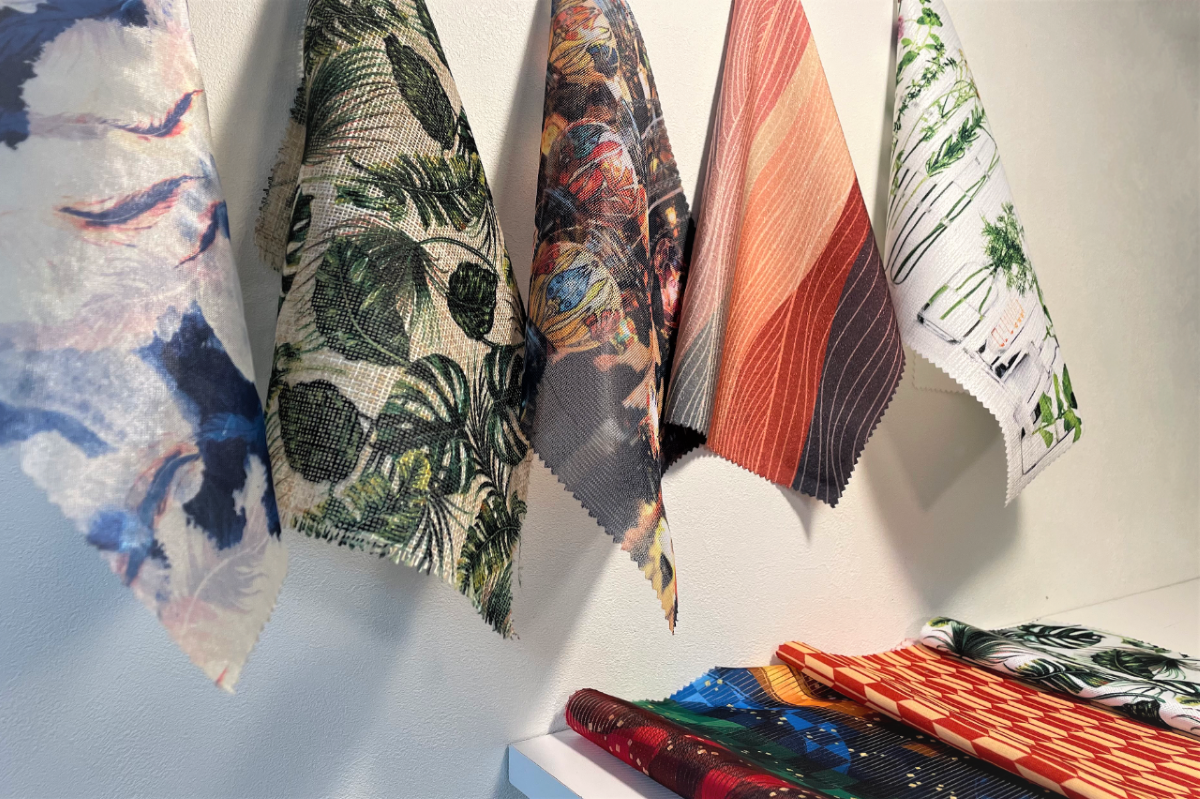
Shirt fabrics play an important role in determining how a garment looks, feels, and performs throughout the day. Modern clothing manufacturers need materials that support attractive designs while offering practical qualities such as durability, easy maintenance, and color consistency. Polyester has become a popular option in apparel production because it can be manufactured in different textures, weights, and finishes to suit changing fashion preferences.
The combination of design flexibility and functional performance makes Polyester Printed Shirt Fabric a valuable choice for clothing brands, garment manufacturers, and textile buyers. Its compatibility with modern printing techniques allows designers to develop colorful patterns and distinctive shirt collections. At the same time, polyester’s shape retention and relatively quick-drying properties make it suitable for everyday clothing when the fabric construction is selected carefully.
Why Polyester Is Popular in Shirt Manufacturing
Polyester is a synthetic fiber widely used in the textile industry because of its strength, versatility, and adaptability. It can be woven or knitted into different fabric structures, allowing manufacturers to produce materials for casual shirts, formal-inspired styles, uniforms, and fashion collections.
Several characteristics contribute to its popularity:
- Durability: Polyester fibers generally provide good resistance to everyday wear.
- Wrinkle resistance: Many polyester fabrics maintain a smooth appearance with less ironing.
- Shape retention: The material tends to resist excessive shrinking and stretching under normal care conditions.
- Quick drying: Its relatively low moisture absorption can help garments dry faster.
- Printing compatibility: Suitable polyester constructions support detailed patterns and vibrant colors.
- Easy maintenance: Many polyester shirts can be washed and cared for without complicated routines.
These properties make polyester a practical material for manufacturers producing shirts in different styles and quantities.
How Printing Enhances the Appearance of Polyester Shirt Fabric
Printing transforms plain textile surfaces into decorative materials that support a wide range of fashion concepts. Polyester is particularly compatible with several printing methods, including sublimation, digital textile printing, and screen printing.
These techniques allow manufacturers to reproduce detailed designs, coordinated color combinations, and customized artwork.
Floral and Botanical Patterns
Floral prints remain popular in casual and seasonal shirt collections. They can range from small repeating motifs to large botanical designs with bold colors.
These patterns are often used for summer shirts, relaxed outfits, and contemporary fashion styles.
Geometric and Abstract Designs
Geometric patterns use lines, shapes, and repeated arrangements to create a structured appearance. Abstract prints offer more artistic freedom through irregular forms, contrasting colors, and creative compositions.
Both styles help clothing brands develop distinctive collections for different customer preferences.
Stripes and Repeating Prints
Striped and repeating designs are versatile options for everyday shirts. Depending on their scale and color selection, they can create a subtle appearance suitable for regular wear or a more prominent fashion statement.
The Importance of Comfort in Printed Polyester Shirts
Visual appeal is important, but comfort remains essential when choosing fabric for shirts. The feel and performance of polyester depend on several factors, including yarn type, fabric weight, weave structure, and finishing treatments.
Lightweight woven polyester can provide a soft drape, while textured or blended constructions may offer a different surface feel. Manufacturers can also use specialized finishes to improve softness and moisture management.
When evaluating polyester shirt fabric, consider:
- Breathability: The weave and fabric density influence airflow.
- Softness: Yarn selection and finishing affect how the textile feels against the skin.
- Weight: Lightweight options may be more suitable for warm-weather clothing.
- Flexibility: Fabric construction influences movement and overall comfort.
- Moisture management: Selected finishes can help improve moisture movement during wear.
For customers who prioritize natural breathability, polyester-cotton blends may also be worth considering. These combinations can balance selected characteristics of both fibers.
How Polyester Helps Maintain Color Quality
Color consistency is a major consideration for printed apparel. Garments need to retain their visual appeal after repeated use and appropriate washing.
Polyester supports several printing and dyeing processes that can produce vibrant colors and detailed patterns. Sublimation printing is particularly common because compatible disperse dyes diffuse into the polyester fibers under controlled heat.
The quality of the final print depends on several production factors:
- Dye compatibility: The selected colorants must be appropriate for polyester.
- Temperature control: Printing conditions influence color development and consistency.
- Fabric preparation: Clean and properly prepared material supports more uniform results.
- Printing accuracy: Calibrated equipment helps maintain pattern alignment and color reproduction.
- Finishing quality: Appropriate post-printing treatments contribute to the final appearance and performance.
Although polyester can offer good color retention, exposure to strong sunlight, harsh chemicals, and unsuitable washing conditions may still cause fading. Proper processing and care are therefore important.
Popular Applications of Printed Polyester Shirt Fabric
The versatility of printed polyester makes it useful across different clothing categories and commercial markets.
Casual and Everyday Shirts
Printed polyester is used for casual shirts designed for regular wear. Floral, abstract, geometric, and other patterns provide options for different fashion preferences.
Suitable lightweight constructions can create comfortable garments with practical maintenance requirements.
Corporate and Promotional Apparel
Businesses and organizations often require shirts with coordinated colors, branded designs, or customized patterns. Printed polyester can support these requirements while providing a material suitable for repeated use.
The selected fabric should meet the organization’s expectations for appearance, comfort, and durability.
Fashion and Seasonal Collections
Fashion brands use printed polyester to develop seasonal collections with distinctive patterns and color combinations. Digital printing can be particularly useful when designers want to test new artwork or produce smaller customized batches.
Uniforms and Event Clothing
Some uniforms and event garments use polyester fabrics because of their durability and relatively easy maintenance. Printed versions can also help distinguish teams, departments, or promotional campaigns.
The fabric weight and finishing should be chosen according to the expected wearing conditions.
Choosing the Right Polyester Printed Shirt Fabric
Selecting the appropriate material involves more than choosing a pattern. Buyers should evaluate the technical properties of the textile and determine whether it suits the intended garment.
Important factors include:
- Fabric weight: Choose a suitable weight for the shirt style and climate.
- Weave structure: Consider how the construction affects drape, airflow, and appearance.
- Print definition: Check whether the pattern is sharp and consistently reproduced.
- Color fastness: Review performance under expected washing and rubbing conditions.
- Surface texture: Evaluate softness and overall fabric feel.
- Durability: Consider resistance to everyday wear and repeated laundering.
- Care requirements: Confirm that maintenance instructions are practical for the target customer.
- Supplier consistency: Ensure the manufacturer can provide repeatable quality across production batches.
Requesting samples before placing a bulk order can help assess the fabric’s appearance, comfort, and suitability for garment manufacturing.
Maintenance Tips for Printed Polyester Shirts
Proper care helps maintain the fabric’s color, structure, and overall appearance. Although polyester is generally easy to maintain, following suitable washing practices can extend the useful life of printed shirts.
Consider these recommendations:
- Follow the washing instructions provided on the garment label.
- Use mild or fabric-compatible detergents.
- Avoid unnecessarily high washing temperatures.
- Wash similar colors together to reduce the risk of color transfer.
- Avoid excessive heat when ironing or tumble drying.
- Treat stains promptly with suitable cleaning products.
- Store clean garments in a dry and well-ventilated space.
These simple steps can help preserve printed designs and keep shirts looking presentable through regular use.
Future Trends in Polyester Shirt Fabric Manufacturing
The textile industry continues to develop new ways to improve polyester fabrics through advanced printing, yarn engineering, and finishing technologies. Digital printing is expanding design possibilities by supporting customized artwork and more flexible production volumes.
Sustainability is another important area of development. Some manufacturers are incorporating recycled polyester into their textile collections and exploring more efficient dyeing and printing processes to reduce resource consumption.
There is also growing interest in fabrics that combine decorative appeal with functional properties such as improved breathability, stretch, and moisture management. These developments are expected to create additional opportunities for polyester in modern apparel manufacturing.
Conclusion
Polyester printed shirt fabric combines design flexibility, practical durability, and convenient maintenance, making it a popular option for modern clothing production. Its compatibility with different printing methods allows manufacturers to create attractive patterns and consistent colors for casual shirts, uniforms, promotional apparel, and fashion collections.
Choosing the right material requires attention to fabric weight, weave structure, comfort, print quality, and care requirements. With suitable manufacturing processes and proper maintenance, printed polyester shirts can provide an effective balance of style, functionality, and lasting visual appeal.





Post Comment