Benefits of Growing Tissue Culture Philodendron in a Controlled Environment
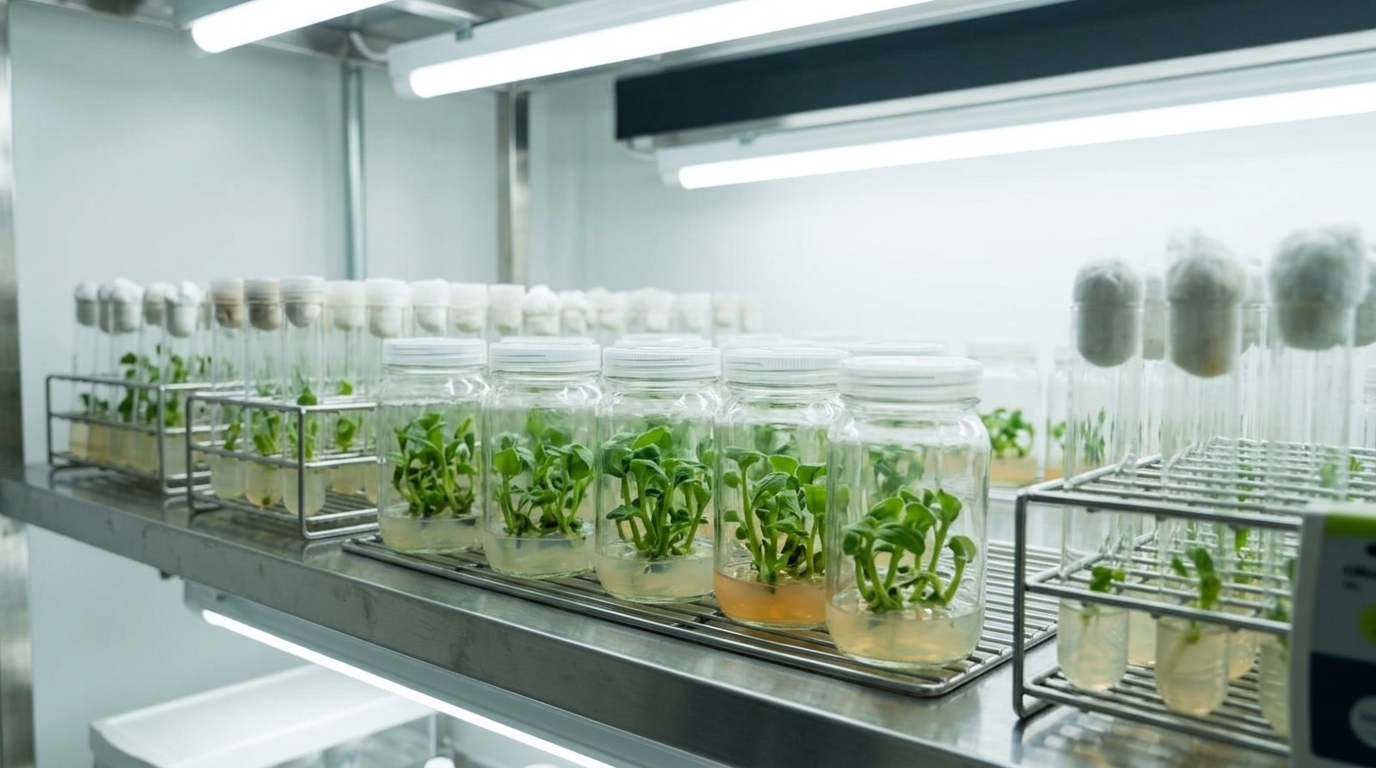
Philodendrons are popular tropical foliage plants valued for their diverse leaf shapes, attractive colors, and adaptability to different indoor and commercial growing environments. From compact varieties suitable for home decoration to large-leaf cultivars sought after by collectors, these plants offer opportunities for both hobby growers and professional nurseries. As demand for ornamental tropical plants increases, growers are paying greater attention to propagation methods and cultivation systems that support healthy, consistent production.
Growing Tissue Culture Philodendron in a controlled environment can help growers manage important factors such as temperature, humidity, light, irrigation, and plant nutrition. Tissue culture provides young plants produced through laboratory propagation, while controlled cultivation supports their transition into established nursery stock. Combining these approaches can improve production management, reduce environmental stress, and create better conditions for healthy plant development.
1. Maintaining Stable Temperature and Humidity
Temperature and humidity have a significant influence on Philodendron growth. Sudden environmental changes can slow development, cause leaf stress, and affect the establishment of young plants.
A controlled growing environment allows nurseries to maintain more stable conditions. This is particularly important during the acclimatization stage, when laboratory-grown plantlets transition to greenhouse conditions.
High humidity is generally useful during early acclimatization because young plants may have limited capacity to regulate water loss. However, humidity should be reduced gradually as plants become established.
Growers can improve environmental stability by:
- Monitoring temperature throughout the day.
- Using humidity sensors in propagation areas.
- Providing suitable ventilation.
- Avoiding sudden temperature fluctuations.
- Adjusting humidity according to plant development.
Different Philodendron varieties may have different environmental preferences, so growing conditions should be adapted to the selected cultivar.
2. Supporting Successful Acclimatization
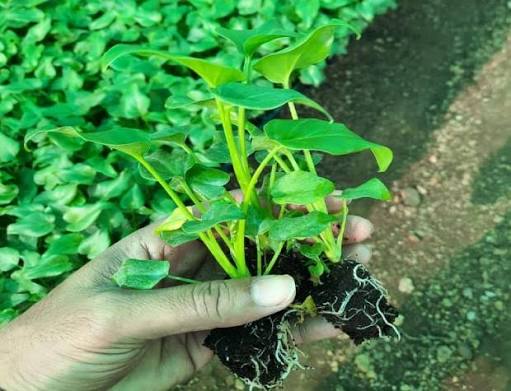
Tissue culture plantlets are initially developed under controlled laboratory conditions. When removed from culture vessels, they must adapt to natural air movement, changing humidity, and different light levels.
This transition can be challenging if plants are exposed to environmental stress too quickly. A controlled greenhouse or propagation room provides a more gradual adjustment process.
A typical acclimatization procedure includes:
- Carefully removing plantlets from their culture containers.
- Cleaning residual culture medium from the roots when necessary.
- Transferring them into a suitable growing medium.
- Maintaining relatively high humidity during early recovery.
- Providing gentle, indirect light.
- Increasing ventilation gradually.
- Monitoring root development and new leaf growth.
Proper acclimatization helps reduce transplant stress and gives young Philodendrons a better opportunity to establish themselves before entering the main nursery production area.
3. Improving Light Management
Light affects leaf development, plant structure, and overall growth. Although Philodendrons generally perform well in bright, indirect light, requirements vary among species and cultivars.
A controlled environment allows growers to regulate light exposure more effectively than an outdoor growing area with unpredictable weather conditions.
Shade structures, greenhouse coverings, and supplemental lighting can help maintain suitable light levels. This is especially useful for young plantlets that may be sensitive to strong direct sunlight.
Variegated varieties may require particular attention because their foliage can respond differently to light conditions. Excessive exposure may damage leaves, while insufficient light can contribute to weak or stretched growth.
Regular monitoring helps growers provide suitable lighting throughout different stages of plant development.
4. Reducing Exposure to Pests and Diseases
Pests and diseases can cause significant losses in commercial plant production. Young Philodendrons may be especially vulnerable when they are adjusting to new growing conditions.
A controlled environment can reduce exposure to some external risks when combined with effective hygiene and monitoring practices.
Useful preventive measures include:
- Cleaning propagation benches and growing containers.
- Using sanitized tools and equipment.
- Inspecting incoming plant material.
- Separating newly received plants when appropriate.
- Removing damaged or infected foliage.
- Monitoring for common pests such as spider mites, mealybugs, and thrips.
- Avoiding excessive moisture and poor air circulation.
Tissue culture propagation also uses laboratory sanitation procedures to reduce contamination during production. However, it does not guarantee that every plant will be completely free from pathogens. Careful inspection and nursery hygiene remain essential after delivery.
5. Encouraging Healthy Root Development
Strong roots are important for successful Philodendron cultivation. They support water and nutrient absorption, help anchor plants, and contribute to stable growth.
A controlled growing environment allows nurseries to manage moisture, growing media, and temperature more consistently. These factors can influence root establishment, particularly during the early stages after acclimatization.
An appropriate growing medium should provide both moisture retention and sufficient drainage. Many growers use airy mixes containing materials such as coco coir, perlite, bark, or other suitable components.
The ideal mixture depends on the variety, container size, irrigation system, and local environmental conditions.
Growers should avoid keeping the medium continuously waterlogged because poor drainage can limit root oxygen availability and increase the risk of root problems.
6. Improving Water and Nutrient Management
Water and nutrients are essential for healthy foliage development, but excessive application can create problems. Overwatering may contribute to root damage, while inappropriate fertilizer concentrations can stress young plants.
Controlled irrigation systems make it easier to provide water according to plant requirements. Drip irrigation, carefully managed hand watering, and other suitable systems can help maintain more consistent moisture levels.
Nutrient management should also be adjusted to plant growth stages. Young plantlets generally require careful feeding rather than heavy fertilizer applications.
A practical management approach includes:
- Checking growing medium moisture before irrigation.
- Using clean water of suitable quality.
- Applying balanced nutrients when plants are established.
- Following appropriate fertilizer concentrations.
- Monitoring foliage for signs of nutrient imbalance.
- Adjusting irrigation according to temperature and humidity.
Regular monitoring helps growers identify problems early and avoid unnecessary water or fertilizer use.
7. Supporting More Uniform Plant Growth
Commercial nurseries often need plants with reasonably consistent size, appearance, and development. This makes inventory management and retail presentation easier.
Tissue culture can help produce batches of plants from selected source material using standardized propagation procedures. When combined with controlled cultivation, it can support more organized production and improve the consistency of growing conditions.
However, uniformity depends on several factors, including cultivar stability, laboratory protocols, plantlet condition, and nursery management.
Growers can support consistent development by grouping plants according to variety and growth stage. They should also monitor environmental conditions and avoid exposing different batches to unnecessary variations in care.
8. Making Nursery Production More Efficient
Controlled growing environments can help commercial nurseries organize their production activities. Rather than relying entirely on changing outdoor conditions, growers can use dedicated areas for propagation, acclimatization, and further cultivation.
This approach makes it easier to manage plant movement and allocate resources.
For example, a nursery may organize its facilities into:
- Acclimatization areas: For newly received tissue culture plantlets.
- Early growth areas: For young plants developing roots and foliage.
- Growing areas: For established plants requiring more space.
- Finishing areas: For plants approaching wholesale or retail size.
This organization can help staff monitor plant development, identify problems, and plan production schedules more effectively.
9. Protecting Plants from Unpredictable Weather
Outdoor cultivation can expose Philodendrons to sudden temperature changes, heavy rainfall, strong winds, and excessive sunlight. These conditions may affect young plants and disrupt production schedules.
Greenhouses and other controlled structures provide a degree of protection from these external factors. They also allow growers to adjust shading, ventilation, irrigation, and other environmental conditions as needed.
This can be especially valuable for nurseries producing tropical plants in regions where outdoor weather does not consistently match their growing requirements.
Although controlled structures cannot eliminate every environmental risk, they offer greater flexibility than relying entirely on natural conditions.
10. Supporting Different Philodendron Varieties
Philodendrons include many species and cultivars with different growth habits and foliage characteristics. A controlled environment allows growers to adjust cultivation practices according to the needs of individual varieties.
For example, climbing varieties such as Philodendron melanochrysum may eventually require vertical support, while terrestrial varieties such as Philodendron gloriosum benefit from growing arrangements that accommodate their creeping growth habit.
Variegated cultivars may also need careful light management to support healthy foliage development.
By grouping plants according to their requirements, nurseries can provide more appropriate care and reduce the risk of applying one cultivation routine to every variety.
11. Improving Quality Control and Production Monitoring
Monitoring is an important part of controlled cultivation. Regular inspections allow growers to identify environmental problems, growth differences, and signs of plant stress before they affect larger batches.
Nurseries can maintain production records covering:
- Plant variety and batch identification
- Delivery and acclimatization dates
- Temperature and humidity readings
- Irrigation and fertilizer schedules
- Root and foliage development
- Pest and disease observations
- Plant survival and growth rates
These records help businesses evaluate cultivation performance and identify areas where production methods can be improved.
They can also support more accurate purchasing and inventory decisions as the nursery expands.
12. Creating Better Conditions for Commercial Growth
A controlled environment can provide commercial growers with greater flexibility when producing Philodendrons for different markets. By managing key growing conditions, nurseries can work toward more predictable development and organize their plant inventory around customer demand.
This is particularly useful for businesses supplying garden centers, indoor plant retailers, landscaping companies, and specialty plant collectors.
However, controlled cultivation involves investment in greenhouse structures, ventilation, irrigation, monitoring equipment, and labor. Businesses should evaluate these costs against their production goals and expected sales volume.
Starting with a manageable growing area and improving systems gradually can help nurseries develop a practical production model.
Conclusion
Growing tissue culture Philodendron plants in a controlled environment offers several advantages for collectors, growers, and commercial nurseries. Stable temperature and humidity, careful acclimatization, improved light management, and more consistent irrigation can support healthy plant establishment and development.
Controlled cultivation also helps businesses organize production, monitor plant health, and adapt growing conditions to different Philodendron varieties. Although it requires appropriate facilities and ongoing management, combining quality tissue culture material with effective environmental control can create a strong foundation for successful tropical plant production.




Post Comment