How a Brake Fluid Pump Supports Efficient Brake System Maintenance and Servicing
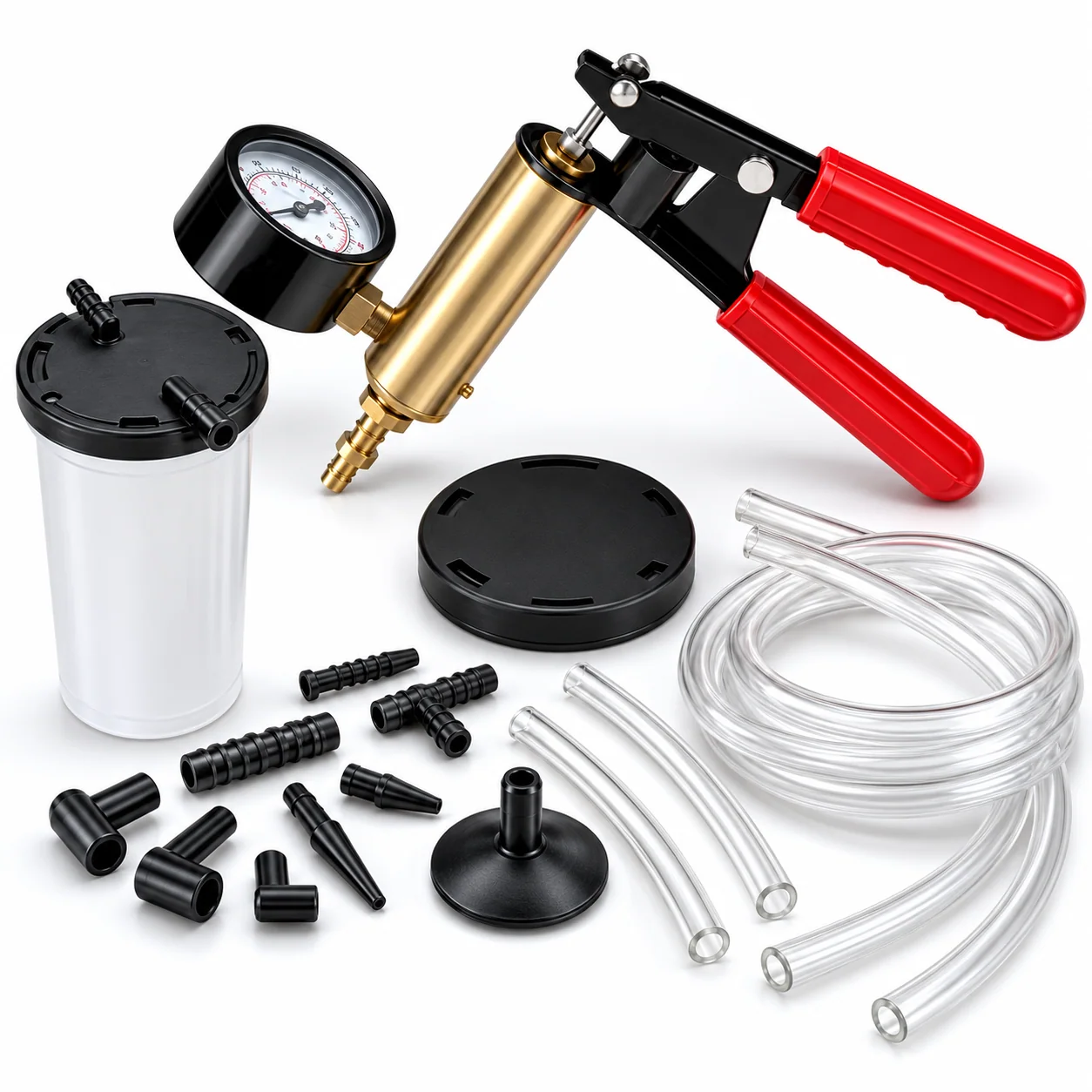
A vehicle’s braking system depends on clean brake fluid and reliable hydraulic pressure to deliver consistent stopping performance. Over time, brake fluid can absorb moisture, become contaminated, or require replacement as part of routine maintenance. During servicing, technicians need suitable equipment to transfer, refill, and circulate brake fluid while minimizing spills and preventing air from entering the hydraulic system. A dedicated pumping tool can make these operations more convenient and controlled.
A Brake Fluid Pump is a service tool or fluid-handling device used to transfer brake fluid into or through parts of a vehicle’s hydraulic braking system. Depending on its design, it may be used for pressure bleeding, fluid filling, extraction, or controlled fluid transfer. By simplifying these tasks, brake fluid pumps can help technicians improve workshop efficiency, maintain cleaner working conditions, and carry out brake system servicing more consistently.
What Is a Brake Fluid Pump?
A brake fluid pump is equipment designed to move brake fluid between a storage container and a vehicle’s braking system. It may be used in professional workshops, automotive service centers, and specialized maintenance environments.
Different types of pumps perform different functions. Some supply fresh brake fluid under controlled pressure to the master cylinder reservoir, while others help extract old fluid or support bleeding procedures.
Common components may include:
- Pump mechanism: Generates the pressure or suction required to move fluid.
- Fluid reservoir: Stores fresh or collected brake fluid.
- Hoses and connectors: Carry fluid between the equipment and the vehicle.
- Pressure regulator: Helps control the pressure supplied during servicing.
- Valves: Control fluid direction and flow.
- Adapters: Provide suitable connections for different brake fluid reservoirs.
- Pressure gauge: Allows technicians to monitor operating pressure on equipment that includes this feature.
The exact configuration depends on whether the equipment is designed for pressure bleeding, vacuum extraction, fluid transfer, or another service application.
How a Brake Fluid Pump Works
The operating process varies according to the type of pump and the maintenance task being performed. However, most systems follow a series of controlled fluid-handling steps.
1. Preparing the Equipment
Before servicing begins, the technician checks the pump, reservoir, hoses, seals, and connections.
The equipment must be clean and compatible with the brake fluid specified by the vehicle manufacturer. Using contaminated equipment can introduce unwanted substances into the hydraulic system.
2. Filling the Fluid Reservoir
Fresh brake fluid is added to the pump’s supply container when the equipment is designed for fluid delivery.
The fluid must meet the required specification, such as the appropriate DOT classification. Different brake fluid types should not be mixed unless the vehicle manufacturer explicitly permits it.
3. Connecting the Pump
The pump is connected to the vehicle’s brake fluid reservoir or designated service connection using a suitable adapter.
Secure connections are important for preventing leaks and maintaining controlled fluid movement.
4. Applying Pressure or Suction
Depending on the equipment design, the pump generates positive pressure to supply fresh fluid or negative pressure to extract existing fluid.
Pressure-based systems can push fresh fluid through the hydraulic circuit, while vacuum-based tools draw fluid through designated bleed points.
5. Circulating or Replacing Brake Fluid
During a bleeding or replacement procedure, fluid is moved through the hydraulic system according to the manufacturer’s service instructions.
Old fluid is removed while fresh fluid is introduced. The technician monitors the reservoir and collection equipment to prevent the system from running dry or becoming contaminated.
6. Completing the Service
Once the procedure is complete, the pump is disconnected and the fluid level is adjusted to the specified range.
The technician then checks connections for leaks, confirms brake pedal feel, and performs any required diagnostic or functional tests.
Different Types of Brake Fluid Pumps and Service Equipment
Several types of equipment are used to handle brake fluid during automotive maintenance. Although their functions overlap, they are not interchangeable in every situation.
1. Pressure Brake Bleeder
A pressure brake bleeder supplies fresh brake fluid to the master cylinder reservoir under controlled pressure.
This allows technicians to open individual bleed screws and move fluid through the hydraulic circuit without repeatedly pressing the brake pedal.
Key characteristics:
- Supplies fresh brake fluid under pressure
- Supports one-person bleeding on many vehicles
- Helps maintain fluid supply during servicing
- Can simplify routine fluid replacement
Pressure settings and connection procedures must follow the equipment and vehicle manufacturers’ instructions.
2. Vacuum Brake Bleeder
A vacuum brake bleeder uses suction to draw fluid through a brake caliper or wheel-cylinder bleed screw.
The extracted fluid and any air present are collected in a dedicated container.
Key characteristics:
- Uses negative pressure for fluid extraction
- Can reduce manual pedal pumping
- Supports controlled fluid collection
- Is useful for many routine bleeding operations
Air entering around bleed screw threads can sometimes create bubbles in the extraction hose, so technicians must verify that the hydraulic system has been properly bled.
3. Electric Brake Fluid Pump
An electric brake fluid pump uses a motor to move fluid through a service system.
Depending on its design, it may support automated fluid delivery or other specialized workshop operations.
Electric equipment can be useful in professional service environments where repeated fluid handling is required.
4. Manual Brake Fluid Pump
A manual pump uses a hand-operated mechanism to transfer fluid.
It may be suitable for small-scale maintenance tasks, fluid filling, or specific workshop applications where powered equipment is unnecessary.
5. Brake Fluid Extractor
A brake fluid extractor is designed primarily to remove fluid from a reservoir or another accessible point.
It can help remove old fluid before refilling, although extraction from the reservoir alone does not replace a complete hydraulic bleeding procedure when air or contaminated fluid remains elsewhere in the system.
Key Benefits of Using a Brake Fluid Pump
Appropriate fluid-handling equipment can make brake system maintenance more convenient and consistent.
1. Improves Servicing Efficiency
A pump can reduce the time and physical effort required to transfer or replace brake fluid.
Pressure and electric systems can simplify repeated service operations, allowing technicians to focus on monitoring fluid condition and checking the hydraulic system.
2. Reduces Manual Effort
Traditional brake bleeding often involves repeated pedal pumping, which may require two technicians.
Suitable pressure bleeding equipment can reduce the need for this manual process and allow one technician to complete many routine procedures.
3. Supports Controlled Fluid Transfer
A properly designed pump helps move brake fluid through suitable hoses and connections.
Pressure regulators and valves, where provided, help technicians control fluid movement and reduce the likelihood of uncontrolled spills.
4. Helps Maintain Clean Working Conditions
Dedicated reservoirs and collection containers make it easier to manage old and fresh brake fluid separately.
This reduces unnecessary spills and helps prevent contamination during servicing.
5. Supports Consistent Brake Fluid Replacement
Using appropriate service equipment can make fluid replacement more repeatable.
A consistent procedure helps technicians follow manufacturer recommendations and maintain suitable fluid levels throughout the operation.
6. Helps Reduce the Risk of Air Entry
Some pressure bleeding systems maintain a continuous supply of fresh fluid to the master cylinder reservoir.
This can reduce the risk of the reservoir running dry during bleeding, although correct setup and monitoring remain essential.
7. Suitable for Professional Workshop Use
Automotive workshops service many vehicle types with different brake system configurations.
A suitable range of pumps, hoses, and adapters can help technicians handle different servicing requirements more efficiently.
Why Regular Brake Fluid Maintenance Is Important
The primary purpose of using a brake fluid pump is to support correct brake system servicing. Maintaining the condition of brake fluid is important for several reasons.
Maintains Hydraulic Pressure Transfer
Brake fluid transfers force from the master cylinder to the wheel brakes.
Because hydraulic fluid is designed to transmit pressure, contamination and air in the system can interfere with normal operation.
Helps Manage Moisture Contamination
Most glycol-based brake fluids are hygroscopic, meaning they absorb moisture over time.
As moisture content increases, the fluid’s boiling point can decrease. This may increase the risk of vapor formation under high braking temperatures.
Helps Protect Internal Components
Moisture and contaminated fluid can contribute to corrosion inside the master cylinder, calipers, wheel cylinders, and hydraulic control components.
Replacing fluid at the recommended intervals helps manage this risk.
Supports Reliable Braking Under Heat
Braking generates heat at the wheel assemblies.
Brake fluid must maintain suitable performance at the temperatures associated with normal vehicle operation. Using the correct fluid and following the recommended replacement schedule help preserve braking reliability.
Supports ABS and Electronic Braking Systems
Modern vehicles use hydraulic components alongside technologies such as Anti-lock Braking Systems and Electronic Stability Control.
Some ABS hydraulic control units can retain air in internal passages. These vehicles may require a manufacturer-specific bleeding procedure, sometimes involving a diagnostic tool to activate valves and pumps.
Common Applications of Brake Fluid Pumps
Brake fluid pumps and related service equipment are used in a variety of automotive maintenance operations.
Routine Brake Fluid Replacement
During scheduled maintenance, technicians remove old fluid and introduce fresh fluid according to the vehicle manufacturer’s instructions.
A suitable pump can simplify fluid transfer and support a controlled replacement procedure.
Brake Caliper Replacement
Replacing a caliper opens part of the hydraulic circuit and may introduce air.
Pressure or vacuum bleeding equipment can help remove air after installation, provided the correct procedure is followed.
Brake Hose and Line Repairs
Replacing damaged hydraulic lines or flexible hoses can allow air to enter the system.
Appropriate bleeding equipment helps technicians restore the hydraulic circuit after repairs.
Master Cylinder Servicing
When a master cylinder is replaced or repaired, the system may require bench bleeding and subsequent vehicle-level bleeding.
Suitable fluid handling tools can support these operations.
ABS Hydraulic System Maintenance
Some vehicles require specialized procedures to remove air from the ABS hydraulic control unit.
A compatible pressure bleeder, diagnostic scan tool, or other manufacturer-approved equipment may be necessary.
Automotive Workshop Operations
Professional workshops use brake fluid handling equipment to support routine servicing, component replacement, and hydraulic system repairs.
The correct tool depends on the vehicle and the specific maintenance task.
Common Problems During Brake Fluid Pump Operation
Even suitable equipment requires correct handling. Several issues can affect fluid transfer and bleeding quality.
Fluid leakage: Loose adapters, worn seals, or damaged hoses can allow brake fluid to escape. Connections should be inspected before pressure or suction is applied.
Incorrect pressure: Excessive pressure may damage the reservoir or seals if it exceeds the equipment or vehicle manufacturer’s limits. Pressure must always be controlled according to the approved procedure.
Air entering the system: A low fluid supply, loose connection, or incorrect bleeding sequence may introduce air into the hydraulic circuit.
Contaminated fluid: Dirty containers, unsuitable hoses, or mixing incompatible fluids can compromise brake fluid quality.
Slow fluid movement: Blocked hoses, restricted bleed screws, or equipment faults may reduce flow. The tool and hydraulic system should be checked before continuing.
Persistent soft brake pedal: A soft pedal after servicing may indicate remaining air, a leak, or another hydraulic fault. The vehicle should not be returned to normal use until the cause has been identified and corrected.
Safety Precautions When Using a Brake Fluid Pump
Brake fluid servicing must be performed carefully because the braking system is essential to vehicle safety.
- Use the correct fluid specification: Follow the vehicle manufacturer’s recommended brake fluid type.
- Keep equipment clean: Use dedicated, clean containers and hoses to prevent contamination.
- Control operating pressure: Never exceed the specified pressure limits for the equipment or vehicle.
- Avoid reservoir emptying: Maintain the required fluid supply during bleeding to prevent air from entering the hydraulic system.
- Protect painted surfaces: Brake fluid can damage paint, so spills should be cleaned promptly using an appropriate method.
- Inspect all connections: Check hoses, adapters, bleed screws, and reservoir fittings for leakage.
- Follow the specified bleeding sequence: Wheel order and service procedures can vary between vehicles.
- Verify the final result: Check fluid level, brake pedal feel, warning indicators, and system condition before returning the vehicle to service.
Technicians should also follow any additional precautions specified for vehicles with ABS, electronic parking brakes, or integrated electronic braking systems.
How to Choose the Right Brake Fluid Pump
Selecting suitable equipment depends on the workshop’s servicing needs and the types of vehicles being maintained.
Pump Type and Function
Determine whether the main requirement is pressure bleeding, vacuum extraction, fluid transfer, or automated fluid replacement.
Choosing equipment designed for the intended task helps avoid compatibility problems.
Pressure Control
For pressure-based systems, a reliable regulator and clear pressure indication are important.
The equipment should allow operation within the limits specified by the vehicle manufacturer.
Reservoir Capacity
A suitable reservoir reduces the need for frequent refilling or emptying during servicing.
The ideal capacity depends on the number of vehicles serviced and the type of work performed.
Hose and Adapter Compatibility
Different vehicles use different reservoir designs and service connections.
A selection of compatible adapters helps ensure secure connections and efficient operation.
Build Quality
Durable housings, reliable seals, and suitable fluid-resistant materials contribute to equipment longevity.
Professional workshops should consider tools designed for frequent use.
Ease of Cleaning and Maintenance
Equipment should be easy to inspect, clean, and maintain.
Following the manufacturer’s care instructions helps prevent residue buildup and fluid contamination.
Best Practices for Maintaining Brake Fluid Pump Equipment
Regular equipment maintenance helps preserve performance and prevent problems during servicing.
- Inspect hoses and seals for wear or damage.
- Clean reservoirs and collection containers after use.
- Check pressure regulators and gauges where fitted.
- Keep fresh and used brake fluid in separate containers.
- Use only compatible cleaning methods and materials.
- Store equipment in a clean, dry environment.
- Follow the manufacturer’s maintenance and inspection schedule.
These practices help maintain reliable fluid handling and extend the useful life of workshop equipment.
Conclusion
A brake fluid pump is a valuable tool for automotive maintenance because it helps technicians transfer, extract, or circulate brake fluid during servicing. Depending on its design, it can support pressure bleeding, vacuum extraction, and controlled fluid replacement.
Using appropriate equipment can reduce manual effort, improve workshop efficiency, and help maintain cleaner servicing conditions. However, successful brake maintenance also depends on correct fluid selection, suitable operating pressure, careful bleeding procedures, and thorough final inspection.
By choosing the right equipment and following vehicle-specific service instructions, technicians can maintain hydraulic braking systems more effectively and support reliable vehicle operation.





Post Comment