What Makes Pop Oil Painting a Distinctive Form of Contemporary Art
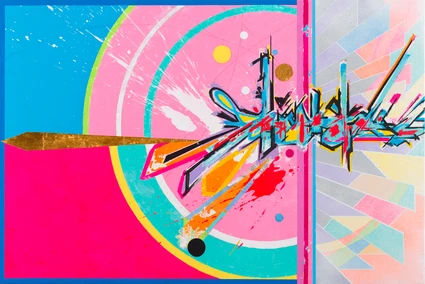
Contemporary art is constantly evolving as artists explore new ways to communicate ideas, interpret culture, and challenge traditional creative boundaries. Among the artistic styles that continue to attract attention, pop art holds a distinctive position because of its connection with popular culture, recognizable imagery, and expressive visual language. Its combination with traditional oil painting techniques creates an interesting relationship between modern artistic ideas and established craftsmanship.
The appeal of Pop Oil Painting comes from its ability to transform familiar subjects into visually engaging compositions. Artists use vibrant pigments, unconventional color combinations, expressive brushwork, and creative arrangements to give everyday imagery a new identity. This approach makes the style recognizable while allowing considerable freedom for personal interpretation and experimentation.
The Origins of Pop Art and Its Artistic Influence
Pop art emerged during the 1950s and became an influential movement in the 1960s. Artists began exploring imagery from advertising, comic books, consumer products, celebrity culture, and mass media instead of relying exclusively on traditional artistic subjects.
This shift challenged established ideas about the relationship between fine art and popular culture. Everyday images became legitimate subjects for artistic exploration, creating opportunities to examine modern lifestyles and consumer behavior.
Over time, pop art developed into an internationally recognized visual language. Contemporary artists continue adapting its characteristics to reflect changing cultural interests and modern experiences.
The Unique Combination of Traditional Oil Painting and Modern Imagery
One of the features that distinguishes pop-inspired oil artwork is the combination of a traditional painting medium with contemporary subjects.
Oil painting has a long artistic history and is valued for its rich pigmentation, blending capabilities, and surface versatility. Pop art, meanwhile, often emphasizes simplified forms, bold outlines, and recognizable cultural references.
Bringing these approaches together creates a distinctive contrast. Modern imagery gains additional depth through traditional painting methods, while oil painting becomes a medium for exploring contemporary themes.
Bold Colors That Define Its Visual Identity
Color is among the most recognizable characteristics of pop-inspired artwork. Artists frequently use intense shades and unexpected combinations to create compositions that immediately attract attention.
Vibrant and Unconventional Palettes
Bright red, yellow, blue, green, orange, and pink are commonly used to establish strong visual relationships.
Unlike traditional realistic representations, pop-inspired compositions may feature colors that deliberately differ from the natural appearance of their subjects. This freedom allows artists to emphasize particular elements and develop individual visual styles.
The Role of Contrast
Contrast helps separate different parts of a composition and establishes a clear focal point. Artists may combine bright colors with darker backgrounds or place complementary shades next to one another.
These choices create visual energy while helping viewers understand the arrangement of different elements.
Emotional Expression Through Color
Colors can influence the mood of an artwork. Warm shades may communicate enthusiasm and excitement, while cooler tones can introduce calmness or visual balance.
By combining different color relationships, artists can communicate emotions without depending entirely on realistic details.
Everyday Objects as Sources of Artistic Inspiration
Another defining characteristic of pop art is its connection with ordinary experiences. Artists often use familiar objects to explore creative ideas and cultural references.
Common subjects include:
- Food products and commercial packaging.
- Celebrity portraits and entertainment figures.
- Fashion accessories and lifestyle imagery.
- Household objects and consumer electronics.
- Advertising graphics and comic-inspired illustrations.
- Urban environments and popular cultural symbols.
These subjects are recognizable to viewers, but artists transform them through unusual perspectives, exaggerated proportions, repeated patterns, and expressive colors.
As a result, ordinary objects become opportunities for artistic interpretation rather than simple visual representations.
The Importance of Texture and Brushwork
Although pop art is often associated with flat colors and graphic imagery, oil painting introduces additional surface qualities that make each composition distinctive.
Expressive Brushstrokes
Artists can use controlled brushwork to create clean areas of color or more spontaneous strokes to introduce movement.
The choice depends on the desired appearance and the relationship between different elements in the painting.
Layering and Pigment Depth
Oil paints can be applied in multiple layers to create richer colors and refine visual details. This technique allows artists to establish depth while maintaining the bold appearance associated with pop art.
Textured Surfaces
Thicker applications of paint can create raised textures that interact with light differently from smoother areas.
These variations introduce a physical quality that distinguishes traditional oil paintings from digitally reproduced artwork.
How Popular Culture Shapes Contemporary Pop Art
Pop art has always maintained a close relationship with the cultural environment in which it develops. Earlier artists explored television, magazines, advertising, and celebrity culture, while contemporary painters have access to an expanding range of visual influences.
Social media, digital entertainment, gaming, modern fashion, and online communities now provide new subjects for artistic exploration.
Artists may reinterpret familiar digital images using traditional painting techniques or create compositions that examine the influence of technology on everyday life.
This ability to respond to changing cultural trends helps pop art remain relevant while preserving its recognizable visual characteristics.
Creative Freedom and Individual Artistic Interpretation
Pop-inspired oil painting does not depend on a single fixed method. Artists can experiment with different techniques, subjects, and visual arrangements while maintaining the broader principles of the style.
Some painters prefer simplified compositions with strong outlines and limited details. Others develop more complex works featuring layered textures, abstract backgrounds, and multiple cultural references.
This flexibility encourages artistic individuality. Even when two painters choose the same subject, their use of color, composition, and brushwork can produce very different results.
The freedom to reinterpret familiar imagery is one of the reasons this style continues to attract creative interest.
The Role of Pop Oil Painting in Modern Interior Design
The distinctive appearance of pop-inspired artwork also makes it relevant to contemporary interior decoration. Its bold colors and recognizable subjects can introduce personality into spaces with otherwise understated designs.
Living Rooms and Social Spaces
A large painting can become a focal point in a living room, particularly when displayed against a neutral wall. Its colors can create contrast and connect different decorative elements.
Offices and Creative Studios
Pop-inspired compositions can add individuality to workspaces and creative environments. Abstract patterns, graphic subjects, and vibrant color combinations are common choices.
Bedrooms and Personal Spaces
Smaller paintings with coordinated color palettes can complement bedrooms and private areas. Selecting artwork that reflects personal interests can make these spaces feel more individual.
The most suitable choice depends on the room’s dimensions, existing colors, lighting, and overall decorative style.
What Separates Pop Oil Painting From Other Contemporary Art Styles?
Pop-inspired oil artwork has several characteristics that distinguish it from other approaches to contemporary painting.
- Cultural references: It frequently uses subjects from entertainment, advertising, and everyday life.
- Expressive colors: Bold palettes and unconventional color combinations create a recognizable appearance.
- Traditional materials: Oil paints introduce depth, texture, and physical brushwork.
- Accessible imagery: Familiar subjects help viewers connect with the composition.
- Creative experimentation: Artists can reinterpret ordinary objects through individual techniques and perspectives.
These qualities create a balance between familiarity and originality, making the style visually distinctive without restricting artistic freedom.
The Continuing Relevance of Pop-Inspired Oil Artwork
Contemporary art continues to change as new technologies, social interests, and cultural influences emerge. Pop art remains adaptable because its subjects are closely connected with everyday experiences.
Future artists may explore artificial intelligence, virtual environments, environmental issues, digital identity, and changing consumer behavior through the established visual language of pop art.
Traditional oil painting techniques will continue offering opportunities to interpret these themes through physical materials and individual craftsmanship.
This combination of evolving subject matter and established artistic methods allows pop-inspired oil painting to remain an interesting part of contemporary visual culture.
Conclusion
Pop oil painting is a distinctive form of contemporary art because it combines the visual language of popular culture with the richness of traditional oil painting. Its bold colors, recognizable subjects, expressive textures, and creative compositions provide artists with opportunities to explore modern ideas through established artistic techniques.
Beyond its visual appeal, this style reflects changing cultural influences and encourages viewers to reconsider familiar objects from new perspectives. Its balance of tradition, experimentation, and individuality continues to make it a meaningful part of modern artistic expression.





Post Comment