Ways to Improve the Operating Life of Vertical Shaft Bearings
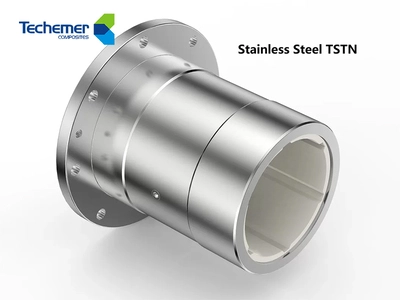
Vertical shaft bearings play an essential role in maintaining the stability and performance of industrial machinery. They support rotating shafts, manage axial and radial forces, and help ensure smooth operation in equipment such as vertical pumps, turbines, and other heavy-duty systems. Because these machines often operate under continuous loads and demanding conditions, bearing wear can become a significant maintenance concern.
Extending the service life of Vertical Shaft Bearings requires more than selecting a durable bearing. Proper lubrication, accurate alignment, load management, contamination control, and regular inspections all contribute to long-term performance. By following effective maintenance practices, industrial facilities can reduce premature failures, minimize downtime, and improve equipment reliability.
Why Bearing Service Life Matters
Bearing service life directly affects the availability and operating costs of industrial machinery. When a bearing deteriorates prematurely, the resulting damage may extend to shafts, seals, couplings, and other connected components.
A well-maintained bearing arrangement can provide several benefits:
- Reduced maintenance costs: Fewer unexpected repairs and replacements help control operating expenses.
- Improved equipment availability: Reliable bearings reduce the risk of unplanned shutdowns.
- Better mechanical efficiency: Appropriate lubrication and alignment help limit unnecessary friction.
- Longer component life: Reduced vibration and wear protect surrounding machinery.
- Consistent operation: Stable bearing performance supports predictable equipment operation.
Bearing life depends on operating conditions, material properties, lubrication, installation quality, and maintenance practices. Therefore, improving service life requires attention to the complete bearing system.
1. Select the Correct Bearing for the Application
Proper bearing selection is the foundation of long-term reliability. A bearing that does not match the machine’s operating conditions may experience excessive stress, overheating, or premature wear.
Before selecting a bearing, engineers should evaluate the following factors.
Load Capacity
Vertical shaft systems may experience axial thrust and radial forces. Axial loads act along the shaft, while radial loads act perpendicular to it.
The selected bearing arrangement must accommodate the expected forces within its specified operating limits. Engineers should also consider startup conditions, hydraulic forces, shaft weight, and potential load variations.
Operating Speed
Rotational speed influences friction, heat generation, and lubrication requirements.
A bearing designed for low-speed operation may not perform reliably at higher speeds. Always verify the manufacturer’s speed limits and operating recommendations.
Material Compatibility
Bearing materials should match the operating environment. Applications involving water, chemicals, abrasive particles, or high temperatures may require specialized materials.
Lubrication Requirements
The bearing design must be compatible with the available lubrication method, whether oil, grease, water, or a specified self-lubricating material.
Selecting a suitable bearing from the beginning reduces the risk of operating problems and unnecessary replacements.
2. Maintain Proper Lubrication
Lubrication is one of the most important factors affecting bearing service life. It reduces friction between moving surfaces, helps control operating temperatures, and protects against excessive wear.
Insufficient or unsuitable lubrication can lead to surface damage and premature bearing failure.
Use the Recommended Lubricant
Always follow the bearing manufacturer’s specifications for lubricant type, viscosity, and operating temperature.
Different bearing designs require different lubrication methods. Oil, grease, and water cannot be treated as interchangeable options.
Maintain the Correct Lubricant Quantity
Too little lubricant can cause increased friction and wear. Excessive grease or oil may also create problems, including churning and higher operating temperatures in systems not designed for excess lubricant.
Follow the recommended quantity and replenishment schedule.
Keep Lubricants Clean
Contaminated lubricants may contain dirt, moisture, metal particles, or other substances that damage bearing surfaces.
Use clean storage containers, suitable filtration where applicable, and effective sealing to prevent contamination.
Monitor Lubricant Condition
Inspect lubricant for unusual discoloration, contamination, or deterioration. For critical equipment, periodic lubricant analysis can help identify developing problems.
3. Ensure Accurate Shaft and Bearing Alignment
Misalignment can create uneven loads and increase friction between bearing surfaces.
In vertical shaft machinery, accurate positioning is particularly important because multiple bearings may support the shaft at different locations.
Check Alignment During Installation
Before operating the equipment, verify shaft position, bearing placement, mounting surfaces, and specified clearances.
Use suitable measurement tools, such as dial indicators or laser alignment systems, according to the equipment configuration.
Monitor Alignment During Operation
Foundation movement, thermal expansion, shaft deflection, and component wear can affect alignment over time.
Periodic checks help identify changes before they cause significant bearing damage.
Inspect Connected Components
Couplings, seals, and supporting structures should also be inspected because their condition can influence shaft alignment and bearing loading.
4. Control Axial and Radial Loads
Excessive loading is a major contributor to bearing deterioration.
Vertical shaft systems may experience axial loads from rotating component weight and hydraulic thrust, while radial loads can result from imbalance, shaft deflection, and hydraulic forces.
To improve bearing life:
- Confirm that the bearing arrangement matches the expected load conditions.
- Avoid operating machinery outside its intended performance range.
- Investigate unusual hydraulic or mechanical loading.
- Maintain suitable bearing spacing and shaft support.
- Monitor changes in vibration and shaft movement.
Repeated bearing failures may indicate that the original load calculations or bearing arrangement need to be reviewed.
5. Prevent Contamination and Corrosion
Contamination can damage bearing surfaces and interfere with lubrication.
Dust, sand, suspended solids, moisture, and chemical substances may enter the bearing system through damaged seals, unsuitable storage, or poor maintenance practices.
Use Suitable Sealing Arrangements
Seals and protective components help prevent unwanted substances from entering the bearing assembly.
Inspect them regularly for damage, leakage, and deterioration.
Maintain Clean Operating Conditions
Keep bearing housings, lubrication equipment, and maintenance tools clean. Avoid exposing open bearings to dusty or wet environments during installation and servicing.
Consider Material Compatibility
For water-handling and chemical applications, select bearing materials that are compatible with the operating fluid.
In water-lubricated systems, pay particular attention to suspended particles and water quality.
6. Monitor Vibration and Operating Temperature
Condition monitoring helps maintenance teams identify early signs of bearing deterioration.
Two particularly useful indicators are vibration and temperature.
Vibration Monitoring
Increased vibration may indicate:
- Bearing wear.
- Shaft misalignment.
- Rotor imbalance.
- Loose mounting components.
- Uneven load distribution.
- Developing mechanical damage.
Record vibration measurements and compare them with established baselines. Investigate unusual changes rather than waiting for visible damage.
Temperature Monitoring
Rising bearing temperature may indicate insufficient lubrication, excessive loading, incorrect clearance, or increased friction.
Monitor operating temperatures and compare them with manufacturer limits and normal equipment readings.
A sudden temperature increase should be investigated promptly.
7. Follow Proper Installation and Handling Procedures
Even a high-quality bearing can fail prematurely if it is installed incorrectly.
Improper handling may damage bearing surfaces, distort components, or introduce contamination before operation begins.
Recommended installation practices include:
- Clean the shaft, housing, and mounting surfaces.
- Check dimensions and tolerances before assembly.
- Inspect the bearing for transport or storage damage.
- Use suitable tools and installation methods.
- Avoid applying force through sensitive bearing surfaces.
- Verify alignment and clearance after installation.
- Confirm that the lubrication system is ready before startup.
Follow the manufacturer’s installation instructions because different bearing types require different fitting and mounting procedures.
8. Establish a Preventive Maintenance Schedule
A structured preventive maintenance program helps identify problems before they lead to major equipment failure.
Maintenance intervals should reflect operating hours, environmental conditions, equipment criticality, and manufacturer recommendations.
A practical maintenance program may include:
| Maintenance activity | Purpose |
|---|---|
| Visual inspection | Identify physical damage, corrosion, and leakage |
| Lubricant inspection | Check cleanliness and lubricant condition |
| Temperature monitoring | Detect excessive friction or loading |
| Vibration analysis | Identify developing mechanical problems |
| Alignment checks | Confirm correct shaft positioning |
| Clearance measurement | Identify excessive wear or incorrect fitting |
| Seal inspection | Prevent contamination and lubricant leakage |
| Service documentation | Track changes and recurring problems |
Inspection frequency should be adjusted according to equipment condition and operating experience rather than using one schedule for every application.
9. Replace Worn Components at the Right Time
Continuing to operate a damaged bearing can cause further deterioration and affect other machine components.
Maintenance teams should understand the warning signs that indicate a bearing may require repair or replacement.
Common indicators include:
- Excessive noise during operation.
- Persistent vibration above established limits.
- Visible scoring or surface damage.
- Abnormal bearing temperature.
- Excessive shaft movement.
- Clearance outside manufacturer specifications.
- Repeated lubrication-related problems.
Before replacing a failed bearing, identify the cause of the damage. Otherwise, the replacement may experience the same operating conditions and fail again.
10. Train Maintenance Personnel and Maintain Records
Proper maintenance depends on consistent procedures and accurate information.
Maintenance personnel should understand the bearing arrangement, lubrication requirements, installation procedures, and common failure symptoms.
Training should cover:
- Correct lubricant handling.
- Bearing inspection methods.
- Safe installation and removal procedures.
- Vibration and temperature monitoring.
- Contamination prevention.
- Recognition of abnormal operating conditions.
Accurate records should include inspection dates, measured clearances, vibration readings, lubricant changes, operating temperatures, and replacement history.
These records help identify recurring issues and support better maintenance decisions.
Common Mistakes That Reduce Bearing Service Life
Some maintenance practices can unintentionally shorten bearing life.
| Common mistake | Potential effect |
|---|---|
| Using the wrong lubricant | Poor film formation and increased wear |
| Over-lubricating | Churning, heat generation, and leakage |
| Ignoring shaft misalignment | Uneven loads and vibration |
| Allowing contamination | Abrasive wear and corrosion |
| Operating beyond load limits | Excessive contact stress and fatigue |
| Incorrect installation | Surface damage and unsuitable clearances |
| Ignoring temperature changes | Delayed detection of developing faults |
| Replacing bearings without root-cause analysis | Repeated premature failures |
Avoiding these mistakes helps maintain stable operating conditions and reduce unnecessary maintenance expenses.
Techemer provides information about industrial bearing solutions that can help engineers and maintenance professionals evaluate bearing requirements for vertical pump systems.
Conclusion
Improving the operating life of vertical shaft bearings requires a combination of suitable bearing selection, proper lubrication, accurate alignment, effective load management, and consistent maintenance.
Regular vibration and temperature monitoring can reveal early signs of deterioration, while contamination control and correct installation procedures help prevent avoidable damage. A preventive maintenance program also allows industrial facilities to identify recurring problems and plan repairs before unexpected failures occur.
By applying these practices and following manufacturer recommendations, businesses can improve bearing reliability, reduce equipment downtime, and extend the service life of vertical shaft machinery.





Post Comment