Exploring the Latest Design Trends Reflected in KingKonree Bathroom Products
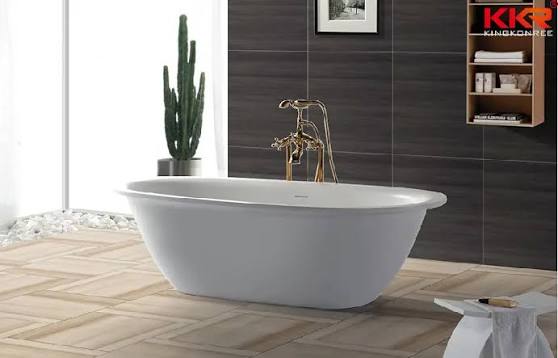
Bathroom design continues to evolve as homeowners, architects, and interior designers look for ways to combine visual appeal with everyday functionality. Modern bathrooms are no longer treated simply as utility spaces. They are increasingly designed as comfortable environments that reflect personal preferences, architectural styles, and practical lifestyle requirements. This shift has influenced the shapes, materials, colors, and configurations used in contemporary bathroom products.
Current design preferences also emphasize simplicity, efficient layouts, coordinated surfaces, and durable materials. Manufacturers in the bathroom industry must consider these expectations when developing products for different markets and project types. KingKonree operates in the solid surface and bathroom products sector, where material choices and product design are important elements of modern bathroom planning.
Minimalist Design and Clean Visual Lines
Minimalism remains an influential direction in contemporary bathroom interiors. It focuses on reducing unnecessary decorative elements and creating a balanced environment through simple forms, restrained colors, and carefully planned layouts.
Simple Washbasin Shapes
Washbasins with clean geometric lines can complement minimalist interiors. Rectangular, oval, and softly curved designs offer different visual effects while supporting everyday washing needs.
The appropriate shape depends on the available countertop space, bathroom dimensions, and the preferred interior style.
Uncluttered Countertop Designs
A well-planned countertop provides useful space without making the vanity area appear crowded.
Integrated basin arrangements and coordinated storage can help create a more organized appearance, particularly in compact residential bathrooms.
Neutral Color Palettes
White, beige, gray, and other understated colors remain common choices for minimalist bathrooms.
These shades can work with different tile patterns, cabinet materials, and lighting arrangements, making them adaptable to a variety of interior concepts.
Natural-Inspired Colors and Textures
Another noticeable design direction is the use of natural-inspired elements. Designers often introduce colors and textures that create a connection with stone, wood, and other natural materials.
Earthy Color Combinations
Warm beige, sand, soft brown, and muted gray can create a calm bathroom atmosphere.
These colors may be incorporated through countertops, wall finishes, flooring, and selected bathroom fixtures.
Stone-Inspired Surface Appearances
Stone-inspired finishes provide visual texture and can add character to contemporary interiors.
When choosing a surface, designers should consider how its pattern and color coordinate with other materials in the room.
Balanced Material Combinations
Combining solid surface products with wood-effect cabinetry, ceramic tiles, or metal fittings can create visual contrast.
The key is to maintain a consistent color scheme and avoid introducing too many competing textures.
The Growing Interest in Solid Surface Bathroom Products
Material selection has a major influence on bathroom design. Solid surface materials are used in products such as washbasins, countertops, and selected bathtub designs.
Their design possibilities depend on the specific material formulation and manufacturing methods.
Flexible Product Shapes
Solid surface materials can support different product shapes and configurations, depending on their composition and fabrication process.
This flexibility can help designers explore integrated basins, curved forms, and customized countertop arrangements.
Coordinated Surface Finishes
A consistent surface appearance can contribute to a unified bathroom design.
Designers may compare available finishes to determine which options work best with surrounding tiles, cabinets, and fixtures.
Practical Maintenance Considerations
Bathroom surfaces need regular cleaning because they are exposed to water, soap, and personal care products.
Maintenance requirements vary between formulations and finishes. Product-specific care instructions should guide the choice of cleaning materials and methods.
Integrated Washbasins and Countertop Designs
Integrated bathroom products are becoming an important consideration in modern interior planning.
Combining functional elements can create a more continuous appearance and reduce visual interruptions around the vanity area.
Seamless-Looking Basin Arrangements
Integrated basin designs can provide a coordinated transition between the washing area and countertop.
Their suitability depends on product construction, installation requirements, and the maintenance needs of the selected material.
Better Use of Vanity Space
Combining the basin and countertop in a coordinated design may help organize everyday bathroom essentials.
Designers should still provide enough usable surface area and consider the placement of taps, drainage, and storage.
Applications in Different Bathroom Sizes
Integrated designs can be used in both compact and spacious bathrooms.
For smaller rooms, dimensions should be carefully planned to preserve movement space. Larger bathrooms may allow wider countertops and more prominent basin arrangements.
Space-Saving Designs for Modern Homes
Urban housing patterns have increased the importance of efficient bathroom layouts. Apartments and smaller homes often require fixtures that provide practical functionality without occupying unnecessary space.
Compact Washbasins
Smaller basins can be suitable for guest bathrooms, narrow vanity areas, and compact residential layouts.
Their dimensions should allow comfortable use while leaving sufficient clearance around nearby fixtures.
Wall-Mounted and Floating Vanity Concepts
Floating vanity designs can create a lighter visual appearance and make the floor area easier to access for cleaning.
The installation must include suitable wall support and account for plumbing arrangements.
Multi-Functional Bathroom Planning
Designers can improve space efficiency by coordinating storage, countertops, mirrors, and washbasins.
A carefully planned layout helps ensure that each component serves a useful purpose without overcrowding the room.
Customization and Personalized Bathroom Interiors
Personalization is an important part of contemporary interior design. Homeowners and commercial clients may prefer bathroom products that reflect a particular architectural concept or meet unusual spatial requirements.
Customized Dimensions
Standard product sizes do not always suit every project.
Customized dimensions may help accommodate unusual countertop lengths, narrow rooms, or specific installation conditions.
Different Colors and Finishes
The availability of different finishes can help designers coordinate bathroom fixtures with the wider interior palette.
Samples should be reviewed before final selection because lighting and surrounding materials can influence how a color appears.
Distinctive Product Configurations
Some projects require unusual basin shapes, integrated countertops, or coordinated product arrangements.
Before specifying a customized design, architects should confirm that the proposed configuration is technically achievable and compatible with installation requirements.
Contemporary Bathtub Design Trends
Bathtubs can serve as both functional fixtures and important visual features in larger bathrooms.
Modern designs often focus on balanced proportions, comfortable use, and coordination with surrounding surfaces.
Freestanding Bathtub Concepts
Freestanding bathtubs are frequently used as focal points in spacious residential and hospitality bathrooms.
Their placement requires careful consideration of plumbing access, floor support, circulation space, and cleaning access.
Simple Geometric Forms
Clean silhouettes and balanced proportions can help bathtubs complement minimalist and contemporary interiors.
Designers should consider the relationship between the bathtub’s exterior shape and its internal dimensions.
Material and Finish Coordination
A bathtub should work visually with the basin, countertop, flooring, and other bathroom elements.
Comparing material samples and finish options can help create a more consistent design scheme.
Luxury Design Without Excessive Decoration
Modern luxury bathrooms often focus on material quality, proportions, lighting, and carefully selected details rather than elaborate decoration.
Refined Surface Finishes
A well-chosen surface finish can influence the overall character of a bathroom.
Matte and polished appearances create different visual effects, so the selection should reflect the desired atmosphere and maintenance expectations.
Balanced Lighting
Lighting can highlight product shapes and surface details while improving everyday usability.
A combination of suitable general, task, and accent lighting can help create a comfortable environment.
Coordinated Fixtures
Matching or complementary basin designs, countertops, taps, mirrors, and storage units can make a bathroom feel more cohesive.
Designers should consider the entire space rather than choosing each product independently.
Accessibility and User-Centered Bathroom Design
A growing emphasis on inclusive design is encouraging architects to consider how bathrooms can serve people with different mobility and usability requirements.
Comfortable Fixture Placement
Washbasin height, countertop clearance, and access to taps should be evaluated according to the needs of intended users.
Safe Movement Areas
Adequate circulation space helps people move around bathroom fixtures more comfortably.
Door openings, shower enclosures, and storage units should be considered when planning the layout.
Accessible Product Selection
Some projects require fixtures and layouts that comply with specific accessibility standards.
Architects should verify local building regulations and ensure that product dimensions and installation arrangements meet the relevant requirements.
Technology and Modern Bathroom Functionality
Technology is influencing bathroom design through connected devices, improved lighting systems, and more convenient fixture controls.
Although technology should not replace practical design, it can improve how people interact with modern bathroom environments.
Smart Mirrors and Lighting
Smart mirrors may include features such as adjustable lighting, display functions, and anti-fog systems.
Their installation requires appropriate electrical planning and coordination with the bathroom layout.
Sensor-Based Fixtures
Touchless taps and sensor-operated controls can be useful in certain residential and commercial environments.
Designers should consider maintenance access, power requirements, and compatibility with existing plumbing systems.
Coordinated Technology Integration
Technology should be incorporated without making the bathroom unnecessarily complicated.
The most effective approach is to select features that solve specific usability problems and suit the intended users.
Sustainability and Responsible Material Choices
Environmental considerations are becoming more relevant to bathroom product selection.
Design professionals increasingly examine material efficiency, product longevity, packaging, and manufacturing practices when evaluating available solutions.
Efficient Material Use
Accurate product measurements and careful fabrication planning can help reduce unnecessary material waste.
Long-Term Product Selection
Choosing fixtures that suit their intended application may reduce premature replacement.
Correct installation and maintenance also contribute to a product’s useful life.
Verifying Environmental Claims
Buyers should request reliable documentation when evaluating claims about recycled content, emissions, or environmental certifications.
Such claims should be supported by information relevant to the specific product or manufacturing process.
How Designers Can Apply These Trends in Real Projects
Design trends are useful sources of inspiration, but not every trend is suitable for every bathroom.
Architects and homeowners should evaluate the needs of the space before selecting products.
Important considerations include:
- Available space: Confirm room dimensions and required circulation areas.
- User requirements: Consider comfort, accessibility, and daily routines.
- Material suitability: Review product specifications and maintenance instructions.
- Design coordination: Match colors, textures, and shapes with surrounding finishes.
- Installation requirements: Confirm plumbing, support, and fitting details.
- Long-term value: Consider maintenance, expected use, and replacement requirements.
Combining these considerations with current design ideas helps create bathrooms that remain attractive and functional beyond short-term trends.
Conclusion
Modern bathroom design is shaped by minimalism, natural-inspired finishes, integrated washbasins, space-saving layouts, customization, and increased attention to accessibility and sustainability. These trends show how bathroom products must balance visual appeal with practical requirements. Material selection, accurate manufacturing, and careful installation remain essential to achieving successful results.
KingKonree operates in the solid surface and bathroom products industry, where these design considerations are relevant to developing solutions for different interior environments. Architects, designers, and buyers can evaluate available products by comparing dimensions, finishes, material specifications, customization possibilities, and maintenance requirements. A thoughtful selection process helps create bathrooms that reflect contemporary design preferences while supporting everyday comfort and functionality.






Post Comment