Blue Light Therapy and Its Role in Modern Skincare Routines
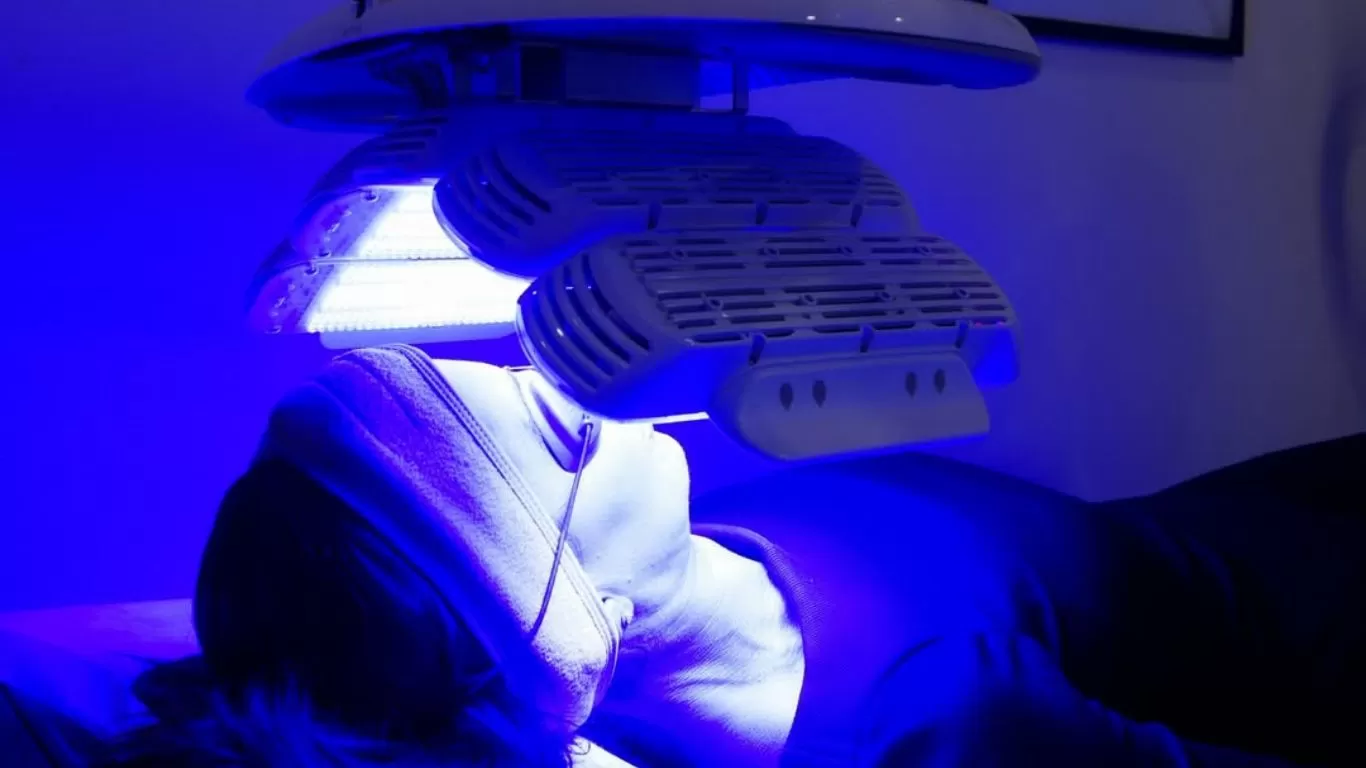
Acne-prone skin can make choosing the right skincare routine challenging. With so many cleansers, treatments, and beauty products available, people often look for alternatives that complement their existing habits. Blue light therapy has become one technology worth understanding, particularly in discussions about skincare equipment designed for home use.
Unlike traditional topical products, blue light devices use specific wavelengths of visible light. They are designed to expose the skin to controlled light energy and are commonly marketed for cosmetic applications involving blemish-prone skin.
Understanding what this technology does, how devices differ, and what precautions matter can help consumers make more informed skincare decisions.
What Is Blue Light Therapy?
Blue light therapy uses light from a particular portion of the visible spectrum. In skincare, devices commonly use wavelengths in the blue region, although the exact specifications vary by product.
Certain blue light wavelengths have been investigated for their interaction with bacteria associated with acne. This has contributed to interest in light-based approaches for managing acne-prone skin.
However, the effectiveness of a device depends on several factors, including wavelength, light intensity, exposure duration, and treatment consistency.
Blue light equipment should not be treated as a guaranteed solution for every type of acne or skin concern.
Why Is Blue Light Used in Skincare?
One reason blue light has attracted attention is its potential relevance to acne-related bacteria.
Acne development involves multiple factors, including excess oil production, clogged pores, inflammation, and bacterial activity. Light-based approaches may address only certain aspects of this complex process.
For that reason, blue light devices should not automatically replace established acne treatments or professional dermatological advice.
A Non-Topical Skincare Approach
Traditional acne routines often rely on cleansers, creams, gels, and other topical formulations.
Blue light technology offers a different approach by using controlled light exposure rather than applying another skincare ingredient.
Some consumers appreciate having different types of products available, particularly when building routines around their individual preferences.
Convenient At-Home Treatments
Modern devices are available in several compact formats. These may include handheld equipment, facial masks, and portable light panels.
Depending on the design, users can incorporate light sessions into their home skincare routine by following the manufacturer’s recommended schedule.
Exploring Different Blue Light Devices
Choosing between products requires an understanding of their intended applications.
LED facial masks: These products are designed to cover a broad facial area and may incorporate multiple light settings.
Handheld devices: Compact equipment can provide more targeted light exposure, depending on its specifications.
Multi-wavelength devices: Some products combine blue light with red or other wavelengths. Each wavelength has its own characteristics and intended applications.
Professional equipment: Clinical devices may differ substantially from consumer products in their specifications and operating requirements.
What Should You Check Before Purchasing?
The appearance of a skincare device does not tell you everything about its performance.
Consider these important factors:
- Wavelength: Confirm the manufacturer’s stated wavelength specifications.
- Treatment instructions: Look for clear information about recommended session duration.
- Device coverage: Determine whether the equipment targets individual areas or the entire face.
- Eye safety: Check the manufacturer’s requirements for protective eyewear.
- Quality and certification: Review relevant safety documentation and product information.
- Warranty: Consider the availability of customer support and warranty coverage.
If you are exploring available equipment, Blue Light Therapy provides a useful starting point for researching light-based skincare products.
Building a Balanced Routine Around Light Therapy
A simple skincare routine remains essential, even when using advanced beauty equipment.
Gentle cleansing, suitable moisturization, and regular sun protection help support general skin care. For acne-prone skin, evidence-based products and professional guidance may also be appropriate.
Follow the light device’s instructions carefully. Do not increase treatment frequency or duration beyond the recommended limits.
People with photosensitivity, relevant eye conditions, or medications that increase sensitivity to light should seek medical advice before beginning treatment.
Making an Informed Skincare Choice
Blue light therapy is an interesting example of how technology is influencing modern beauty routines. Its potential applications have encouraged interest in compact, home-use skincare equipment.
However, choosing a suitable product requires realistic expectations. Consumers should examine technical specifications, understand the limitations of light-based treatments, and avoid relying on cosmetic devices as substitutes for medical care.
With appropriate research and responsible use, blue light technology can be considered as one possible component of a broader skincare approach.




Post Comment