Choosing the Right Fire Protection Hose for Commercial and Industrial Facilities
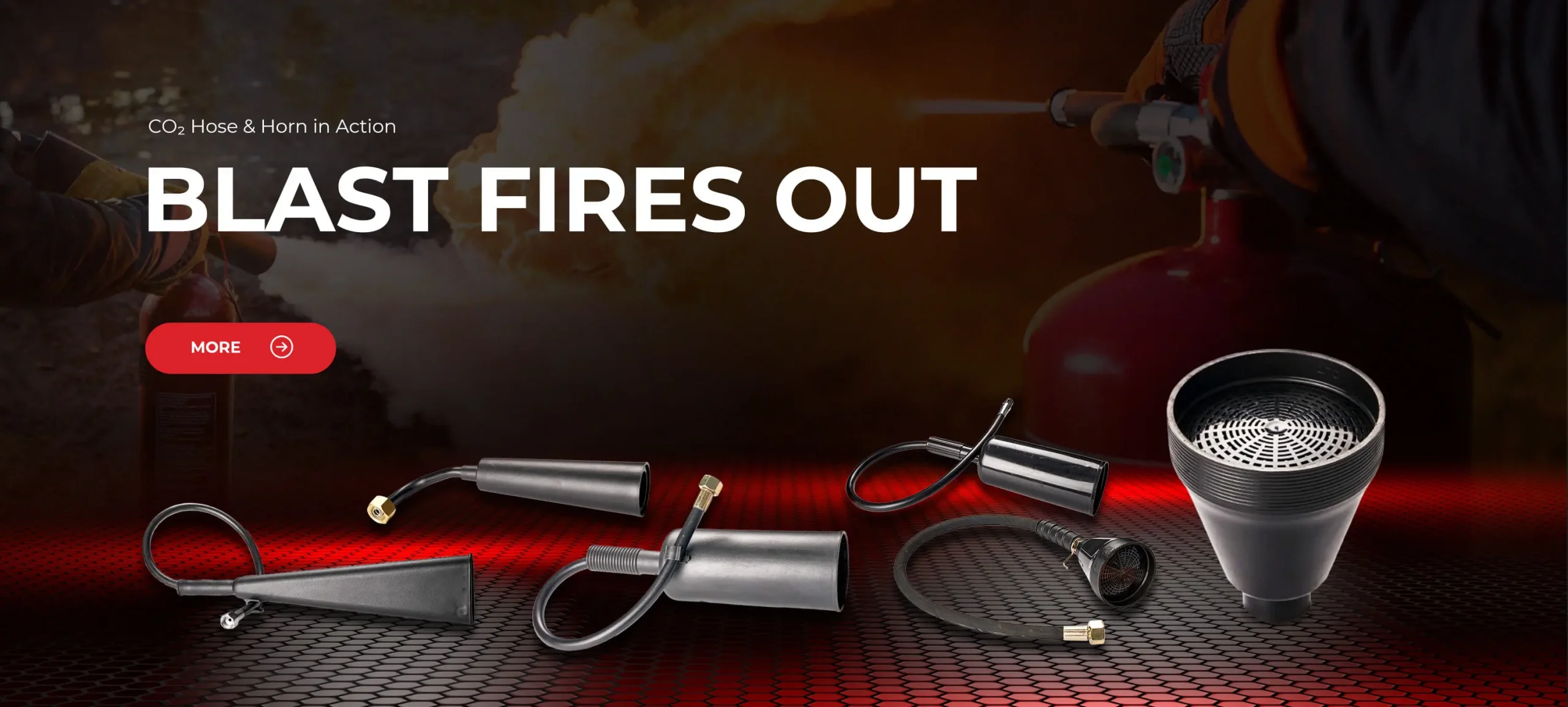
Fire safety is a critical responsibility for commercial buildings and industrial facilities. Offices, warehouses, factories, manufacturing plants, and processing centers require dependable firefighting equipment to respond effectively to unexpected emergencies. Among the essential components of these systems, hoses play a major role in transporting water or other approved extinguishing agents to the required location.
Selecting the right Fire Protection Hose involves evaluating several technical factors, including material quality, pressure ratings, diameter, flexibility, and environmental resistance. A suitable hose helps maintain consistent water delivery while supporting safe and efficient firefighting operations. Understanding these requirements allows facility managers and safety professionals to make informed equipment decisions.
Understanding Fire Protection Hoses
A fire protection hose is a specialized flexible tube designed to transport water or compatible firefighting agents within a fire suppression system. It may connect hydrants, pumps, hose reels, standpipes, and firefighting nozzles.
Different facilities require different hose configurations depending on building size, fire hazards, water supply arrangements, and emergency response procedures. Some hoses are designed for portable firefighting equipment, while others support permanent building installations or industrial fire protection networks.
Types of Fire Protection Hoses
Understanding the available hose types is the first step toward selecting suitable equipment.
1. Layflat Fire Hoses
Layflat hoses are designed to remain relatively flat when empty, making them easier to store and transport. When pressurized, they expand to carry water from a supply source to the discharge point.
They are commonly used by emergency response teams, industrial facilities, and municipal firefighting services.
2. Fire Hose Reel Hoses
Hose reel hoses are generally semi-rigid and designed for convenient deployment inside commercial and industrial buildings. Their construction allows users to unwind the required length while maintaining a connection to the water supply.
They are commonly installed in corridors, warehouses, commercial properties, and other designated fire protection locations.
3. Suction Hoses
Suction hoses are manufactured to draw water from tanks, reservoirs, or other supply sources. Their reinforced construction helps prevent collapse under vacuum conditions.
These hoses are particularly important in firefighting operations where water must be collected from an external source.
4. Industrial Fire Hoses
Industrial fire hoses are designed for demanding environments where abrasion resistance, pressure handling, and durability are important. Their construction and materials vary according to the application and operating conditions.
Important Factors When Selecting a Fire Protection Hose
Choosing the correct hose requires careful consideration of the facility’s firefighting requirements.
Material and Construction
Hose materials influence flexibility, durability, and resistance to environmental exposure. Common materials include synthetic rubber, polyester reinforcement, polyurethane, and specialized polymers.
Rubber-based hoses can offer flexibility and abrasion resistance, while reinforced textile constructions provide additional strength. The selected material should be suitable for the intended extinguishing medium and operating environment.
Pressure Rating
Every hose has specified pressure limits. Working pressure, proof pressure, and burst pressure provide different information about its performance and testing characteristics.
Facility managers should select hoses that meet the pressure requirements of the complete firefighting system. Pressure surges and pump operating conditions should also be considered.
Hose Diameter and Length
Diameter influences potential water flow, while length determines how far the hose can reach. Both factors should be selected according to system design and firefighting requirements.
Incorrect dimensions may restrict water delivery or create unnecessary handling difficulties.
Temperature and Environmental Resistance
Industrial facilities may expose firefighting equipment to sunlight, moisture, chemicals, dust, and temperature fluctuations.
Hoses should be manufactured from materials suitable for their expected environmental conditions. Outdoor installations may require additional protection against weathering and ultraviolet exposure.
Coupling Compatibility
Hose couplings must match the hydrants, pumps, valves, and nozzles used in the system. Different regions and equipment manufacturers may use different coupling standards.
Verifying connection dimensions and specifications helps prevent installation problems and water leakage.
Commercial and Industrial Applications
Fire protection hoses support emergency response in several types of facilities.
- Commercial buildings: Offices, hotels, shopping centers, and educational institutions use hose reels and hydrant systems for building fire protection.
- Manufacturing plants: Factories require suitable hoses to support firefighting operations around machinery, production lines, and storage areas.
- Warehouses: Large storage facilities need appropriately positioned firefighting equipment to address potential fire incidents.
- Chemical facilities: Specialized hoses may be required depending on environmental exposure and the fire protection system design.
- Power plants: Firefighting hoses support emergency water delivery around equipment and infrastructure.
Each application requires a risk assessment to determine appropriate equipment specifications and installation arrangements.
Maintenance and Inspection Requirements
Regular maintenance helps keep fire protection hoses ready for emergency use. Inspections should identify cuts, cracks, leaks, abrasion, damaged reinforcement, and defective couplings.
Hoses should be stored correctly and protected from excessive heat, chemicals, sharp objects, and unnecessary mechanical stress. Testing and servicing should follow applicable fire safety regulations, relevant standards, and manufacturer recommendations.
Any hose showing significant deterioration should be removed from service until properly assessed or replaced.
Common Selection Mistakes to Avoid
Several mistakes can reduce hose reliability and compromise firefighting readiness:
- Selecting a hose based only on price or appearance.
- Ignoring working pressure requirements.
- Using incompatible couplings or fittings.
- Choosing materials unsuitable for the operating environment.
- Overlooking hose length and diameter requirements.
- Neglecting inspection, testing, and maintenance schedules.
Avoiding these issues helps maintain equipment performance and reduces the risk of unexpected failures.
Conclusion
Choosing the right fire protection hose is essential for maintaining effective firefighting arrangements in commercial and industrial facilities. Material composition, pressure ratings, dimensions, environmental resistance, and coupling compatibility all influence hose suitability.
By evaluating these factors and following proper inspection and maintenance practices, facility managers can improve equipment reliability and emergency preparedness. A correctly specified hose supports dependable water delivery and contributes to a safer working environment.






Post Comment