Advanced Manufacturing Process Behind KingKonree Wudu Sinks
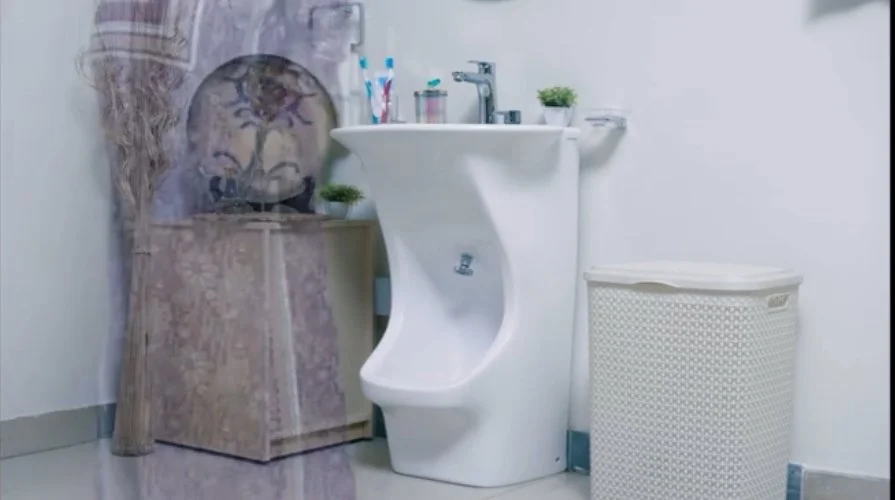
The growing demand for modern Islamic infrastructure has pushed manufacturers to innovate not only in design but also in production technology. Ablution areas in mosques, Islamic centers, airports, and public facilities require products that meet strict standards of durability, hygiene, and long-term performance. As a result, advanced manufacturing techniques have become essential in producing high-quality sanitary solutions that can withstand continuous use.
In this evolving industry, solid surface fabrication has emerged as one of the most reliable methods for creating durable and hygienic ablution systems. Products such as the Wudu Sink from KingKonree Solid Surface are manufactured using precision engineering processes that ensure consistency, seamless finishing, and strong structural integrity suitable for large-scale architectural applications.
Table of Contents
ToggleRaw Material Selection and Composition
The manufacturing process begins with the careful selection of raw materials. Solid surface materials are typically composed of a blend of natural minerals, acrylic resins, and performance-enhancing additives. The quality of these components directly impacts the final product’s durability and appearance.
Key considerations in material selection include:
- High purity mineral content for strength and stability
- Acrylic resin for flexibility and surface smoothness
- Pigments for consistent color distribution
- Additives to improve resistance to heat and moisture
This carefully engineered composition ensures that the final product meets the demanding requirements of high-traffic ablution environments.
Casting and Molding Techniques
Once the raw materials are prepared, they are processed through advanced casting and molding techniques. This stage defines the shape, structure, and overall design of the wudu sink system.
Common manufacturing methods include:
- Vacuum casting to eliminate air bubbles and ensure density
- Precision molding for consistent dimensions across units
- Custom mold creation for architectural flexibility
- Layered pouring techniques for structural reinforcement
These processes allow manufacturers to produce both standard and customized ablution systems suitable for various mosque layouts and architectural styles.
Curing and Solidification Process
After molding, the material undergoes a controlled curing process. This stage is critical for achieving the hardness, durability, and non-porous characteristics required in ablution facilities.
During curing:
- The material is left to harden under controlled temperature conditions
- Chemical bonding strengthens the internal structure
- Surface integrity is stabilized to prevent future cracking
- Moisture resistance properties are fully activated
Proper curing ensures that the product can withstand continuous water exposure and heavy daily usage without deterioration.
Surface Finishing and Seamless Fabrication
One of the defining advantages of solid surface technology is its seamless finish. In ablution areas, smooth surfaces are essential for hygiene and ease of maintenance.
The finishing process includes:
- Precision sanding for smooth surface texture
- Edge refinement to remove sharp or uneven areas
- Seam bonding to create continuous surfaces without joints
- Polishing for a clean, modern aesthetic appearance
This results in a visually uniform product that is both functional and architecturally appealing.
Quality Control and Performance Testing
Before being released for export or installation, each unit undergoes strict quality control procedures. These tests ensure that the product meets international standards for safety, durability, and hygiene.
Key testing parameters include:
- Impact resistance under heavy usage conditions
- Water absorption and leakage prevention checks
- Surface hardness and scratch resistance evaluation
- Color consistency across production batches
These quality assurance measures are essential for maintaining reliability in large-scale mosque and public infrastructure projects.
Customization for Architectural Projects
Modern mosque architecture often requires customized solutions to match spatial design and user capacity. Manufacturers respond to this demand by offering flexible production options.
Customization possibilities include:
- Multi-user configurations for high-capacity facilities
- Tailored dimensions to fit architectural layouts
- Color and texture variations for design consistency
- Integration with drainage and plumbing systems
This level of customization makes solid surface wudu sinks suitable for a wide range of international construction projects.
Export Readiness and Packaging Standards
For global distribution, manufacturing does not end at production. Proper packaging and logistics planning are essential to ensure safe delivery of products across international markets.
Export preparation includes:
- Protective packaging to prevent surface damage
- Reinforced crating for long-distance transportation
- Moisture-resistant wrapping materials
- Compliance with international shipping standards
These measures ensure that products arrive in perfect condition, ready for installation in large-scale facilities.
Marketing Advantage of Advanced Manufacturing
For exporters and manufacturers, showcasing advanced production techniques is a powerful marketing tool. Buyers in the construction and religious infrastructure sectors prioritize reliability, consistency, and long-term value.
Highlighting manufacturing strengths helps:
- Build trust with international buyers and contractors
- Differentiate products in competitive global markets
- Support premium pricing strategies
- Strengthen brand positioning in B2B platforms
When combined with strong digital marketing and SEO strategies, this creates a competitive advantage in the global export industry.
Conclusion
The manufacturing process behind modern ablution systems reflects a high level of engineering precision and material innovation. From raw material selection to final quality control, every stage plays a crucial role in ensuring durability, hygiene, and design excellence. As global demand for advanced Islamic infrastructure continues to grow, products like the Wudu Sink from KingKonree Solid Surface demonstrate how manufacturing innovation can support both architectural needs and international market expansion. For exporters, highlighting these advanced processes is key to building trust and driving long-term global sales success.




Post Comment