Aluminum Coil Coating Line Components and Their Functions Explained
Aluminum coil coating technology has become an essential part of modern manufacturing due to its ability to deliver durable, corrosion-resistant, and visually appealing metal surfaces. Industries such as construction, transportation, packaging, and consumer appliances depend on coated aluminum products for both performance and aesthetics. To achieve consistent quality, manufacturers use advanced production systems made up of several specialized components working together in a continuous process.
Every section of an aluminum coil coating line plays a specific role in preparing, coating, curing, and inspecting aluminum coils. Understanding these components helps manufacturers improve operational efficiency, reduce production issues, and maintain coating consistency throughout the manufacturing cycle.
Table of Contents
ToggleUncoiler System
The uncoiler is the starting point of the production line. Its primary function is to hold and unwind the aluminum coil smoothly as it enters the processing stages.
A stable uncoiling system is important because uneven tension can damage the aluminum surface or disrupt coating quality. Modern uncoilers are equipped with automatic tension control systems to ensure steady material feeding throughout the line.
Entry Accumulator
An entry accumulator stores a temporary loop of aluminum strip between the uncoiler and the processing section. This allows continuous operation even when a new coil is being loaded.
Without an accumulator, production would need to stop during coil changes. By maintaining uninterrupted movement, this component helps increase productivity and minimize downtime.
Cleaning Section
Before coating can begin, the aluminum surface must be completely cleaned. The cleaning section removes oils, dust, rolling residues, and other contaminants that may interfere with coating adhesion.
This section often includes:
- Chemical spray cleaning systems
- Brush cleaning units
- Water rinsing equipment
- Drying stations
Proper cleaning is critical because surface contamination can lead to coating defects and reduced corrosion resistance.
Pretreatment Unit
The pretreatment section prepares the aluminum surface for coating by applying a chemical conversion layer. This improves paint adhesion and enhances long-term durability.
Many modern facilities now use environmentally friendly pretreatment systems that eliminate harmful chemicals while still providing strong corrosion protection. Pretreatment quality directly affects the lifespan of the coated product.
Coating Machine
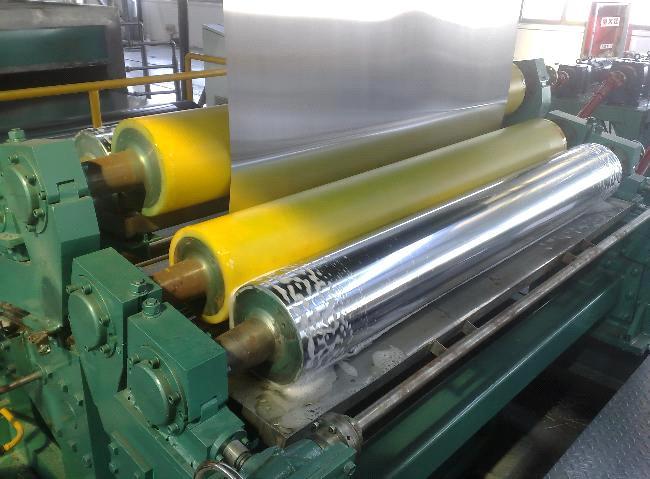
The coating machine is one of the most important components in the entire production line. It applies primer and finish coatings evenly across the aluminum strip surface.
Roller coating systems are commonly used because they provide:
- Uniform coating thickness
- High-speed application
- Reduced paint waste
- Smooth surface finish
Different coating materials may be applied depending on the final application requirements, including polyester, PVDF, polyurethane, or epoxy coatings.
Flash-Off Area
After coating application, the aluminum strip passes through a flash-off zone. This section allows solvents or moisture in the coating to evaporate before curing begins.
Controlled evaporation helps prevent coating bubbles, uneven finishes, and surface imperfections. Maintaining the correct temperature and airflow in this area is essential for coating stability.
Curing Oven
The curing oven hardens the applied coating through controlled heating. During this stage, the paint chemically bonds to the aluminum surface, creating a durable and protective layer.
The curing process affects several important product characteristics, including:
- Scratch resistance
- Weather resistance
- Color retention
- Surface hardness
Modern ovens are designed for energy efficiency and accurate temperature control to ensure consistent curing quality.
Cooling Section
Once curing is complete, the coated aluminum strip enters the cooling section. Rapid and controlled cooling stabilizes the coating and prepares the material for handling and inspection.
Improper cooling can affect coating adhesion or create surface stress, making this stage important for maintaining final product quality.
Inspection System
Quality control systems are integrated throughout the line, but the inspection section performs final checks before recoiling.
Advanced inspection equipment may monitor:
- Coating thickness
- Color consistency
- Surface defects
- Gloss level
- Adhesion quality
Automated inspection systems help manufacturers identify defects early and reduce material waste.
Exit Accumulator and Recoiler
The exit accumulator maintains continuous strip movement while the finished coil is prepared for rewinding. After inspection, the recoiler tightly winds the coated aluminum into finished coils for packaging and transport.
A properly controlled recoiling system prevents scratches, wrinkles, and tension-related damage during final handling.
Importance of Integrated Control Systems
Modern aluminum coil coating lines rely heavily on computerized control systems. These systems synchronize line speed, coating application, oven temperature, and tension control across the entire production process.
Digital automation improves production accuracy while reducing manual intervention. It also allows operators to monitor performance in real time and make adjustments quickly when needed.
Conclusion
An aluminum coil coating line consists of multiple interconnected components designed to deliver efficient and consistent surface finishing results. From uncoiling and cleaning to curing and recoiling, each section plays a vital role in ensuring product quality and operational reliability.
As industrial demand for coated aluminum continues to grow, manufacturers are investing in more advanced coating technologies and automated systems. Understanding the functions of each component helps improve production efficiency, reduce defects, and support long-term manufacturing performance across a wide range of industries.



Post Comment