Benefits of Galvanized Pipe for Corrosion-Resistant Piping Systems
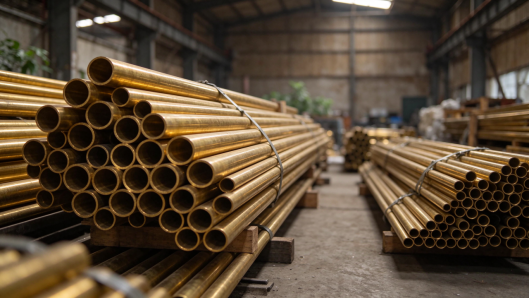
Piping systems often operate in places where moisture, condensation, changing temperatures, and outdoor exposure can gradually damage unprotected metal. Corrosion may lead to leakage, restricted flow, maintenance interruptions, and costly replacement work. Choosing a pipe with a suitable protective system is therefore an important part of planning reliable water, utility, and industrial installations.
Galvanized Pipe is generally made from steel with a zinc coating intended to reduce corrosion. Zinc acts as a barrier between the steel and its surroundings and can provide sacrificial protection in certain damaged areas. This makes galvanized products useful in a range of building and infrastructure applications. Their suitability must still be assessed against fluid quality, operating conditions, relevant regulations, and the expected service environment.
Understanding the Zinc Coating
Galvanizing involves applying zinc to the surface of steel. In hot-dip galvanizing, the prepared steel pipe is immersed in molten zinc, producing a bonded protective coating. The process can cover accessible external surfaces and, depending on the manufacturing method and pipe design, internal surfaces as well.
The zinc layer slows the corrosion process by limiting direct contact between the steel and the environment. If a small area becomes exposed, zinc may corrode preferentially and provide a degree of protection to the adjacent steel.
This protection has limits. Coating damage, aggressive chemicals, prolonged exposure to unsuitable water, and harsh atmospheric conditions can affect performance. The coating specification should therefore match the actual duty.
Where Galvanized Piping Is Used
Galvanized pipe has traditionally been used in water distribution, building services, fencing, structural supports, and general utility installations. It can also appear in agricultural facilities, workshops, outdoor equipment, and selected industrial systems.
In construction, galvanized piping may be used for supports, handrails, frames, and other fabricated assemblies where a protective zinc layer is beneficial. In some utility applications, it provides a practical option for components exposed to ordinary weather conditions.
However, galvanized steel is not suitable for every fluid or piping system. Drinking-water regulations, internal corrosion concerns, water chemistry, and local plumbing codes must be checked before specifying it for potable-water service.
Advantages in Outdoor and Utility Environments
The principal benefit of galvanizing is reduced susceptibility to corrosion compared with unprotected carbon steel in many common environments. This can lower maintenance needs and extend the useful life of components when the coating is correctly selected and maintained.
Zinc coatings can also protect edges and small areas of damage through sacrificial action. This is useful where components may experience ordinary handling or installation wear, although large scratches and damaged regions may require repair.
Galvanized pipe is available in established sizes and can be incorporated into many conventional steel fabrication and installation practices. Its availability can simplify sourcing for routine projects.
Installation and Joining Considerations
The protective coating must be considered during cutting, threading, welding, and connection work. Cutting and threading can expose bare steel at edges, while welding may burn away zinc near the joint.
Appropriate ventilation and worker protection are necessary when heating galvanized material because zinc-containing fumes can be hazardous. Fabricators should follow applicable occupational safety procedures and use suitable repair coatings or other approved protection where the original coating has been disrupted.
Threaded connections should be made carefully to avoid damaging more coating than necessary. Correct sealants and compatible fittings should be selected for the system’s pressure and fluid requirements.
Factors That Affect Service Life
The expected life of a galvanized pipe depends on coating thickness, exposure conditions, moisture, temperature, pollutants, and maintenance. Water chemistry can be particularly important for internal surfaces. Some waters may encourage scale formation or corrosion, affecting flow and pipe condition.
Designers should avoid arrangements that trap moisture around external surfaces. Drainage, ventilation, access for inspection, and separation from incompatible materials can improve performance.
Where the environment is highly corrosive, another material or protective system may be more appropriate. A zinc coating should not be treated as a universal substitute for corrosion engineering.
Buying and Specifying Galvanized Pipe
Before ordering, confirm the nominal size, outside diameter, wall thickness, length, steel grade, galvanizing method, coating requirements, and applicable standard. Specify whether internal coating coverage is required and how cut ends or threaded areas should be protected.
Request product certificates and inspection details, particularly for projects with formal compliance requirements. Check that fittings, valves, and connection materials are compatible with the pipe and the service environment.
Protection That Must Match the Application
Galvanized pipe can provide practical corrosion protection for many building, utility, and industrial uses. Its value comes from a protective coating that can reduce exposure of the underlying steel and simplify maintenance in suitable conditions.
The best outcome requires careful assessment of water chemistry, environmental exposure, installation methods, and applicable codes. With those details addressed, galvanized piping can be a durable component of a well-designed system.






Post Comment