Benefits of PETG: Durability, Flexibility, and Chemical Resistance
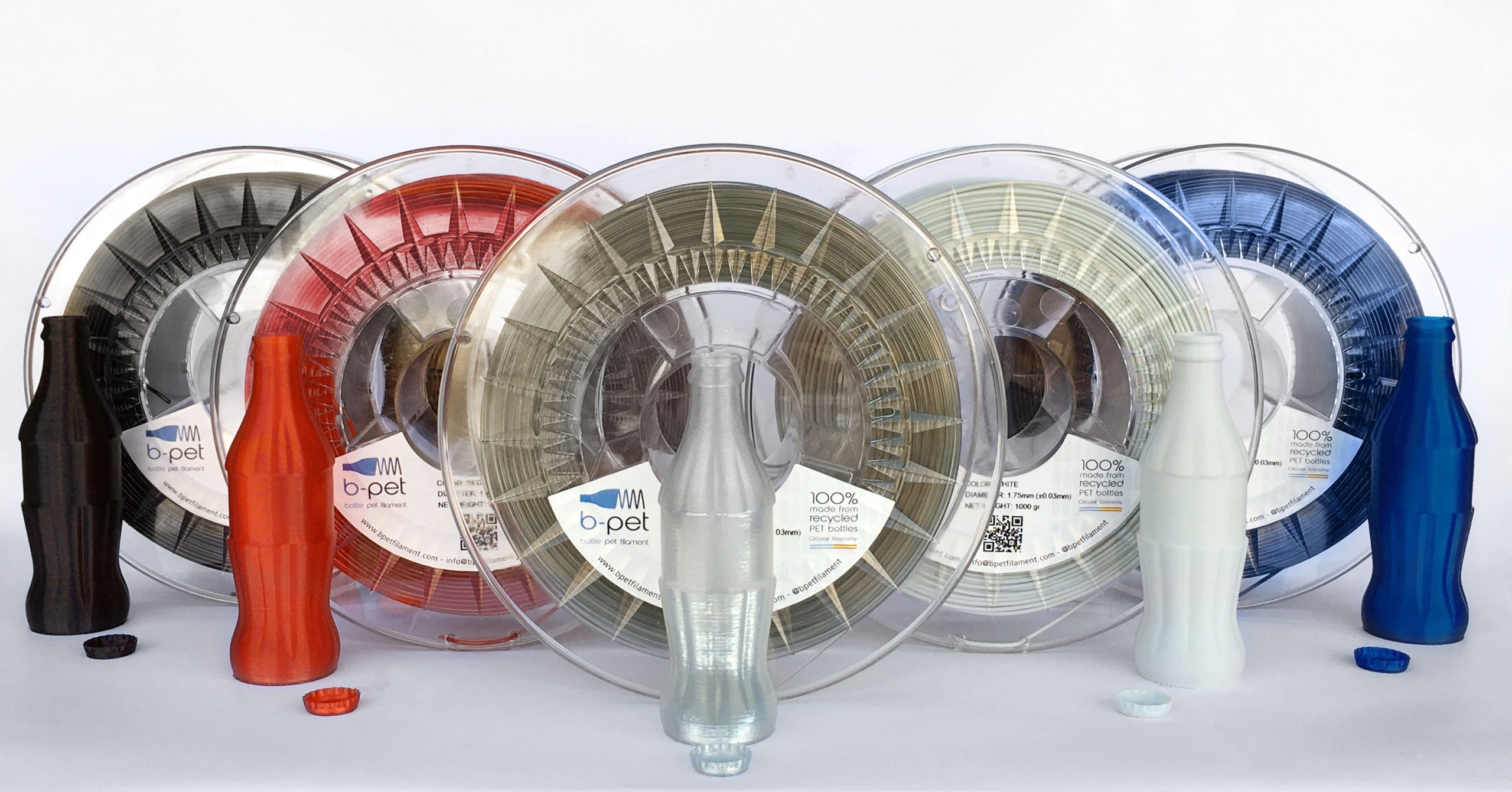
PETG has become one of the most widely used materials in 3D printing and manufacturing due to its balanced performance and reliability. Known for combining strength with ease of use, it is a preferred choice for both hobbyists and professionals. Its unique composition allows it to perform well in demanding environments without the complications associated with more difficult materials.
Among modern thermoplastics, PETG stands out for its ability to deliver durability, flexibility, and chemical resistance in a single material. These qualities make it suitable for a wide variety of applications, from functional prototypes to end-use products that must withstand real-world conditions.
Table of Contents
ToggleWhat Makes PETG Unique?
PETG (Polyethylene Terephthalate Glycol) is a modified version of PET, enhanced with glycol to improve its performance. This modification reduces brittleness and enhances clarity, strength, and resistance to impact. As a result, PETG is easier to print than many engineering-grade materials while still offering excellent mechanical properties.
Its versatility lies in its ability to bridge the gap between rigid and flexible materials, making it suitable for parts that require both toughness and resilience.
Durability: Built for Long-Term Use
One of the most important advantages of PETG is its durability. It is highly resistant to impact and mechanical stress, which allows printed parts to last longer without cracking or breaking.
Key Durability Benefits
- High impact resistance compared to PLA
- Strong layer adhesion for structural integrity
- Resistance to wear and tear over time
- Suitable for both indoor and outdoor environments
Unlike brittle materials, PETG can absorb stress without failing, making it ideal for functional components that experience repeated use.
Flexibility: Strength Without Brittleness
PETG offers a level of flexibility that sets it apart from more rigid materials. While it is not as soft as TPU, it provides enough give to prevent sudden fractures.
Why Flexibility Matters
- Reduces the risk of cracking under pressure
- Allows parts to bend slightly without damage
- Improves performance in moving or load-bearing parts
This balance between stiffness and flexibility makes PETG a reliable choice for mechanical parts, clips, and protective housings.
Chemical Resistance: Reliable in Harsh Environments
Another standout feature of PETG is its excellent resistance to chemicals. It can withstand exposure to a variety of substances without degrading, which is essential for industrial and practical applications.
Chemical Resistance Advantages
- Resistant to acids and alkalis
- Performs well in humid or wet conditions
- Does not easily degrade when exposed to cleaning agents
- Suitable for containers and protective equipment
Because of these properties, PETG is often used in environments where materials are exposed to moisture, chemicals, or frequent cleaning.
Additional Benefits of PETG
Beyond its core strengths, PETG offers several other advantages that contribute to its popularity.
Ease of Printing
PETG is relatively easy to print compared to materials like ABS. It has low warping and adheres well to the print bed, making it accessible for users with different experience levels.
Low Odor
Unlike some thermoplastics, PETG produces minimal odor during printing, making it more suitable for indoor use.
Moisture Resistance
PETG does not absorb water easily, which helps maintain its structural integrity over time, especially in outdoor or humid environments.
Visual Appeal
PETG can produce glossy, smooth finishes and even semi-transparent prints, making it useful for both functional and aesthetic applications.
Common Applications of PETG
Thanks to its durability, flexibility, and resistance, PETG is used in a wide range of industries.
- Functional prototypes
- Mechanical components
- Food and beverage containers (depending on grade)
- Medical and laboratory equipment
- Outdoor parts and enclosures
- Protective covers and casings
Its adaptability makes it a dependable material for projects that require both performance and reliability.
Limitations to Consider
While PETG offers many benefits, it is important to be aware of its limitations.
- Can be prone to stringing during printing
- Surface may scratch more easily than ABS
- Slight flexibility may not suit highly rigid designs
- Can stick too strongly to certain print surfaces
Understanding these factors helps in optimizing print settings and achieving better results.
Conclusion
PETG is a well-rounded material that delivers durability, flexibility, and chemical resistance in one package. Its ability to perform under stress while remaining easy to print makes it an excellent choice for a wide variety of applications.
Whether you are creating functional parts, prototypes, or products designed for real-world use, PETG offers a dependable solution that balances strength, resilience, and practicality.




Post Comment