Choosing the Right Street-Legal Electric Scooter for Convenient Everyday Commuting
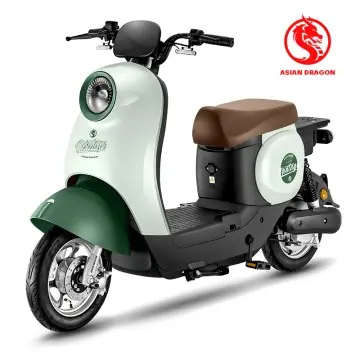
As cities become more crowded and daily transportation costs continue to influence commuting decisions, electric scooters are attracting attention as practical alternatives to conventional vehicles. They offer compact designs, convenient operation, and electric power that can make short and medium-distance journeys easier. For commuters who want flexibility without relying entirely on cars or public transportation, a street-legal electric scooter can be a useful option.
However, choosing the right model involves more than comparing appearance or advertised speed. Riders need to consider local road regulations, battery capacity, motor performance, braking systems, and overall comfort. Exploring the available features of a Streets Electric Scooter can help buyers understand which design is suitable for their daily routes, riding habits, and transportation requirements.
What Makes an Electric Scooter Street-Legal?
A street-legal electric scooter is designed to meet the requirements for operating on public roads in a particular location. These requirements vary between countries, states, and municipalities, so buyers should not assume that every electric scooter is permitted on every road.
Depending on local regulations, important requirements may include:
- Maximum motor power or permitted speed.
- Approved lighting and reflectors.
- Functional front and rear braking systems.
- Registration, licensing, or insurance where required.
- Minimum rider age and helmet requirements.
- Restrictions on sidewalks, bicycle lanes, or certain road types.
Before purchasing a scooter, check the rules that apply to its intended use. A model marketed as road-ready may still require registration or additional equipment to comply with local regulations.
Key Features to Consider Before Buying
The right electric scooter should match the rider’s daily travel needs while providing dependable performance and practical convenience.
1. Motor Power and Riding Performance
Motor power influences acceleration, climbing ability, and how the scooter handles different road conditions. A lower-powered model may be suitable for relatively flat urban routes, while riders who regularly encounter hills may benefit from a more capable motor.
Buyers should also check the scooter’s permitted speed and ensure that its performance complies with local road rules.
2. Battery Capacity and Travel Range
Battery capacity determines how much electrical energy the scooter can store. It is commonly measured in watt-hours (Wh), with larger capacities generally offering greater potential range.
However, actual distance per charge depends on several factors, including rider weight, terrain, speed, temperature, tire pressure, and riding style. It is sensible to choose a scooter with enough range to cover regular journeys while retaining some battery capacity for unexpected trips.
3. Braking System
Reliable brakes are essential for safe commuting, particularly in areas with changing traffic conditions. Electric scooters may use disc brakes, drum brakes, electronic braking systems, or combinations of these technologies.
When comparing models, consider braking responsiveness, maintenance requirements, and performance in different weather conditions. A dependable braking system is more important than choosing a scooter solely for higher speed.
4. Tires and Suspension
Tire design affects grip, stability, and riding comfort. Larger tires can help manage uneven surfaces, while pneumatic tires may absorb some road vibration. Solid tires reduce puncture concerns but can provide a firmer ride.
Suspension systems can also improve comfort on rough streets. Riders should consider the road surfaces they encounter regularly rather than assuming that every scooter needs the same tire and suspension setup.
Comfort and Practical Design for Daily Commuting
A scooter intended for everyday use should be comfortable and easy to handle throughout the journey.
Handlebar height, deck space, riding posture, and overall balance all influence the experience. A spacious deck may provide more room for foot positioning, while ergonomic controls can make acceleration and braking easier to manage.
Portability is another important consideration. Some scooters feature folding mechanisms that make storage and transportation more convenient. However, buyers should check the scooter’s actual weight and folded dimensions, especially if they need to carry it upstairs or store it in a small apartment.
Safety Features That Matter on Public Roads
Commuting in traffic requires visibility, control, and awareness of surrounding vehicles. A well-equipped electric scooter should include safety features that support predictable riding.
Look for the following equipment:
- Front and rear lights: Improve visibility in low-light conditions.
- Reflectors: Help other road users notice the scooter.
- Responsive brakes: Support controlled stopping.
- Clear displays: Make speed and battery information easy to monitor.
- Audible warning devices: Help alert pedestrians and nearby road users.
- Stable tires: Provide suitable contact with the road surface.
Wearing an appropriate helmet and protective clothing adds another layer of safety. Riders should also avoid sudden movements, maintain a safe following distance, and use designated cycling infrastructure where permitted.
Understanding Charging and Battery Maintenance
Battery care has a direct influence on the reliability and useful life of an electric scooter. Owners should follow the manufacturer’s instructions instead of relying on general charging assumptions.
Useful maintenance practices include:
- Use the charger supplied or approved by the manufacturer.
- Avoid exposing the battery to excessive heat or extreme cold.
- Keep charging connections clean and dry.
- Inspect cables and connectors for visible damage.
- Store the scooter in a suitable environment when it is not being used.
- Follow the recommended charging and storage procedures for longer periods of inactivity.
If the battery becomes swollen, damaged, or unusually hot, stop using it and arrange an inspection by a qualified technician.
Comparing Electric Scooters with Other Commuting Options
Electric scooters are not suitable for every journey, but they offer a different balance of convenience, cost, and flexibility compared with other transportation choices.
| Transportation option | Main advantage | Potential limitation |
|---|---|---|
| Electric scooter | Compact and convenient for shorter trips | Range and road access restrictions |
| Traditional bicycle | Supports physical activity without battery charging | Requires more physical effort |
| Motorcycle | Suitable for longer journeys and higher speeds | Fuel and maintenance expenses |
| Public transportation | Useful for traveling established routes | Fixed schedules and route availability |
| Car | Comfortable and suitable for carrying passengers | Parking, fuel, and traffic challenges |
For commuters with relatively short routes, an electric scooter may reduce dependence on motor vehicles. It can also complement public transportation by covering the distance between home, transit stations, and workplaces.
Factors That Influence the Total Cost of Ownership
The purchase price is only one part of the overall expense. Buyers should also consider charging costs, replacement parts, servicing, and battery longevity.
A scooter with a lower initial price may not provide the best long-term value if important components are difficult to replace or service. Checking warranty conditions and the availability of authorized repair support can help prevent unexpected expenses.
It is also worth comparing the cost of essential accessories, such as a helmet, lock, protective equipment, and additional lighting if needed.
Common Mistakes to Avoid When Choosing an Electric Scooter
A few purchasing mistakes can make an otherwise promising scooter unsuitable for everyday use.
- Focusing only on maximum speed: Practical range, braking, and road legality deserve equal attention.
- Ignoring local regulations: Confirm that the scooter can legally be used on your intended routes.
- Overlooking rider weight limits: Check the manufacturer’s recommended maximum load.
- Choosing insufficient battery capacity: Account for daily distance and possible changes in weather or terrain.
- Neglecting after-sales support: Make sure replacement parts and technical assistance are accessible.
- Underestimating portability: Consider the scooter’s weight if you need to carry or store it frequently.
Taking time to compare these details can lead to a more suitable purchase and a better ownership experience.
The Growing Role of Electric Scooters in Urban Mobility
Electric scooters are becoming part of broader discussions about sustainable urban transportation. Their compact size and electric operation make them suitable for certain short-distance journeys, particularly when supported by appropriate roads, parking facilities, and charging access.
As battery systems, motor controllers, and safety technology continue to improve, manufacturers are developing models that better address everyday commuting needs. Cities also have an important role to play by establishing clear regulations and providing infrastructure that helps riders and other road users share public spaces safely.
Conclusion
Choosing the right street-legal electric scooter requires a balanced assessment of performance, battery range, safety, comfort, and local transportation regulations. A suitable model should support everyday travel without creating unnecessary maintenance or practical difficulties.
By comparing specifications, understanding legal requirements, and considering the conditions of regular routes, buyers can make a more informed decision. With responsible riding and proper maintenance, an electric scooter can become a convenient addition to modern urban transportation.





Post Comment