Electric Mini Excavator Solutions for Residential Construction Sites
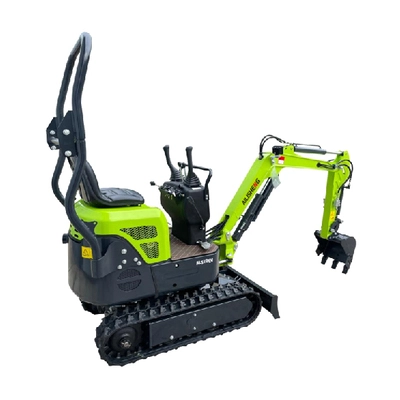
Residential construction requires equipment that can perform essential groundwork while accommodating the limitations of individual properties. Unlike large development sites, housing projects may involve narrow driveways, nearby homes, existing gardens, boundary walls, utility connections, and restricted storage areas. Contractors must organize excavation work carefully to avoid disrupting surrounding properties or creating unnecessary delays.
An electric mini excavator can be considered for residential projects where compact dimensions and electric operation align with the job’s requirements. It may support foundation preparation, drainage installation, landscaping, and utility trenching, depending on its technical capabilities. Understanding the practical demands of residential construction helps builders determine where this equipment could be useful.
Understanding the Residential Site
Before machinery is selected, contractors should assess the property’s layout and access conditions. A residential site may have limited entry points, a narrow side passage, low overhead clearance, or an existing driveway that needs protection.
The machine’s width, height, operating weight, turning space, and tail swing should be checked against the available area. Transport arrangements should also be considered, especially when equipment must be delivered through a restricted entrance or positioned near neighboring properties.
A site inspection can identify obstacles that may affect excavation. These include existing structures, underground utilities, landscaping, drainage features, and unstable or uneven ground. Accurate planning helps determine whether a compact excavator can work safely and efficiently.
Foundation Preparation and Excavation
Ground preparation is an important stage of residential construction. Depending on the design, builders may need to excavate for foundations, prepare localized footing areas, remove unsuitable material, or undertake other groundwork.
A mini excavator may help complete excavation in areas where larger machinery would be difficult to position. Its digging reach and depth should be compared with the construction drawings and the actual site requirements.
Contractors should also consider soil conditions. Loose, compacted, wet, or rocky material can affect digging performance and machine stability. The selected excavator must be capable of performing the planned work within the manufacturer’s specified operating limits.
Utility Trenching and Drainage Work
Residential properties often require trenches for water services, drainage, electrical infrastructure, and other utilities. These activities may take place near existing buildings, garden features, or property boundaries.
Compact excavation equipment may help create trenches in areas with limited access. Bucket selection and digging dimensions should be appropriate for the service installation, while excavation boundaries should be clearly marked.
Before digging, contractors must identify existing services and follow the relevant utility-location and excavation safety procedures. Unexpected underground infrastructure can cause significant damage, delays, and hazards if overlooked.
Drainage projects may also involve adjusting ground levels, preparing channels, or excavating around existing systems. The machine’s reach and positioning flexibility can be helpful, but careful work is necessary to protect existing pipes and structures.
Working Around Neighbors and Occupied Properties
Residential construction frequently takes place close to people who continue to occupy surrounding homes. Noise, dust, equipment movement, and access restrictions can influence how work is organized.
Electric equipment may offer reduced engine-related noise compared with conventional machinery. This can be helpful in certain noise-sensitive environments, although excavation, tracks, hydraulics, and attachments remain audible. Contractors should review local restrictions and arrange working hours accordingly.
Electric machines also produce no direct exhaust emissions while operating. This may be useful when undertaking certain tasks near enclosed spaces or occupied structures, subject to appropriate site safety and ventilation considerations.
Managing Landscaping and Finished Surfaces
Residential projects often involve existing lawns, driveways, paving, garden beds, and decorative features. Equipment travel can damage these surfaces if ground conditions or access routes are not considered.
Contractors may use suitable ground protection where necessary and establish a defined route for machinery. Excavated material should be stored in an area that does not obstruct access or create additional damage.
The machine’s operating weight, track design, and ground pressure should be evaluated before it travels over sensitive surfaces. A compact excavator may reduce the footprint of equipment activity, but protection and careful movement remain essential.
Charging and Daily Scheduling
Electric equipment introduces charging requirements into the residential work schedule. Contractors should determine where the machine can recharge, what electrical supply is needed, and how charging time fits into the planned work.
A project with predictable excavation periods may be easier to organize around charging breaks. Businesses should nevertheless evaluate expected energy use based on soil conditions, digging intensity, attachments, and operating duration.
Charging cables and equipment should be arranged to avoid interference with workers, residents, and access routes.
Conclusion
Residential construction sites demand machinery that can work within limited space while protecting existing property and maintaining organized operations. Electric mini excavators may assist with foundations, utility trenches, drainage, and landscaping where their capabilities match the project. By assessing site access, noise considerations, ground conditions, charging arrangements, and safety requirements, builders can make a more informed decision about using compact electric excavation equipment.






Post Comment