How Animatronic Dinosaur Costumes Create Realistic and Unforgettable Performances
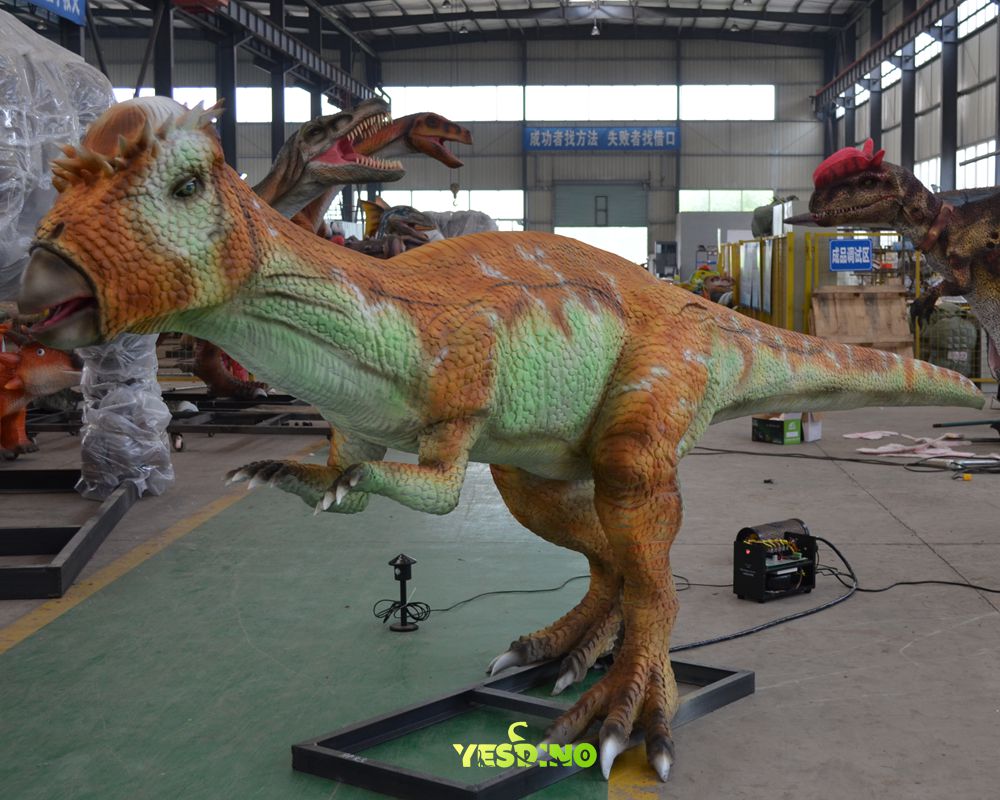
Dinosaur-themed performances offer audiences an exciting opportunity to experience the appearance and behavior of prehistoric creatures. From theme parks and museum exhibitions to festivals and commercial events, realistic dinosaur characters can transform ordinary entertainment into memorable experiences. As performance technology continues to develop, animatronic features are helping performers create more lifelike movements and engaging interactions.
An Animatronic Dinosaur Costume combines costume design with mechanical or electronic movement systems to reproduce distinctive dinosaur actions. Features such as moving jaws, blinking eyes, and coordinated head movements can make a character appear more lifelike. When combined with skilled performers and thoughtful presentation, these costumes help bring prehistoric creatures closer to modern audiences.
What Makes Animatronic Dinosaur Costumes Different?
Traditional dinosaur costumes generally rely on the performer’s movements to create the character’s actions. Animatronic designs introduce additional mechanical elements that can produce movements independently or work alongside the performer’s actions.
Depending on the construction, these features may include:
- Moving jaws that simulate roaring or speaking.
- Blinking eyes that add expression.
- Flexible neck mechanisms for natural head movement.
- Moving tails that create a more convincing silhouette.
- Sound effects that complement the character’s actions.
- Controlled facial movements that support interactive performances.
Not every design includes all these features. The available functions depend on the costume’s technology, materials, and intended application.
How Animatronic Features Improve Realism
Realism is an important part of creating a convincing dinosaur performance. Audiences are more likely to become immersed when a character moves in ways that appear consistent with its physical structure.
Natural Head and Neck Movements
Head movements help communicate a dinosaur’s attention and personality. A character that turns toward visitors, raises its head, or moves its neck while walking can appear more responsive than a static costume.
Mechanical movement systems can support these actions and help performers create more varied presentations.
Expressive Eyes and Facial Details
The eyes and face play a major role in how audiences interpret a character. Blinking mechanisms, moving eyelids, and coordinated facial features can create the impression that the dinosaur is observing its surroundings.
These details are especially useful during close interactions and staged performances.
Moving Jaws and Roaring Effects
A moving jaw combined with synchronized sound effects can create a convincing roaring sequence. This feature is particularly effective for large predator characters such as Tyrannosaurus rex.
When the movement and sound are coordinated properly, the performance can feel more immersive without requiring complicated staging.
Coordinated Body and Tail Actions
The tail contributes significantly to a dinosaur’s overall appearance. Controlled tail movements can make the character seem more dynamic and help maintain a convincing body silhouette.
When head, body, and tail movements work together, the costume can produce a more natural performance.
The Role of Performers in Animatronic Entertainment
Technology provides additional movement possibilities, but the performer remains essential to the success of a costume-based presentation.
A skilled performer understands how to coordinate walking, gestures, head movements, and audience interaction. They can also adjust the character’s behavior according to the setting and audience response.
For example, a dinosaur at a children’s event may use gentle movements and playful gestures. A performer at a themed attraction might create a more dramatic appearance through slower movements, roaring sounds, and carefully timed reactions.
The combination of human performance and mechanical features creates a character that feels more expressive and engaging.
Where Animatronic Dinosaur Costumes Create Memorable Experiences
These costumes can support different types of entertainment because they combine visual impact with interactive possibilities.
Theme Parks and Family Attractions
Theme parks use dinosaur characters to strengthen prehistoric environments and provide additional entertainment for visitors. A moving dinosaur costume can welcome guests, appear in scheduled shows, or interact with families around designated attraction areas.
Its presence can complement larger animatronic displays and themed scenery.
Museums and Educational Exhibitions
Museums can use realistic dinosaur performances to introduce visitors to prehistoric animals in an engaging format. A performer can explain basic dinosaur characteristics while demonstrating movements associated with a particular species.
This approach can make educational sessions more memorable, especially for younger visitors.
Live Shows and Stage Performances
Stage productions can incorporate animatronic dinosaur costumes to create dramatic character appearances. Movement effects and sound can support storytelling, introduce prehistoric scenes, or add excitement to themed presentations.
Coordinated lighting and stage design can further strengthen the visual experience.
Corporate Events and Promotional Campaigns
Businesses can use dinosaur characters to attract attention during exhibitions, product launches, and promotional activities. An unusual and recognizable costume can encourage visitors to stop, take photographs, and engage with event representatives.
The character can also become part of a broader marketing theme.
Festivals and Public Celebrations
Outdoor festivals and community events provide opportunities for dinosaur performers to entertain large audiences. Their movements, sounds, and recognizable designs can make them popular attractions during parades and scheduled appearances.
Choosing the Right Dinosaur Design
The ideal costume depends on the event’s theme, audience, performance space, and technical requirements. Different dinosaur species offer different visual characteristics and entertainment possibilities.
Some common choices include:
- Tyrannosaurus rex: A strong option for dramatic performances, featuring a large head and recognizable predator appearance.
- Velociraptor: Suitable for agile, energetic characters that require expressive movements.
- Triceratops: Its horns and distinctive frill make it visually recognizable.
- Stegosaurus: Its back plates create a distinctive shape that works well in themed environments.
- Brachiosaurus: Its long-necked appearance can create an impressive character for prehistoric attractions.
Organizers should also consider whether the costume needs to support continuous movement, short appearances, stage performances, or close audience interaction.
Comfort, Mobility, and Performer Safety
Realistic features are valuable, but they should not come at the expense of performer comfort. A costume that is difficult to wear or operate can affect movement, concentration, and the overall quality of a presentation.
Before selecting a design, organizers should review several practical considerations.
Weight and Internal Space
The costume should provide enough room for the performer while maintaining a balanced structure. Excessive weight can make walking and turning more difficult, especially during extended appearances.
Ventilation and Visibility
Full-body costumes can become warm during active performances. Suitable ventilation and clear visibility are essential for maintaining comfort and awareness of the surrounding environment.
Movement and Control Systems
Mechanical components should operate reliably and allow the performer to complete the required actions. Controls should be practical to use, while moving parts should be properly enclosed or protected.
Performance Breaks
Performers should have access to rest periods, particularly during warm weather or physically demanding events. Event organizers should also provide assistance when navigating crowded areas or uneven surfaces.
Maintenance and Technical Reliability
Animatronic costumes contain more components than many traditional outfits, so regular inspection is important. Mechanical parts, electrical connections, moving joints, and sound systems should be checked according to the manufacturer’s maintenance instructions.
A basic care routine should include:
- Inspecting moving mechanisms for unusual noise or resistance.
- Checking electrical connections and control systems.
- Cleaning exterior materials using suitable methods.
- Examining seams, fasteners, and structural supports.
- Testing sound and movement functions before performances.
- Storing the costume in a clean, dry environment.
Professional servicing may also be necessary for complex mechanical systems. Proper maintenance helps reduce unexpected interruptions and supports consistent performance quality.
Creating a More Immersive Dinosaur Performance
A realistic costume becomes even more effective when it is part of a well-planned entertainment experience. The surrounding environment, performer behavior, sound effects, and audience interaction all contribute to the final result.
Event organizers can improve presentations by creating a suitable prehistoric setting with themed decorations, lighting, background sounds, and clearly planned performance areas.
Performers should also develop a character style that matches the dinosaur’s appearance. Controlled movements, appropriate pacing, and audience awareness can make even brief interactions more memorable.
Combining these elements allows animatronic costumes to become more than visual attractions. They can serve as interactive characters that support storytelling and create stronger connections with visitors.
Conclusion
Animatronic dinosaur costumes bring together mechanical movement, detailed design, and human performance to create engaging prehistoric characters. Features such as moving jaws, expressive eyes, flexible necks, and coordinated sound effects help produce realistic appearances across a wide range of entertainment settings.
Their effectiveness depends on more than technology alone. Comfort, safety, reliable mechanisms, performer skill, and suitable event planning all contribute to a successful presentation. When these elements work together, animatronic dinosaur performances can capture attention, encourage interaction, and leave audiences with lasting memories.



Post Comment