How Press Machines Improve Production Efficiency in Metal Forming
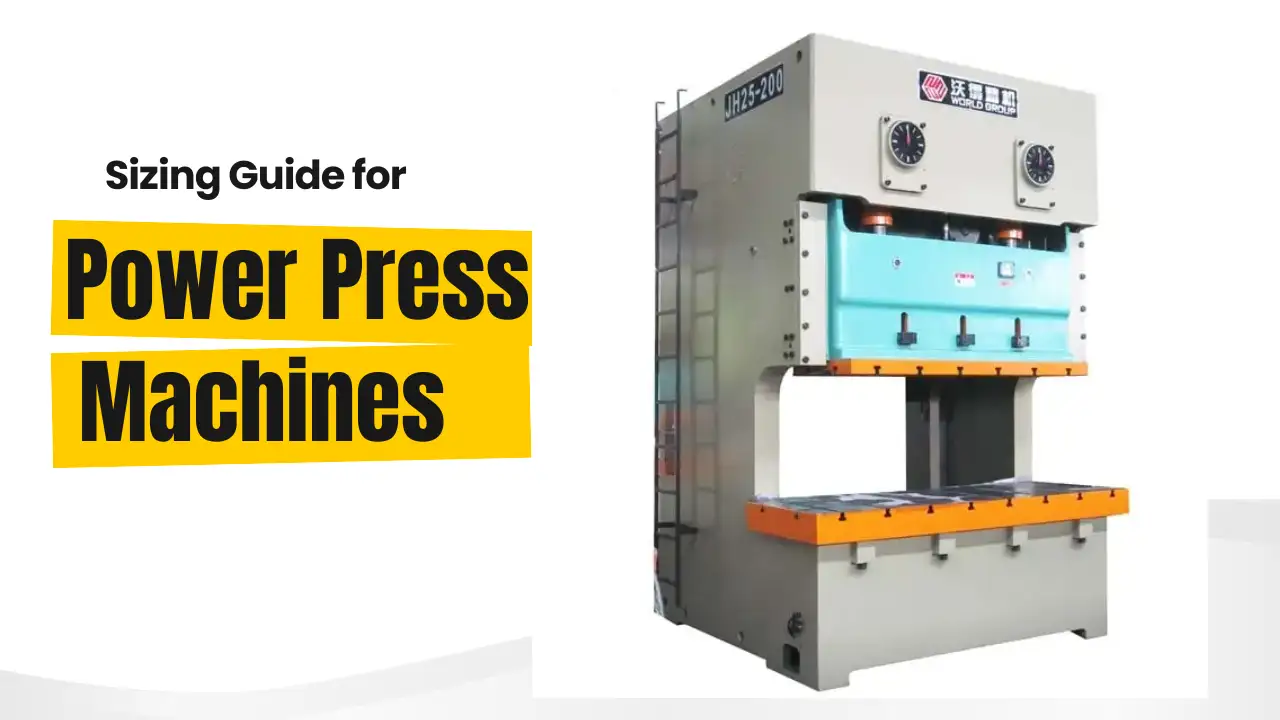
Metal forming is a critical process in modern manufacturing, encompassing industries such as automotive, aerospace, electronics, and construction. Achieving high production efficiency while maintaining consistent quality is essential for manufacturers to stay competitive. One of the key tools that significantly enhances efficiency in metal forming operations is the Press Machine. By combining precision engineering, automation, and robust design, press machines streamline workflows, reduce operational time, and improve overall productivity. This article explores how press machines contribute to production efficiency in metal forming.
Table of Contents
TogglePrecision and Consistency in Metal Forming
One of the primary ways a press machine improves production efficiency is through precision and consistency. Manual metal forming processes are time-consuming and prone to variations, which can result in defective parts and increased waste. Press machines, however, use controlled force to shape, cut, or assemble metal components with consistent accuracy.
High-quality press machines are designed to deliver precise tonnage, stroke length, and speed, ensuring that every component produced meets exact specifications. By minimizing errors and reducing rework, manufacturers can maintain a streamlined production process and optimize material usage. Accessing information and solutions from a reliable Press Machine provider allows manufacturers to select machines that align with their production requirements, further enhancing efficiency.
High-Speed Operation and Reduced Cycle Time
Cycle time is a critical factor in metal forming efficiency. Press machines are capable of performing repeated operations at high speed, significantly reducing the time required to complete each part compared to manual methods. Advanced presses, such as hydraulic or servo-driven models, can adjust stroke speed and tonnage to match the specific material and product design, providing optimal performance without sacrificing quality.
By reducing cycle times, manufacturers can increase output while minimizing labor costs. High-speed operation also enables quick transitions between different production runs, improving overall flexibility and responsiveness to changing demand.
Automation and Integration
Modern press machines often come equipped with automation features that further improve production efficiency. Automation can include programmable logic controllers (PLCs), robotic arms for material handling, and computer numerical control (CNC) systems that manage complex forming sequences. These features reduce the need for manual intervention, allowing operators to focus on monitoring and quality control.
Automated press machines can also be integrated into larger production lines, facilitating continuous workflows from raw material to finished product. Integration reduces bottlenecks, streamlines material handling, and allows for coordinated operation across multiple machines, enhancing overall throughput.
Versatility and Adaptability
Versatility is another key aspect of press machines that contributes to efficiency. Press machines can handle a wide range of metals, including steel, aluminum, copper, and alloys, and are suitable for operations such as stamping, punching, bending, and forming. Some machines are modular and adjustable, enabling manufacturers to switch between different products or production specifications without extensive downtime.
This adaptability allows manufacturers to optimize machine usage, maintain consistent production levels, and respond to changes in demand without significant delays. Custom tooling and adjustable machine settings further enhance efficiency by reducing setup time and improving accuracy.
Improved Safety and Reduced Downtime
Operational safety is directly linked to production efficiency. Press machines are designed with safety features such as emergency stops, light curtains, interlocks, and overload protection. By preventing accidents, manufacturers minimize downtime associated with injuries or equipment damage. Safe and reliable operation ensures continuous production and reduces the risk of costly interruptions.
In addition, press machines built for durability require less maintenance and experience fewer breakdowns compared to manual or lower-quality alternatives. Preventive maintenance and built-in monitoring systems allow manufacturers to anticipate issues before they cause downtime, further improving operational efficiency.
Energy Efficiency and Cost Savings
Modern press machines are designed with energy efficiency in mind. Servo-driven and hydraulic systems consume less power while maintaining consistent output, reducing operational costs. Lower energy consumption not only benefits the environment but also contributes to long-term cost savings, allowing manufacturers to allocate resources more effectively.
Efficient press machines also reduce material waste by producing consistent and precise components. Minimizing scrap and rework saves both time and resources, making production processes more sustainable and cost-effective.
Conclusion
Press machines play a pivotal role in enhancing production efficiency in metal forming operations. By providing precision, reducing cycle times, integrating automation, and offering adaptability, they streamline workflows and improve output quality. Safety features and energy-efficient designs further contribute to uninterrupted, cost-effective production.
Investing in a high-quality Press Machine enables manufacturers to achieve higher throughput, reduce waste, and maintain consistent product standards. In a competitive industrial landscape, press machines are essential tools for optimizing metal forming processes, improving efficiency, and ensuring long-term operational success.




Post Comment