How to Choose a Reliable Electric Skid Steer Loaders Supplier for Your Business
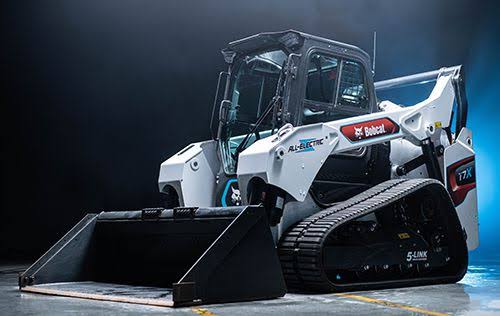
How to Choose a Reliable Electric Skid Steer Loaders Supplier for Your Business
Choosing the right supplier is an important step when investing in electric construction equipment. A reliable supplier can help businesses identify suitable machinery, understand technical specifications, arrange delivery, and access after-sales support. The quality of the supplier relationship can also influence maintenance planning, equipment availability, and long-term operating costs.
When evaluating an Electric Skid Steer Loaders Supplier, buyers should look beyond the initial quotation. Product quality, battery performance, technical expertise, warranty coverage, spare-parts availability, and communication all deserve careful consideration. A structured evaluation process can help businesses select equipment that matches their workload and operational goals.
1. Understand Your Business Requirements
Before contacting suppliers, identify what your business expects from an electric skid steer loader. Clear requirements make it easier to compare models and determine whether a supplier can provide an appropriate solution.
Consider the following questions:
- What materials will the machine handle?
- How much lifting capacity is required?
- Will the loader operate indoors, outdoors, or in both environments?
- How many hours will it typically work each day?
- Which attachments will be needed?
- Is charging available at the worksite?
- What budget is available for purchasing and maintaining the equipment?
For example, a construction contractor moving heavy materials may prioritize rated operating capacity and hydraulic performance. A warehouse operator may focus more on maneuverability, dimensions, and local exhaust emissions.
A clear list of requirements helps prevent buying equipment that is either unsuitable for the workload or more expensive than necessary.
2. Evaluate the Supplier’s Product Range
A dependable supplier should provide sufficient information about the models it offers. This allows buyers to compare specifications and determine which machine best fits their applications.
Review the available product range and look for clear details about:
- Rated operating capacity and lifting height.
- Overall dimensions and operating weight.
- Battery capacity and expected runtime.
- Charging requirements and charging time.
- Motor and hydraulic specifications.
- Compatible attachments.
- Safety features and operating limitations.
Do not assume that every model is appropriate for every task. A compact machine may be ideal for restricted spaces but lack the capacity needed for heavier materials.
Ask the supplier to explain how its recommended model meets your actual requirements. Specific answers supported by technical documentation are more useful than general claims about performance.
3. Check Product Quality and Manufacturing Standards
Product quality affects equipment reliability, maintenance needs, and service life. Buyers should investigate how the machinery is designed, assembled, tested, and inspected before delivery.
Ask whether the supplier can provide technical documentation, inspection records, applicable certifications, and details about quality-control procedures. If the supplier represents a manufacturer, clarify whether it can provide information directly from the manufacturing organization.
Important areas to evaluate include:
- Frame and lifting-arm construction.
- Battery protection and electrical-system design.
- Hydraulic component quality.
- Attachment mounting points.
- Control systems and operator protection.
- Corrosion resistance and protection against environmental exposure.
Where possible, request a machine demonstration or inspection before purchasing. A physical assessment can help reveal details about build quality, control responsiveness, visibility, and general usability.
Certifications should be checked against the relevant market and product requirements. Avoid relying on unsupported statements that a machine meets every international standard.
4. Assess Battery Performance and Charging Support
Battery performance is a major consideration when purchasing electric skid steer loaders. The supplier should be able to explain how battery specifications relate to expected operating conditions.
Request information about battery capacity, chemistry, charging power, estimated runtime, and warranty terms. Ask whether the stated runtime reflects light-duty operation, continuous work, or a specific test procedure.
Charging support is equally important. Confirm which charger is supplied, what electrical infrastructure is required, and how long charging is expected to take under normal conditions.
A reliable supplier should also explain recommended charging practices, temperature limitations, battery storage procedures, and the steps to follow if the machine displays a battery warning.
These details help businesses plan daily shifts and determine whether their existing facilities can support the equipment.
5. Compare Prices and Total Ownership Costs
Price is an important purchasing factor, but the lowest quotation does not always offer the best long-term value. Buyers should compare the complete cost of acquiring and operating each machine.
| Cost factor | What to verify |
|---|---|
| Purchase price | Whether the quotation includes the machine and standard equipment |
| Battery and charger | Whether both are included and what warranty applies |
| Attachments | Cost of required tools and compatible accessories |
| Delivery | Shipping, handling, and delivery charges |
| Installation | Any charging infrastructure or electrical work required |
| Maintenance | Routine servicing and replacement-part costs |
| Warranty | Coverage, exclusions, and claim procedures |
| After-sales support | Availability and cost of technical assistance |
Electric equipment may reduce certain fuel and engine-maintenance expenses, but actual savings depend on electricity rates, operating hours, purchase price, and battery-related costs.
Request a written quotation with clearly defined inclusions and exclusions. When comparing suppliers, ensure that the specifications and equipment packages are equivalent.
6. Review Warranty Coverage Carefully
Warranty terms can provide important information about the supplier’s support arrangements. However, coverage varies by manufacturer, component, and market.
Before purchasing, request the full warranty documentation and check the following:
- Warranty period for the machine.
- Separate coverage for the battery and charger.
- Coverage for motors, controllers, and hydraulic components.
- Exclusions related to misuse or improper maintenance.
- Requirements for scheduled servicing.
- Procedures for submitting a claim.
- Responsibility for transportation and labor costs.
Ask how faults are diagnosed and what happens if a major component fails during the warranty period. It is also useful to confirm whether warranty service can be arranged locally or requires returning components to another location.
Clear warranty terms help businesses estimate financial risk and understand their responsibilities after delivery.
7. Investigate Spare-Parts Availability
Access to replacement parts can have a direct impact on equipment uptime. Even a reliable machine may need new hoses, connectors, filters, tires, track components, or other wear items during its service life.
Ask the supplier which parts are normally stocked and which must be ordered. Find out about estimated lead times, ordering procedures, and the availability of replacement batteries or specialized electrical components.
For businesses that rely heavily on their loaders, delayed parts can interrupt work and increase operating costs. A supplier with an organized parts-support process may help reduce these risks.
Before placing an order, consider preparing a list of likely replacement items based on the machine’s maintenance schedule and expected operating conditions.
8. Evaluate Technical Expertise and Customer Support
Technical support becomes especially important when a business adopts electric machinery for the first time. Operators and maintenance staff may need guidance on charging, troubleshooting, battery care, and attachment compatibility.
A capable supplier should be able to explain the equipment’s specifications and operating limitations in clear terms. It should also provide access to appropriate documentation, maintenance instructions, and technical assistance.
Evaluate the supplier’s ability to answer questions about:
- Battery and charging-system operation.
- Machine warning indicators.
- Routine maintenance requirements.
- Hydraulic and attachment compatibility.
- Safe operating procedures.
- Service arrangements and troubleshooting.
Pay attention to how the supplier responds during the buying process. Clear communication, realistic technical explanations, and timely answers can provide useful indications of the support experience you may receive later.
9. Check Delivery Times and Logistics
Delivery arrangements can influence project schedules and equipment availability. Before confirming an order, request a realistic delivery estimate and clarify how the machine will be transported.
If the equipment is being imported, confirm the responsibilities for shipping, customs documentation, duties, taxes, insurance, and final delivery. The exact arrangements depend on the agreed delivery terms and the destination country.
Ask whether the supplier will provide the operating manual, maintenance documentation, charger, and any agreed accessories with the machine.
For urgent projects, make sure the expected delivery date is realistic and that the equipment will arrive with the required components. Written confirmation helps reduce misunderstandings and makes planning easier.
10. Look for Relevant Industry Experience
A supplier with experience in your industry may better understand the challenges associated with your work environment. Construction companies, warehouses, farms, and landscaping businesses often have different priorities.
For example, a contractor may need guidance on lifting capacity, attachment selection, and jobsite durability. A warehouse operator may be more concerned with compact dimensions, indoor use, and charging arrangements.
Ask whether the supplier has experience serving businesses with similar applications. Where available, request references, documented case studies, or customer feedback that relates to comparable equipment and workloads.
Evaluate such information carefully. A supplier’s experience can be useful, but claims about reliability and performance should be supported by credible evidence.
11. Confirm Attachment Compatibility and Customization Options
A skid steer loader becomes more versatile when it supports the attachments required for different tasks. However, attachment compatibility should never be assumed.
Ask the supplier to confirm the mounting system, hydraulic flow, operating pressure, attachment weight limits, and any electrical requirements. These specifications determine whether a tool can operate correctly with the selected machine.
Some businesses may also require particular configurations, safety features, or accessories. If customization is available, request written details about the changes, their effect on performance, additional costs, and delivery timelines.
A supplier should explain both the available options and any limitations. This helps ensure that the final machine can perform the tasks for which it is being purchased.
12. Identify Warning Signs When Choosing a Supplier
A careful review can help buyers avoid suppliers that may create unnecessary purchasing or maintenance risks.
Watch for these warning signs:
- Incomplete technical specifications: Essential details about capacity, battery performance, or charging requirements are missing.
- Unclear warranty terms: Coverage and claim procedures are not provided in writing.
- Unrealistic performance promises: Runtime or lifting claims are presented without explaining test conditions.
- Poor communication: Questions receive vague or inconsistent answers.
- Uncertain parts availability: The supplier cannot explain how replacement components will be obtained.
- Unclear pricing: Delivery, charging equipment, attachments, or other costs are omitted from the quotation.
- Unsupported certifications: Compliance claims cannot be verified through relevant documentation.
One warning sign does not necessarily prove that a supplier is unreliable, but it should prompt further investigation before a purchase is finalized.
13. Use a Supplier Evaluation Checklist
A simple scoring process can make supplier comparisons more consistent. Assess each supplier using the same criteria rather than relying on general impressions.
| Evaluation criterion | Questions to ask |
|---|---|
| Product suitability | Does the machine meet the required capacity and dimensions? |
| Battery performance | Are runtime and charging specifications clearly documented? |
| Product quality | Is relevant technical and quality documentation available? |
| Pricing | Is the quotation complete and transparent? |
| Warranty | Are coverage terms and claim procedures clear? |
| Spare parts | Can essential components be obtained within reasonable timeframes? |
| Technical support | Is qualified assistance available when needed? |
| Delivery | Are timelines and shipping responsibilities confirmed? |
| Customer experience | Are relevant references or credible reviews available? |
You can assign a score to each criterion based on its importance to your business. Give greater weight to factors that could cause significant downtime or safety problems, such as product suitability, battery performance, and service support.
The best supplier is the one that meets your essential requirements and offers a credible long-term support arrangement, not necessarily the one with the lowest initial price.
Conclusion
Choosing a reliable electric skid steer loaders supplier requires careful consideration of product quality, battery performance, technical expertise, warranty coverage, spare-parts availability, and total ownership costs. These factors influence not only the initial purchasing decision but also the machine’s long-term usefulness and reliability.
Start by identifying your operational requirements, then compare suppliers using consistent technical and commercial criteria. Request written specifications, verify warranty terms, and clarify delivery and after-sales arrangements before committing to a purchase.
A well-informed supplier selection process helps businesses invest in suitable equipment, manage operating risks, and maintain productive operations over the equipment’s working life.





Post Comment